
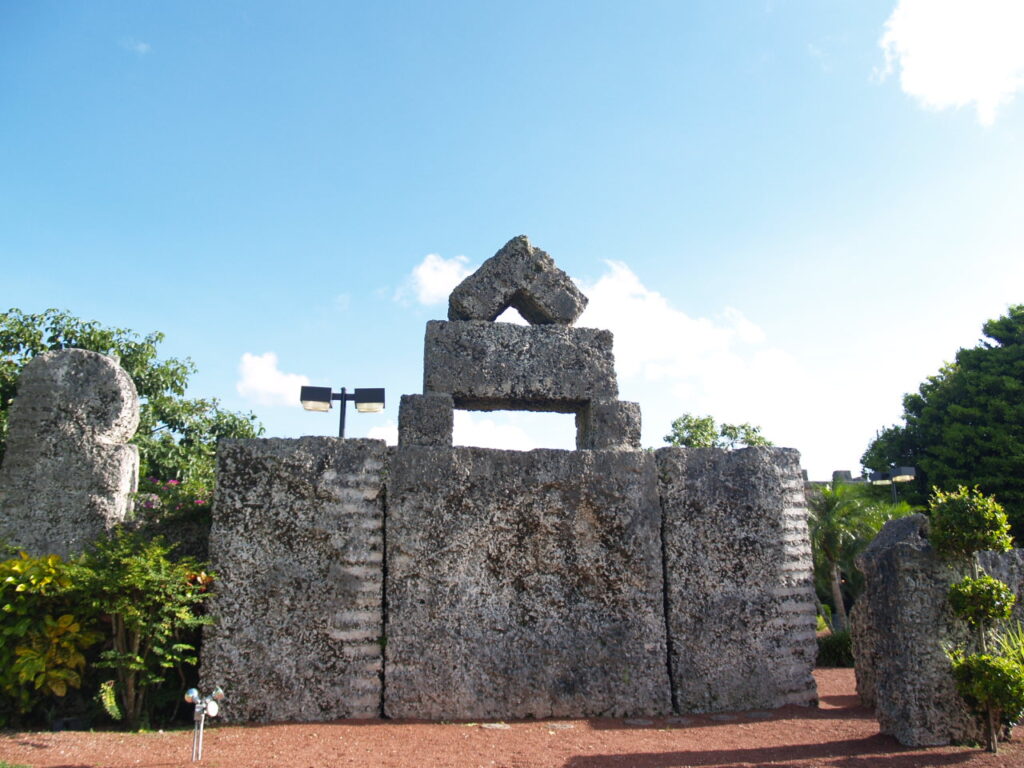
In the early 20th century, a slight man with a fourth-grade education achieved the impossible in Southern Florida. Edward Leedskalnin mined, sculpted, and moved over 1,100 short tons (1,000 metric tonnes) of dense oolite limestone without the aid of modern machinery.
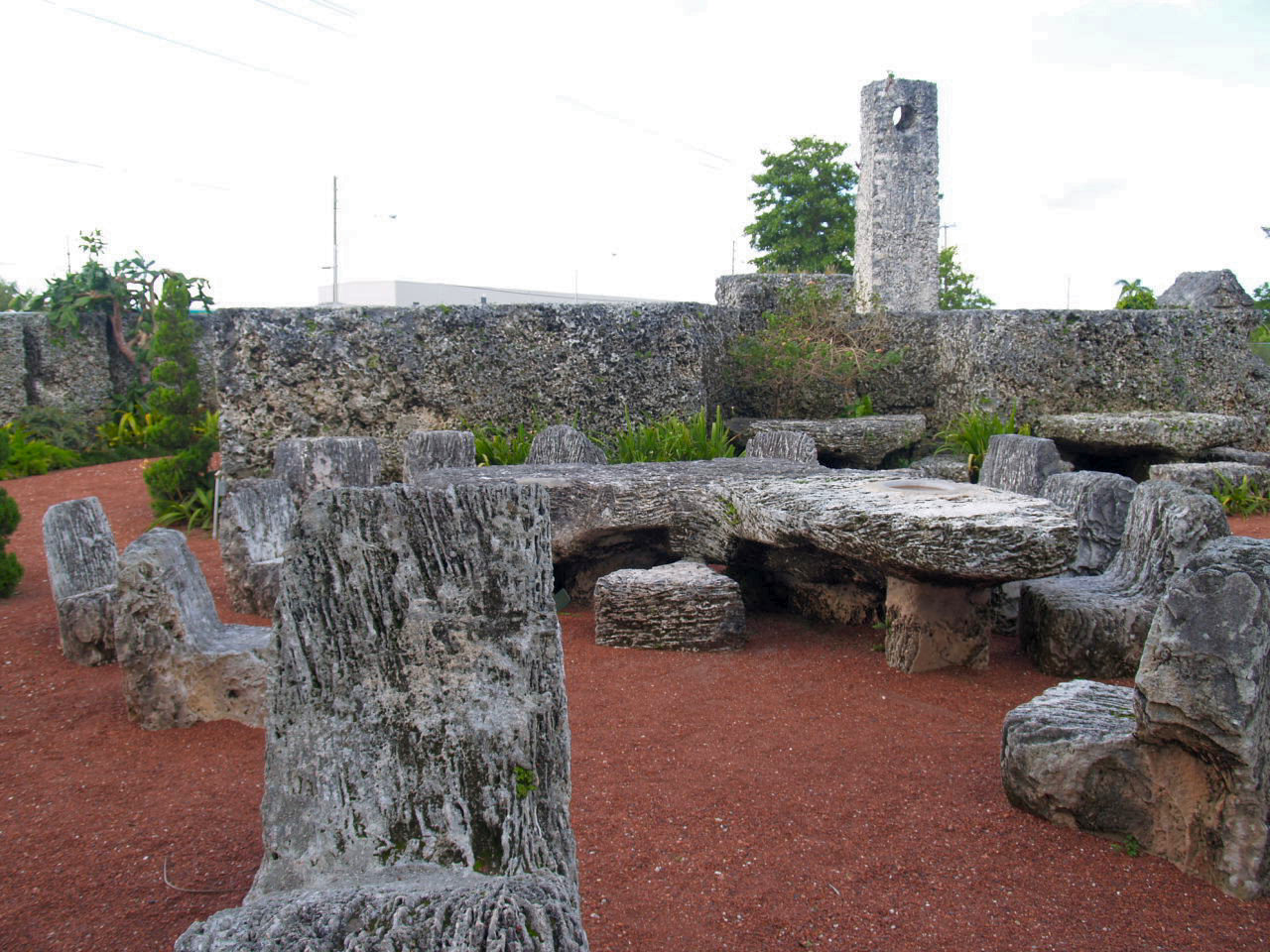
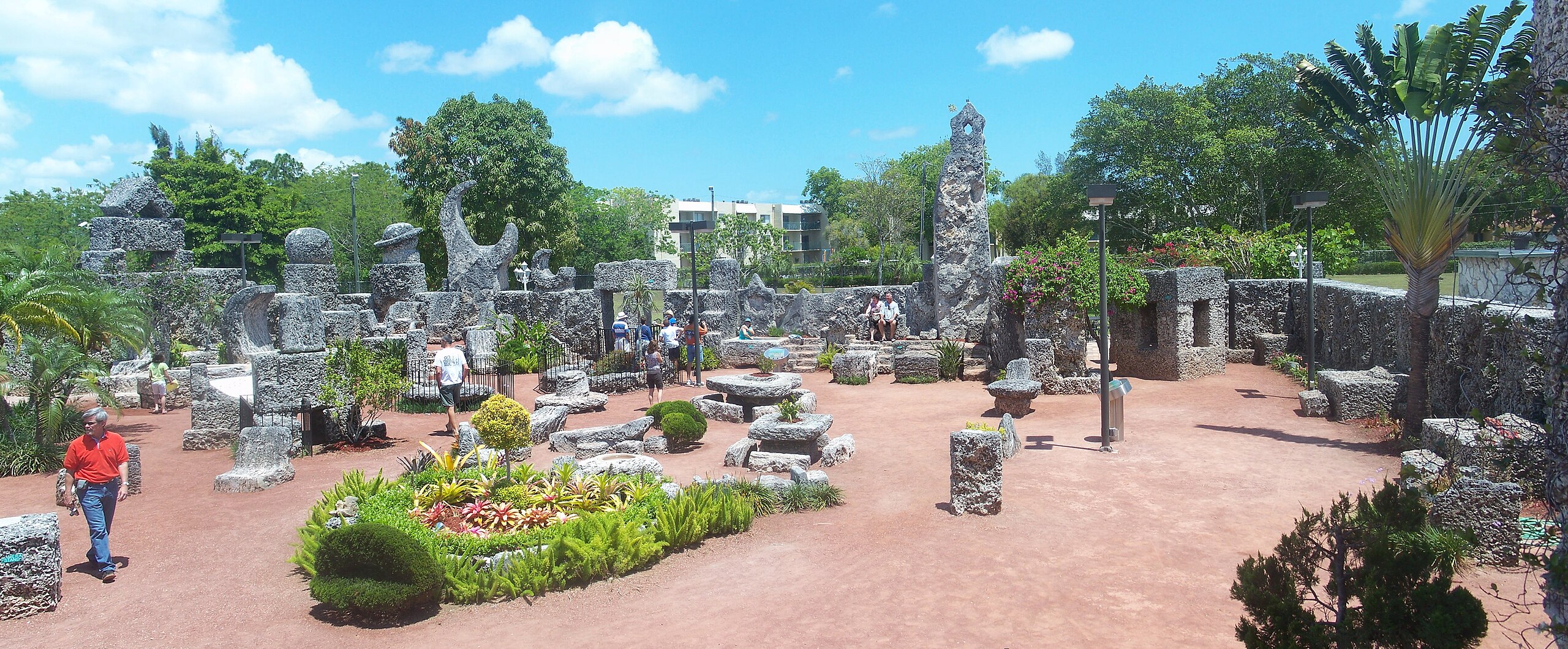
This architectural marvel, known today as the Coral Castle, invites visitors to question how one person could manipulate such massive weight in total secrecy. The site contains accurate sundials, heavy furniture, and massive walls that have stood firm for decades without mortar.
A Broken Heart in Latvia
The origins of this engineering feat trace back to a cancelled wedding in Latvia. At the age of 26, Leedskalnin was engaged to 16-year-old Agnes Skuvst. Just one day before the ceremony, she called off the wedding. She told him he was too old and poor for her.
Leedskalnin left his home country devastated. He eventually arrived in Florida City around 1923. He began to carve a massive structure out of the local bedrock. He dedicated his work to the memory of his “Sweet Sixteen”. He never married and spent the rest of his life working on his creation alone.
Construction by Night
Leedskalnin worked under the cover of darkness to ensure no one witnessed his methods. He stood only 5 feet (1.5 meters) tall and weighed roughly 100 pounds (45 kilograms). Yet he cut and moved blocks of stone weighing up to 30 short tons (27 metric tonnes). He used only simple tools like tripods, pulleys, and winches made from old telephone poles.
He did not use mortar to hold the walls together. instead, he relied on the weight of the stones themselves. The craftsmanship was so precise that no light could pass through the joints. When curious neighbors asked how he managed such heavy loads, he simply claimed he understood the laws of weight and leverage. He famously stated he had discovered the secrets of the pyramids.
The Great Stone Migration
In 1936, Leedskalnin learned that a new subdivision might threaten his privacy in Florida City. He decided to move his entire structure 10 miles (16 kilometers) north to Homestead, Florida. He spent three years transporting the carved stones one by one. He hired a truck with a driver for the transport.
However, he insisted the driver look away while he used his manual tools to lift the massive rocks onto the truck bed. Once he reassembled the structure at the new location, he named it “Rock Gate”. He continued to expand the site until his death.
The Impossible Gate
The most famous feature of the castle is a 9-short-ton (8.2 metric tonnes) revolving gate. Leedskalnin carved the gate so perfectly that it fit within a quarter of an inch (6 millimeters) of the walls. He balanced the massive rock on a single old truck bearing.
The balance was so precise that a small child could push the 9-ton gate open with a single finger. The gate revolved effortlessly for decades. It only stopped working in 1986 when the metal bearing finally rusted. Engineers required a 50-short-ton (45 metric tonnes) crane and a crew of men to remove and repair the gate that Leedskalnin had installed alone.
In December 1951, Leedskalnin placed a sign on the front gate that read “Going to the Hospital”. He took a bus to Miami and died twenty-eight days later from a kidney infection. He took the secret of his engineering methods to the grave.