
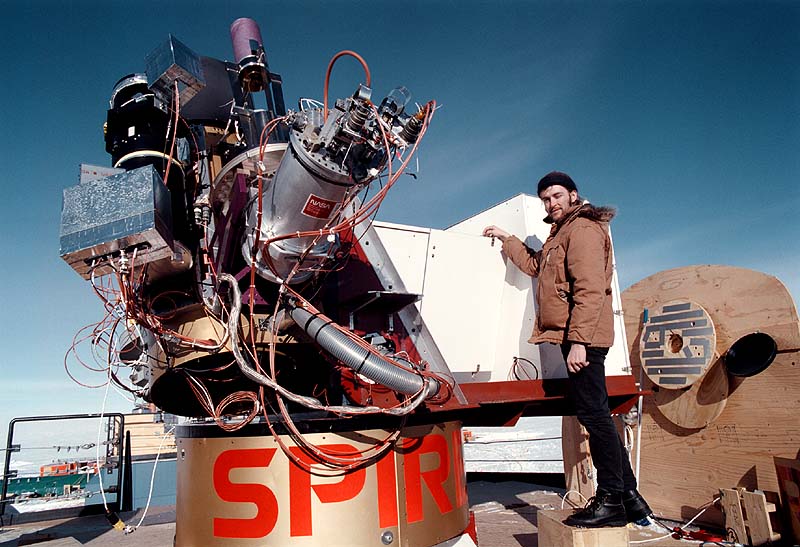
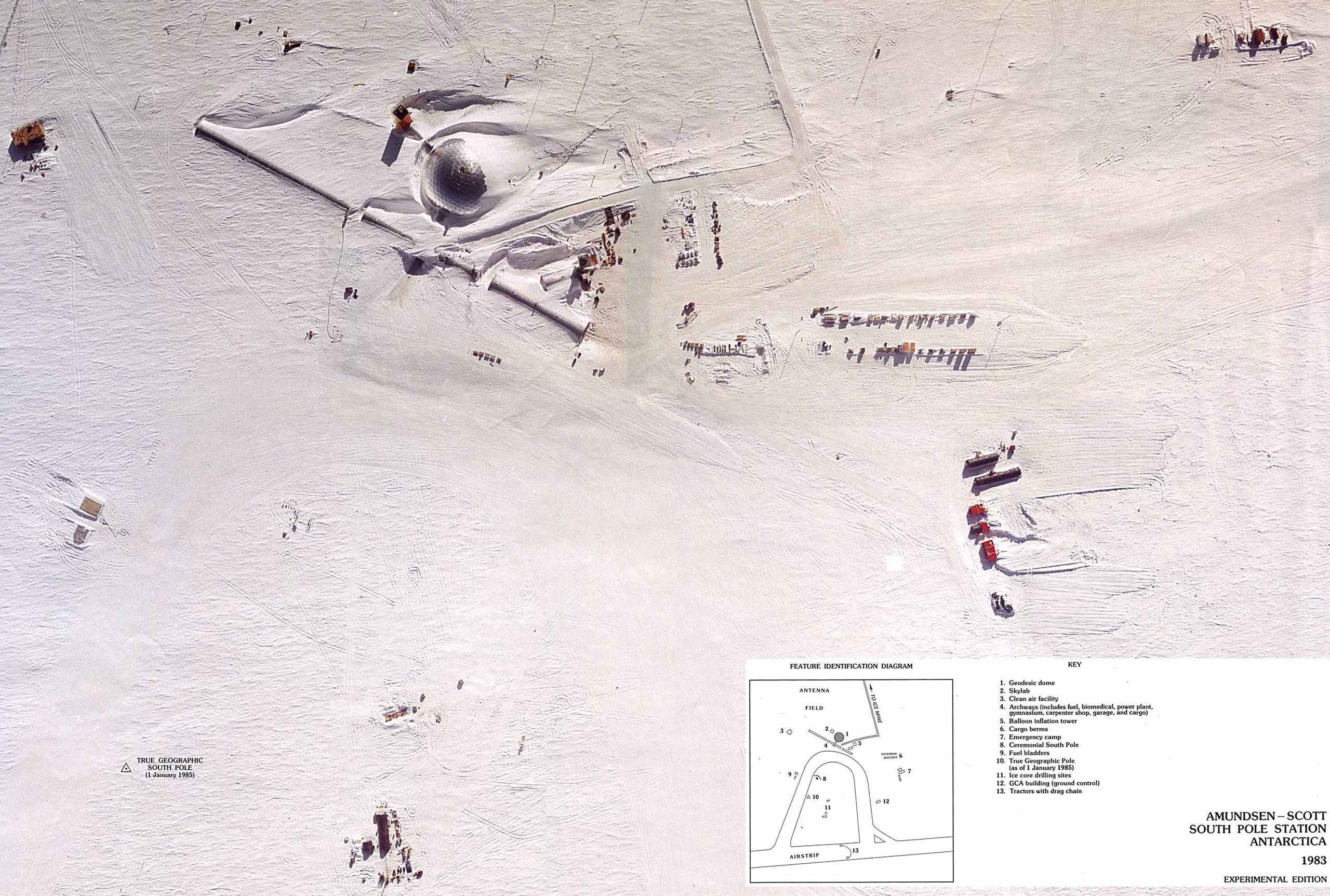
In the desolate expanse of the Antarctic, the Amundsen-Scott South Pole Station sits isolated from the rest of the world for months at a time. During the winter of 2000, 32-year-old Australian astrophysicist Rodney Marks was among the small crew of 49 people stationed there to conduct research.
He was young, healthy, and working on the Antarctic Submillimeter Telescope and Remote Observatory. However, on a dark day in May, he suddenly collapsed. Within 24 hours, he was dead. The events surrounding his demise remain one of the most baffling mysteries in modern polar history.
A Sudden and Agonizing End
On May 11, 2000, Marks began to feel unwell while walking between the remote observatory and the main base. He visited the station’s doctor, Robert Thompson, three times over the course of the day. Initially, he complained of nausea and stomach pains, but his condition deteriorated with alarming speed.
He began vomiting blood and reported that his eyes were hurting, forcing him to wear sunglasses inside the dark station. Despite the doctor’s attempts to stabilize him with antipsychotics and saline, Marks suffered a cardiac arrest. He died on May 12, leaving the crew trapped in the frozen isolation of the polar winter with a corpse and absolutely no explanation for what had killed him.
Frozen Evidence and a Shocking Discovery
Because aircraft cannot land at the South Pole during the winter due to extreme cold and total darkness, Marks’ body had to be stored in the station’s freezer for nearly six months. It was not until late October, when the weather warmed sufficiently for a flight, that his remains were flown to Christchurch, New Zealand, for an official autopsy.
The findings shocked investigators and the scientific community. The pathologist discovered 150 milliliters of methanol in his system. This toxic alcohol, commonly found in cleaning supplies and paint thinner, had caused lethal poisoning.
Accident, Suicide, or Foul Play?
New Zealand police launched an investigation led by Detective Senior Sergeant Grant Wormald. The inquiry quickly ruled out recreational drinking errors, as Marks was a knowledgeable drinker who understood the dangers of methanol. There was no evidence of a suicide attempt; he had left no note, and friends and colleagues described him as happy and engaged to be married.
The autopsy revealed no needle marks, confirming he had ingested the poison orally. However, the cleaning solvent containing methanol was stored in a separate building from where Marks worked, and there was no clear reason for him to access it.
An Open Case in the Frozen Wastes
The investigation faced significant hurdles due to jurisdiction issues and the time elapsed since the death. The coroner’s inquest in 2008 concluded without a definitive answer. The coroner stated it was impossible to determine if the poisoning was accidental or intentional.
He noted that the possibility of foul play could not be ruled out, suggesting Marks might have been unknowingly administered the poison. To this day, exactly how a lethal dose of methanol entered his body remains unknown, and the case stands as an unsolved event at the bottom of the world.