
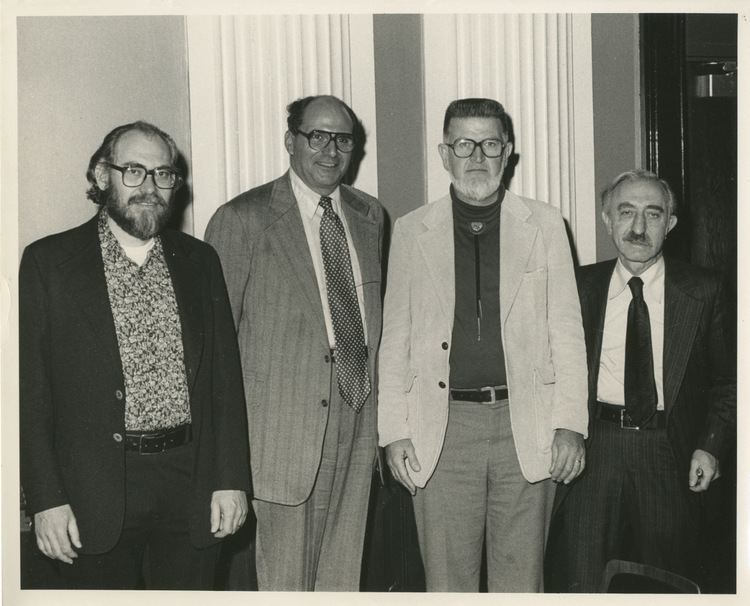
In July 1959, the halls of Michigan’s Ypsilanti State Hospital became the stage for one of the most bizarre experiments in psychiatric history. Psychologist Milton Rokeach arranged for three men, each diagnosed with paranoid schizophrenia and each claiming to be Jesus Christ, to live together on the same ward.
The premise was simple yet radical: Rokeach believed that confronting these men with others sharing their identical delusion would force a psychological crisis, shattering their false beliefs and returning them to reality. What followed was a two-year saga of conflict, manipulation, and unexpected camaraderie.
The Divine Confrontation
The three subjects were Clyde Benson, a 70-year-old farmer; Joseph Cassel, a 58-year-old writer; and Leon Gabor, a 38-year-old college dropout. Rokeach assigned them adjacent beds, shared dining tables, and identical jobs in the hospital laundry. The initial meetings erupted in chaos. When Leon introduced himself as “Dr. Domino Dominorum et Rex Rexarum Simplis Christianus Peuris Mentalis Doktor”—and Jesus of Nazareth—Joseph and Clyde immediately protested.
The men engaged in heated shouting matches, each declaring the others to be impostors. “I’m telling you I’m God!” one would scream, only to be met with, “You’re not! I’m God, Jesus Christ, and the Holy Ghost!” These arguments frequently escalated to physical altercations, as their absolute certainties crashed against one another. To maintain their own identities, they rationalized the existence of the others; one claimed the other two were “machines” operated by external forces, while another dismissed his rivals as simply “crazy.”
The Puppeteer’s Strings
As the men failed to abandon their delusions, Rokeach turned to more intrusive methods. He fabricated letters to manipulate their emotions and beliefs. For Leon, Rokeach forged messages from a fictional wife named “Madame Yeti Woman,” attempting to guide Leon’s behavior through romance. He even hired a female research assistant to flirt with Leon, hoping sexual desire would ground him in reality.
These tactics caused distress but failed to break the delusions. Leon eventually realized the flirtation was a ruse and withdrew further, stating, “Truth is my friend, I have no other friends.” Instead of curing the patients, the pressure seemingly forced them to adapt their delusions rather than discard them.
An Unexpected Truce
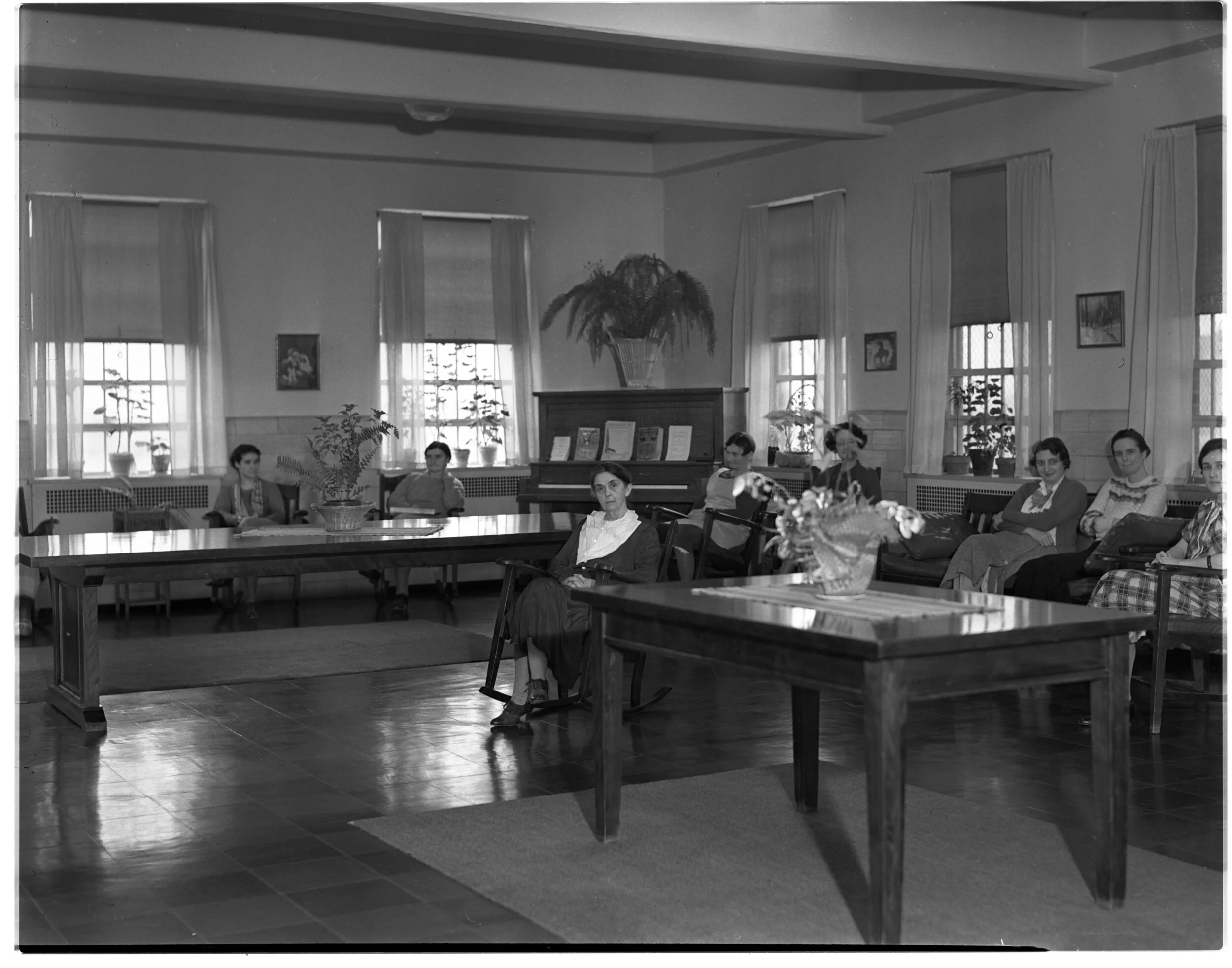
Over time, the constant friction gave way to a strange peace. The three men ceased arguing about their divinity and began to discuss mundane topics like food and the weather. They formed a protective unit against the other patients and hospital staff. Rather than confronting their shared identity, they simply agreed to ignore the topic entirely. They preferred friendship over theological warfare.
The Psychologist’s confession
By 1961, the experiment concluded with none of the men cured. Leon had merely changed his name to “Dr. Righteous Idealized Dung.” In a later edition of his book on the study, Rokeach offered a stark admission. He wrote that while he failed to cure the three Christs, they succeeded in curing him of his own “godlike delusion” that he could manipulate their lives. He acknowledged that he had no right to interfere with their daily existence in such a total manner, marking the end of the study not with a medical breakthrough, but with an ethical realization.
Hello, I am currently researching Milton Rokeach and The Three Christs of Ypsilanti for an artistic research project. I came across the wonderful historical photograph used at the top of this article. Could you possibly tell me where the image comes from – archive, photographer, publication, or original source? I would be very grateful for any information, as I would like to clarify the rights for possible use in a research project.
Many thanks,
Fabian Kuehlein
Hi, the origin of the picture is unknown. At least I couldn’t find any information about it.