
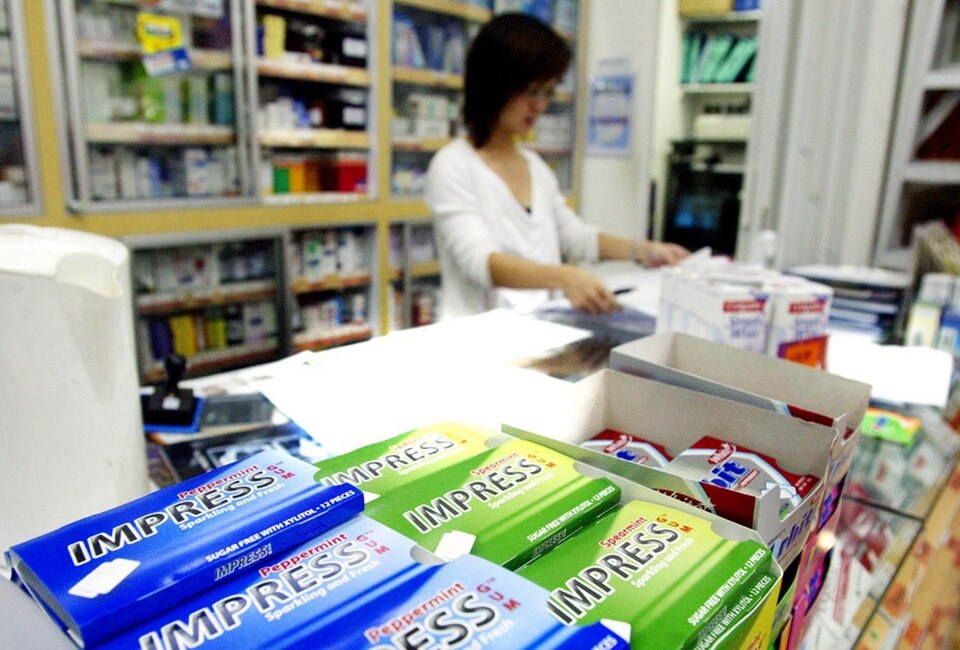
In 1992, the government of Singapore enacted one of the most famous and highly specific regulations in modern history by outlawing the sale and importation of chewing gum. What started as a severe maintenance issue for public housing eventually threatened a massive transportation project, leading authorities to take drastic action.
The strict regulation halted the gum trade overnight, confiscated store inventory, and created heavy fines for smugglers. The complete history of the Singapore chewing gum ban reveals a fascinating chain of events regarding public infrastructure and international trade agreements.
A Sticky Threat to Public Housing
In the 1980s, the Housing and Development Board in Singapore faced constant maintenance problems caused by improperly discarded chewing gum. Vandals frequently jammed chewed gum into the mailboxes, keyholes, and elevator buttons of high-rise apartment buildings.
The discarded sticky substance damaged cleaning equipment and drastically increased the monetary costs of maintaining public walkways and staircases. In 1983, the Minister for National Development, Teh Cheang Wan, approached Prime Minister Lee Kuan Yew with a proposal to outlaw chewing gum completely. Initially, Lee Kuan Yew refused the proposal, stating that a complete ban would be too drastic.
The Five Billion Dollar Train Problem
The situation escalated in 1987 with the launch of the Mass Rapid Transit system. This local railway network cost 5 billion dollars and represented the largest public project ever constructed in Singapore at the time. Shortly after the trains began operating, vandals started sticking used chewing gum directly onto the train door sensors.
The obstructed sensors prevented the doors from closing properly, causing severe disruptions to the train schedules. In January 1992, newly appointed Prime Minister Goh Chok Tong officially enacted the ban on chewing gum distribution.
Strict Penalties and Immediate Enforcement
The government immediately halted the importation of all chewing gum. After a short transition period allowing local shops to clear their existing inventory, the sale of gum became entirely illegal. The authorities confiscated extant stocks of the product.
The statute imposed heavy penalties, including fines of up to 2,000 Singapore dollars for anyone caught selling the product, along with potential jail terms for illegal importers. While some citizens traveled to neighboring Johor Bahru, Malaysia, located roughly 1 kilometer (0.62 miles) across the Causeway to buy gum, the government publicly named and shamed smugglers.

International Trade and Medical Exceptions
A major revision occurred in 2004 due to the United States-Singapore Free Trade Agreement. The Wm. Wrigley Jr. Company utilized a Washington lobbyist to place chewing gum on the negotiation agenda. Ultimately, the Singapore government recognized the health benefits of specific sugar-free gums containing calcium lactate.
They amended the law to permit the sale of therapeutic, dental, and nicotine gums. However, consumers can only purchase these specific products from a registered pharmacist or doctor, who must record the names of the buyers.