
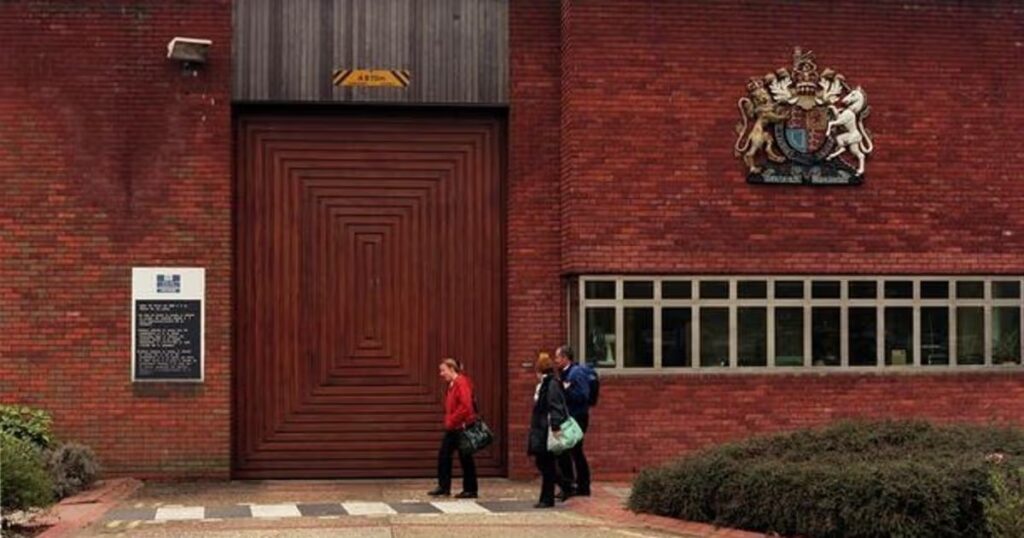
A television broadcast lasting only a few seconds forced a massive government facility to execute a complete security overhaul overnight. In July 2006, a major news network aired a brief video clip that cost British taxpayers hundreds of thousands of pounds.
By broadcasting a clear image of a small piece of metal, a camera crew compromised the entire infrastructure of the Feltham young offenders’ institution, located roughly 21 kilometers (13.0 miles) from central London. The resulting security protocol triggered an urgent and rapid response to replace thousands of vital hardware pieces before anyone could exploit the broadcast.
A Media Visit Becomes a Security Breach
Events started when officials invited broadcast and print journalists to the jail. This media visit occurred shortly before the official release of a public inquiry report regarding the 2000 murder of inmate Zahid Mubarek, who was beaten in his cell.
Before entering, prison officials warned reporters and camera operators about strict security protocols. The rules clearly state media companies are held financially liable if they broadcast images showing keys or locks. Despite these explicit warnings, ITV News broadcast footage of a bunch of keys used inside the jail during their report.
The Massive Lock Replacement Operation
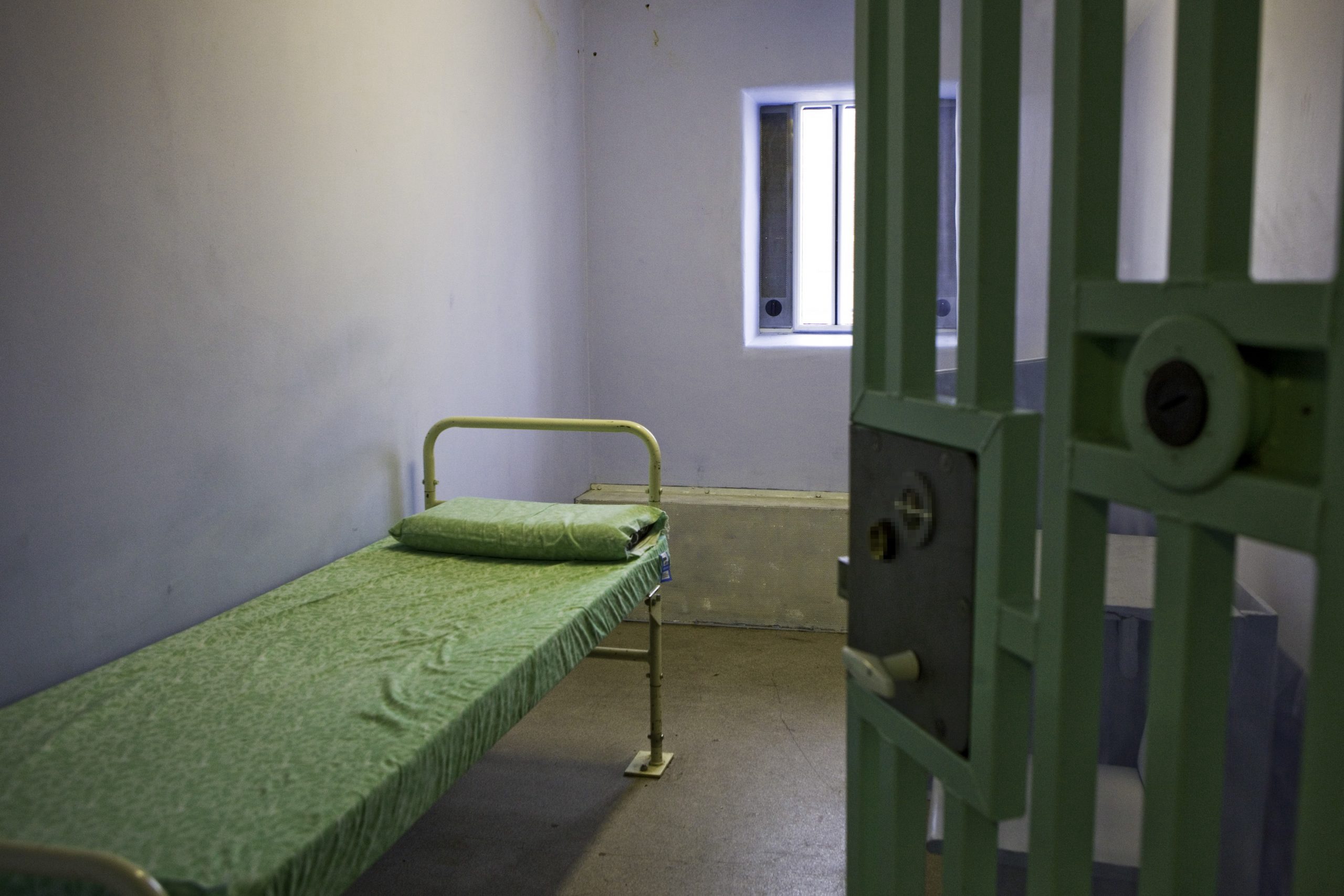
Once the key appeared on television, the facility was completely compromised. Broadcasting such images creates a high risk that individuals could copy the exact cut of the specific keys. Feltham governor Andrew Cross confirmed the establishment immediately initiated a complete re-lock process.
This massive operation required security staff to replace exactly 11,000 individual locks and 3,200 keys throughout the complex. The Home Office confirmed the physical changes occurred on a Friday morning, with the total replacement cost to the taxpayer estimated at £250,000.
The Threat of Replicating Hardware
Replicating a high-security key from television footage is difficult but entirely possible. Simon Teagle, a spokesman for lock manufacturer Chubb Custodial, explained that copying the items depends heavily on a viewer’s knowledge of specific lock mechanisms.
While he noted it is not impossible to duplicate the precise cuts, it presents a significant and very real threat. Governor Cross maintained there was no immediate risk to the young prisoners held at the facility while staff worked hard to secure the premises safely.
A Second Facility Faces the Same Problem
Feltham was not the only facility facing this precise issue that week. Another unnamed jail in England and Wales underwent its own complete re-lock procedure. This incident happened after a visitor left prison keys unattended on a table inside a staff canteen operated entirely by inmates.
The visitor, a member of the independent monitoring board, subsequently resigned from his position. Mark Leech, editor of the Prisons Handbook, estimated that securing both of these prisons would cost British taxpayers around half a million pounds.