
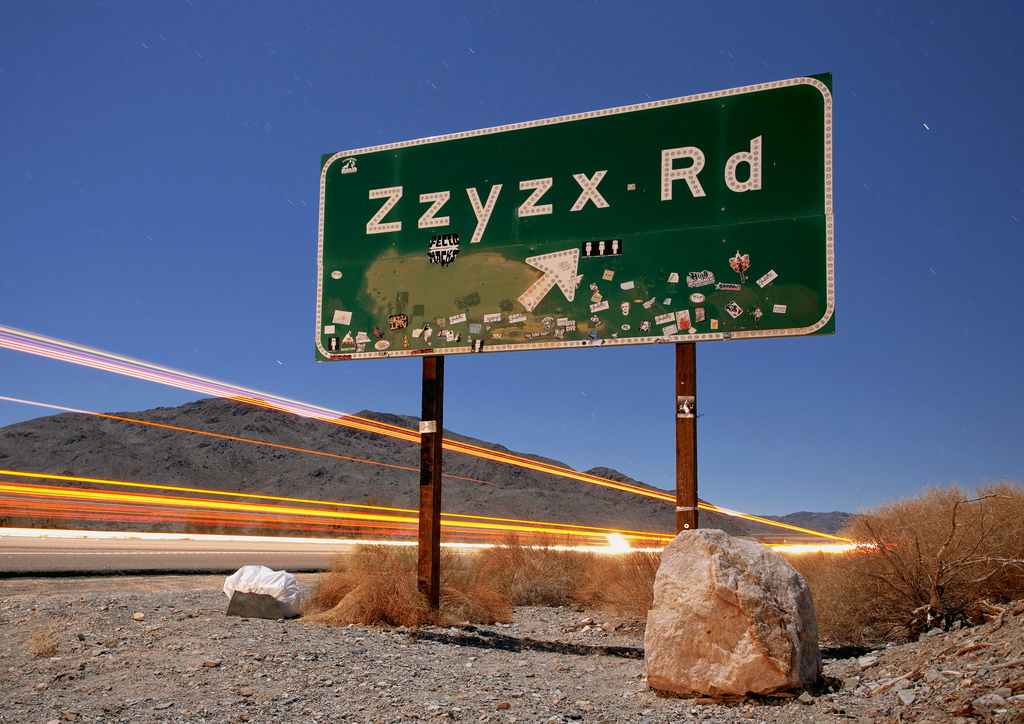
Deep in the California Mojave Desert, a dusty exit off Interstate 15 points travelers down a dead-end path called Zzyzx Road. At the end of this stretch lies an abandoned settlement with a history stranger than its unpronounceable name. In 1944, a radio personality filed a mining claim on federal land, took over a water source, and built a desert health spa to sell unproven medical cures.
For three decades, the town operated as a lucrative destination built on squatting, fabricated degrees, and hidden water heaters. This is the true story of how Zzyzx originated, how the government seized the property, and what exactly occupies the site today.
The Mastermind Behind Zzyzx Road
The town was the creation of Curtis Howe Springer, born in 1896 in Birmingham, Alabama. During the 1930s, Springer broadcasted on radio stations in Chicago and Pittsburgh, promoting tonics to his listeners. He claimed to hold an MD, a Ph.D., and an ND.
Investigations later revealed his credentials were tied to unaccredited institutions, including the self-named “Springer School of Humanism.” The American Medical Association formally denounced his practices in 1936, later labeling him the “King of Quacks.” Undeterred, Springer headed west to launch his most ambitious enterprise.
Building a Fake Hot Spring Oasis
In 1944, Springer filed a mining claim covering over 12,000 acres around Soda Springs. He named his settlement Zzyzx, deliberately choosing the spelling so it would be the absolute last word in the English dictionary. Instead of mining, Springer constructed the Zzyzx Mineral Springs and Health Spa.
He built a hotel and dispatched buses to Los Angeles to transport tourists. He claimed the location featured a natural hot spring, but he had actually installed underground boilers to heat the desert water. Guests arrived in droves to purchase his 27 different bottled cures.
The Bureau of Land Management Eviction
The profitable spa operated until the 1970s. On April 11, 1974, the United States government intervened. The Bureau of Land Management determined that Springer never owned the property. His original mining claim did not grant him the right to develop a commercial resort.
After living on federal property for 30 years without doing any actual mining, Springer was given just 36 hours to evacuate. Despite writing newspaper editorials to fight the decision, Springer never regained access to the land.
Zzyzx Mineral Springs Today
Following the 1974 eviction, the government initially prepared bulldozers to demolish the abandoned buildings. However, in 1976, the Bureau of Land Management reached an agreement with California State University. They transformed the former medical resort into the Desert Studies Center.
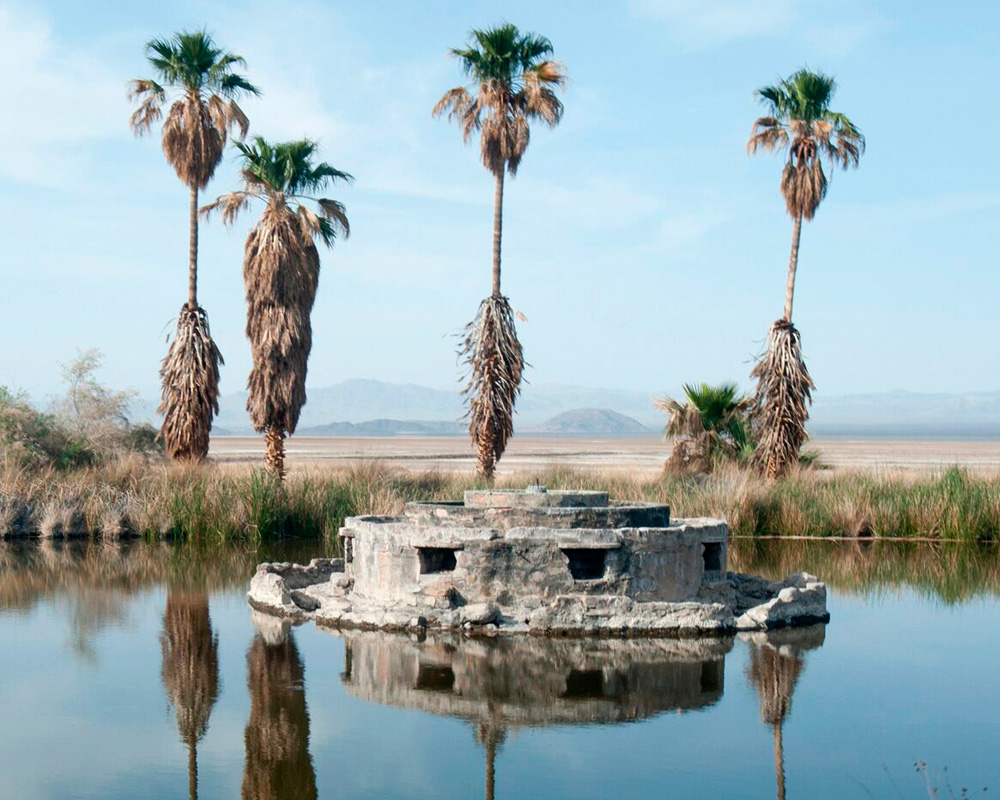
Today, scientists use the surviving structures to study Mojave Desert ecology. The site’s Lake Tuendae now serves as a habitat for an endangered fish called the Mohave tui chub, while fading signs advertising Springer’s mineral baths remain standing in the sun.