
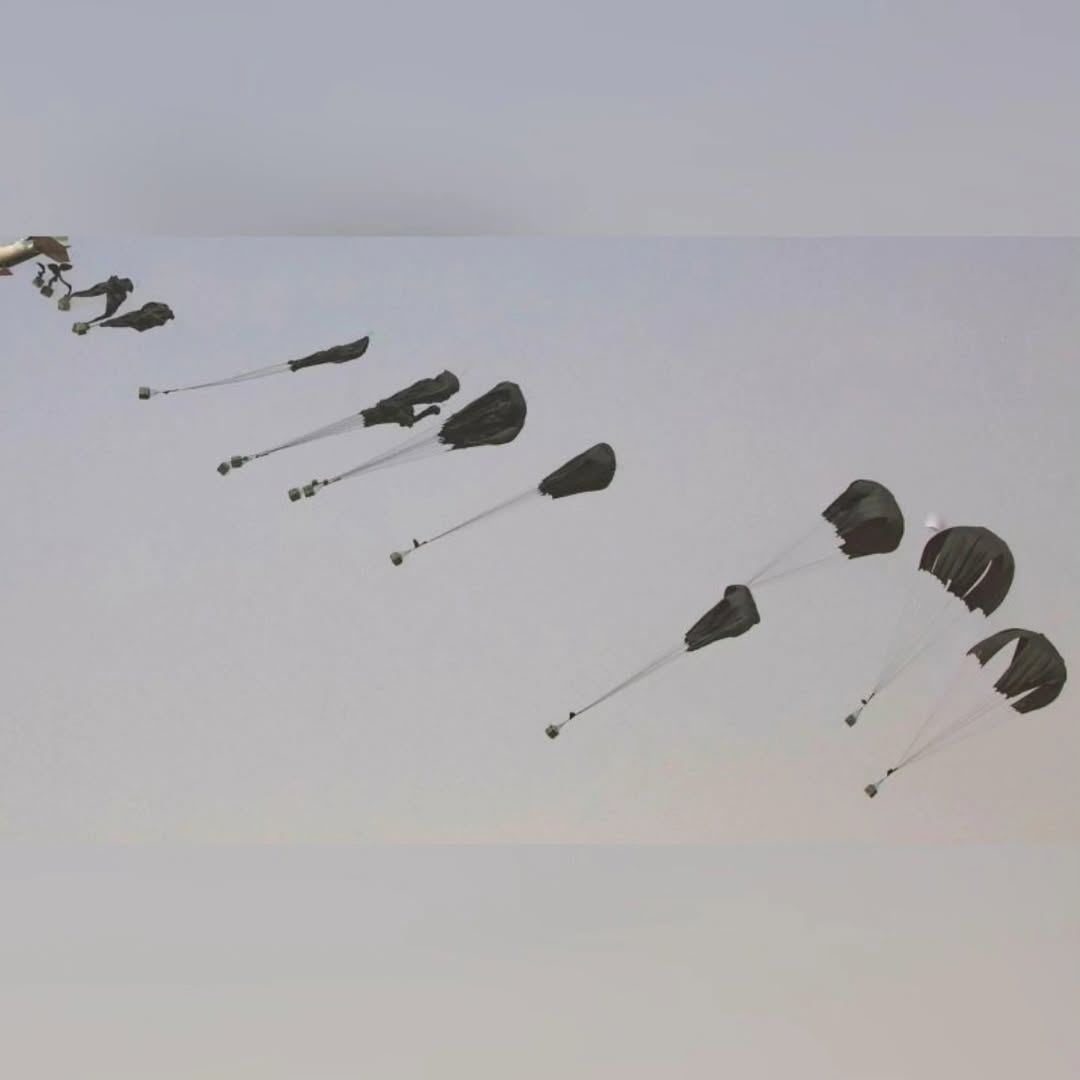
In 1960, the skies over the dense jungles of Borneo witnessed one of the most unusual airdrops in military history. Royal Air Force transport planes soared over the remote regions of Sarawak, opening their cargo doors to release a specific and unexpected payload attached to parachutes.
Instead of dropping standard rations or medical supplies, the crates drifting down to the isolated villages contained live domestic cats. This highly unusual airborne delivery, officially dubbed Operation Cat Drop, was an emergency response to a severe ecological crisis unfolding on the island.
The Unintended Consequences of Pest Control
During the 1950s, authorities in the British colony of Sarawak launched a campaign to control outbreaks of malaria. Teams heavily sprayed the chemical insecticide dichlorodiphenyltrichloroethane, commonly known as DDT, inside domestic dwellings and surrounding areas.
The primary objective was to eliminate the large populations of malaria-carrying mosquitoes threatening local residents. The chemical application successfully reduced mosquito numbers, but the widespread use of DDT initiated a chain reaction within the local ecosystem.
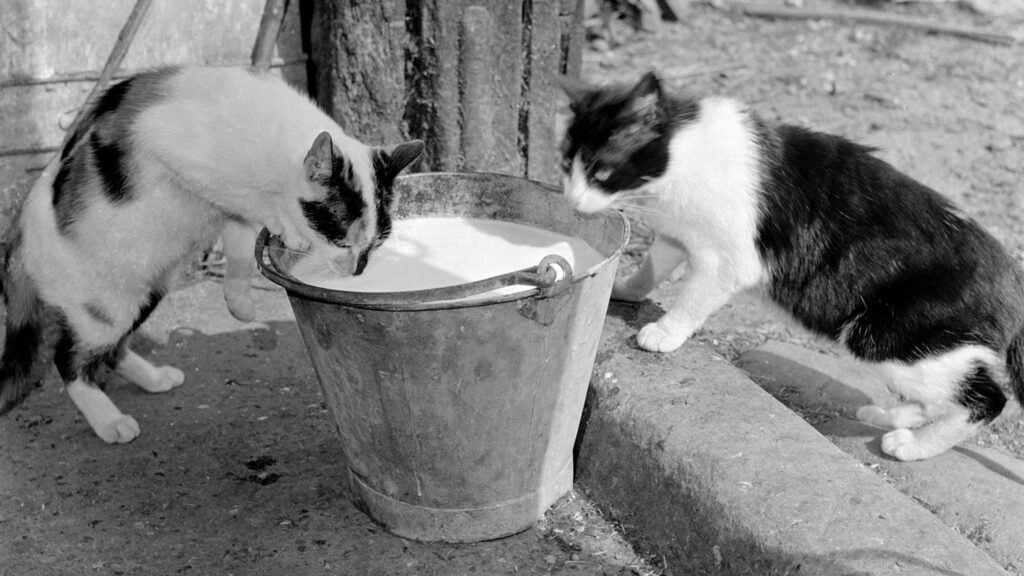
Domestic cats living in the villages began to die in large numbers. Scientists have proposed two primary causes for the feline fatalities. Some cats likely suffered fatal poisoning after brushing against DDT-sprayed walls and licking their fur during routine grooming. Other reports indicate the cats consumed local wildlife, such as lizards or cockroaches, that had already accumulated high levels of the toxic chemical in their bodies.
A Devastating Surge in Rodent Populations
With the village cat population severely decimated by the insecticide, the natural predators of local rodents virtually vanished. Unchecked by the cats, the rat population in the Sarawak district exploded at an alarming rate. The massive swarms of rats aggressively invaded the villages and began systematically destroying agricultural crops.
This aggressive infestation threatened the local food supply and raised immediate concerns about the potential spread of rat-borne diseases. The authorities urgently needed to restore the balance of predators to control the escalating rodent numbers.
Parachuting Felines from Singapore to Sarawak
To solve the agricultural crisis, officials orchestrated a targeted feline relocation program. A recruitment drive gathered a fresh supply of cats from Singapore. The Royal Air Force packed the animals into specially designed crates, loaded them onto transport aircraft, and flew them over the South China Sea across a distance of approximately 700 kilometers (435 miles) to Borneo.
Flying above the jungle canopy, the flight crews deployed the parachutes, dropping the crates safely into the affected districts. Contemporary newspaper reports from the period documented that 23 cats participated in the highly publicized airdrop.
Although later exaggerated accounts claimed tens of thousands of cats rained from the sky, historical records confirm the actual number remained small and highly targeted. The newly introduced cats successfully hunted the invading rats, and contemporary reports officially declared the unusual airdrop a complete success.