
In 1971, a massive technological project occurred in South America, years before the modern internet. The Chilean government collaborated with British scientist Stafford Beer to build a computer network to manage an entire national economy in real time.
They called this government endeavor Project Cybersyn. Operating through a nationwide web of telex machines feeding data into a single mainframe, this system thwarted a nationwide strike and controlled factory production. The initiative ended abruptly in 1973 under dramatic circumstances. The history of this project details an early application of computer science.
Designing a Nationwide Data Network
Project Cybersyn originated from a need to manage newly nationalized industries. Government officials recruited Stafford Beer, an expert in operations research, to apply his theories of management cybernetics to the state economy. The system consisted of four main components. “Cybernet” functioned as a communication grid, utilizing telex machines placed directly inside state operated factories.
These machines transmitted daily production data, such as raw material inputs, to a central hub in Santiago. The data then fed into “Cyberstride,” a custom software suite running on an IBM mainframe. This software used statistical modeling to monitor production and flag unacceptable parameters, sending alerts back to the factories or government officials.
The Custom Operations Room
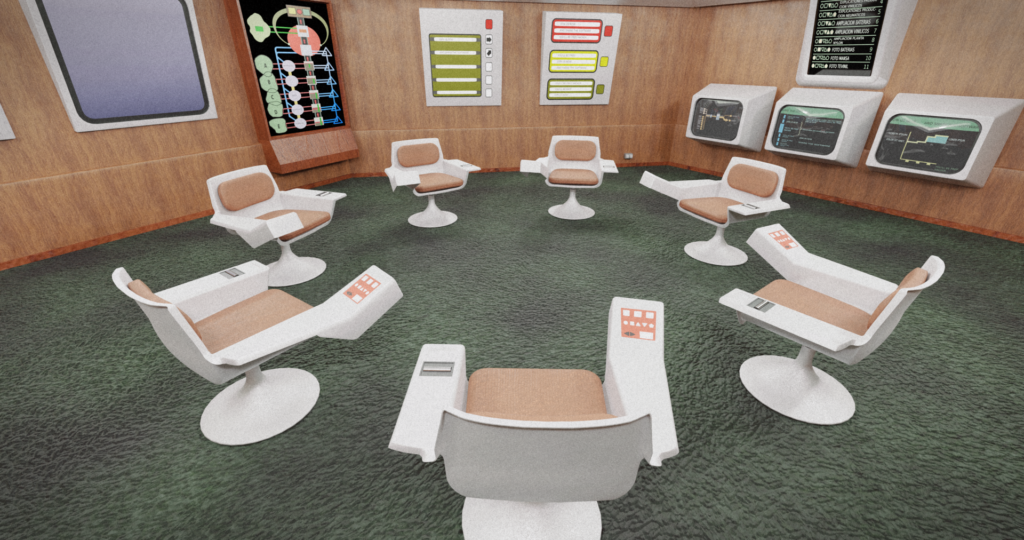
The central physical space of the project was the Opsroom. Interface designer Gui Bonsiepe led the team that built this space for reviewing economic data. The hexagonal room contained seven swivel chairs. Designers selected these specific chairs, which resembled props from a science fiction film, to maximize physical comfort.
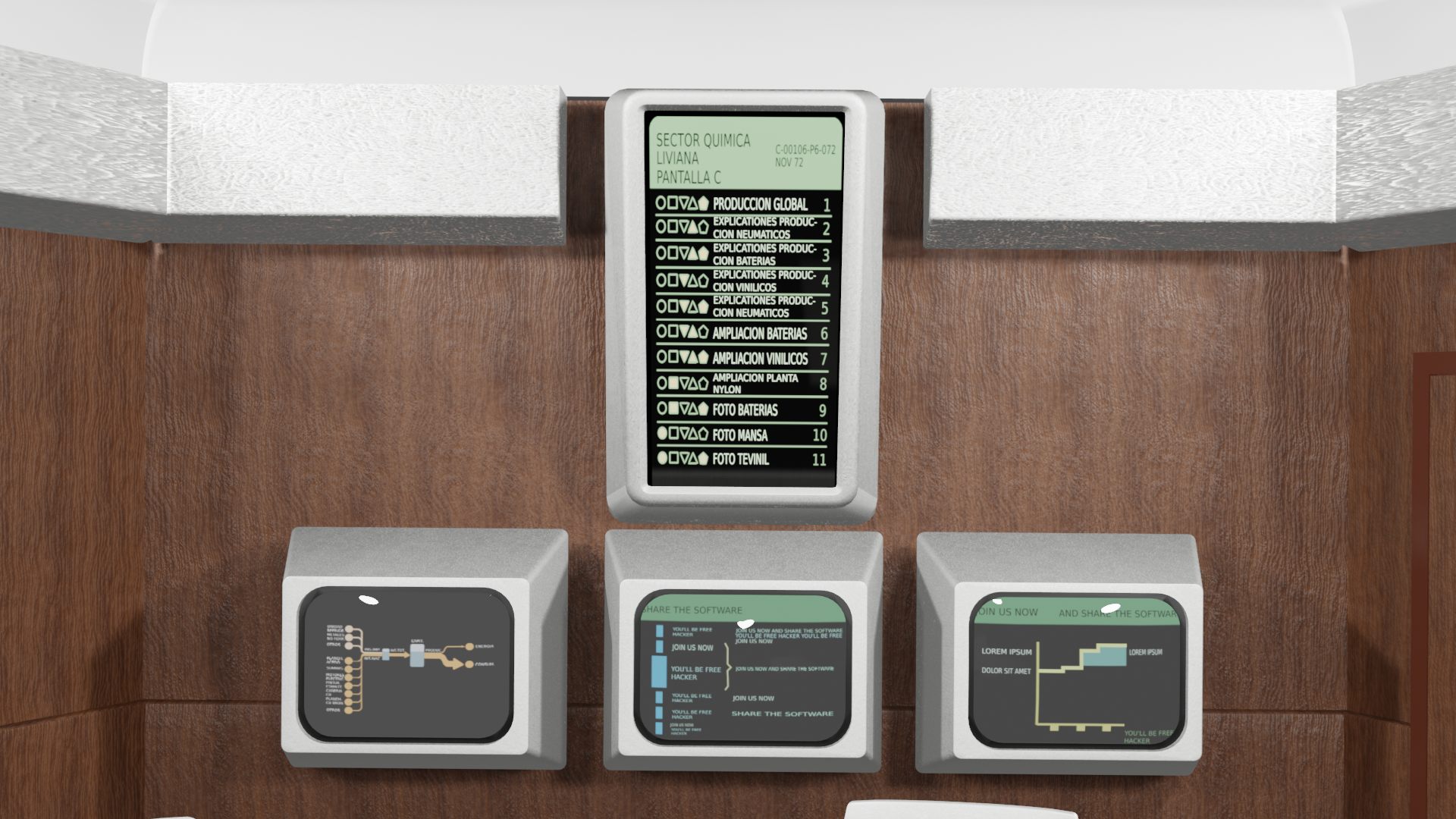
The armrests featured custom control buttons that allowed occupants to navigate large screens on the walls. These screens displayed graphs, real time alerts, and economic indicators. Planners intended for managers to sit in this room, review the data, and make rapid economic decisions based on the information projected around them.
Beating the Transport Strike
The system faced a severe operational test in October 1972 during a massive strike led by truck owners. The strike threatened to paralyze the distribution of food and essential goods. Government officials used the active Cybernet telex network to coordinate alternative transport logistics.
The telex machines provided rapid, accurate data regarding supply shortages and available vehicles across different regions. Consequently, the government maintained the flow of goods using only about 200 trucks. The real time information allowed them to bypass blockades and effectively break the strike.
The Sudden End of Cybersyn
The project never reached full completion. By May 1973, the government had incorporated approximately twenty six percent of nationalized enterprises into the network. On September 11, 1973, a military coup overthrew the government.
Following the takeover, the incoming military administration immediately abandoned the technological initiative. Soldiers physically destroyed the custom Opsroom. The custom software ceased operations, and the network of telex machines was entirely disconnected. Project Cybersyn immediately ceased all active technical functions.