A Secret Transfer in the Midst of War
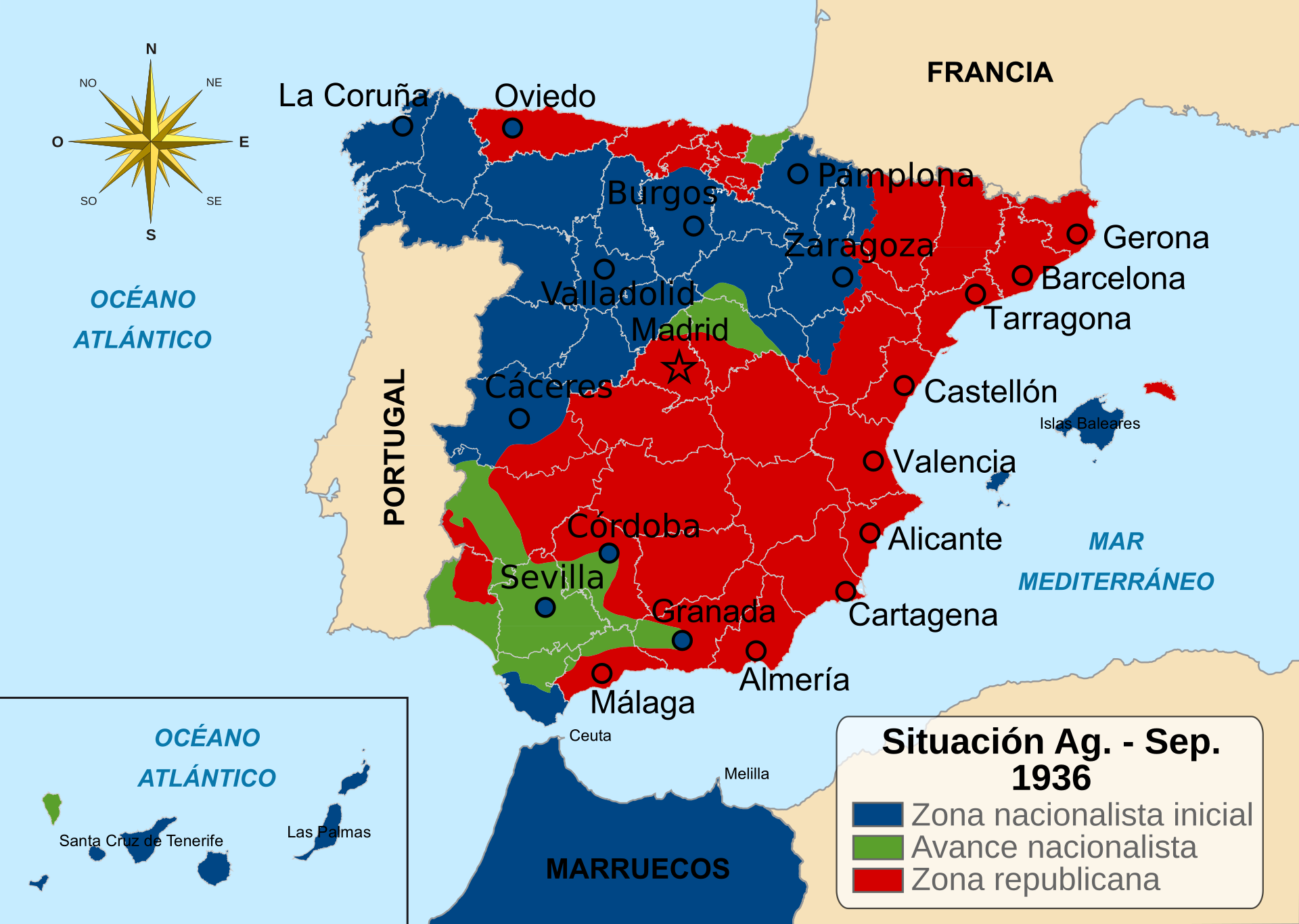
In 1936, as the Spanish Civil War raged, the Republican government secretly moved 510 tonnes of gold—72.6% of Spain’s reserves—from the Bank of Spain in Madrid to the Soviet Union. The operation was ordered by Finance Minister Juan Negrín and approved by Prime Minister Francisco Largo Caballero, aiming to safeguard the reserves from advancing Nationalist forces.
A Journey to Moscow
The gold was transported to the naval base in Cartagena and then loaded onto four Soviet ships bound for Odessa. It arrived in Moscow in November 1936, where it was stored under heavy security. The Soviets counted and documented the shipment, totaling over 509,000 kilograms of gold coins, primarily British sovereigns, Spanish pesetas, and other European currencies.
Financing the War
The Soviet Union began selling the gold on international markets to fund arms, supplies, and other expenses for the Spanish Republic. Between 1937 and 1938, nearly all of it was sold, generating about $470 million. A portion of these funds remained in Soviet-controlled banks in Paris, while the rest was used to pay for weapons and military support.
The Aftermath and Controversy
After the war, Francisco Franco’s government declared the transaction illegal, claiming the gold had been stolen. The issue became a focal point in Spanish political debates, with critics arguing that the Soviet Union had taken advantage of the situation. To this day, the Moscow Gold remains one of the most controversial financial decisions of the Spanish Civil War.