
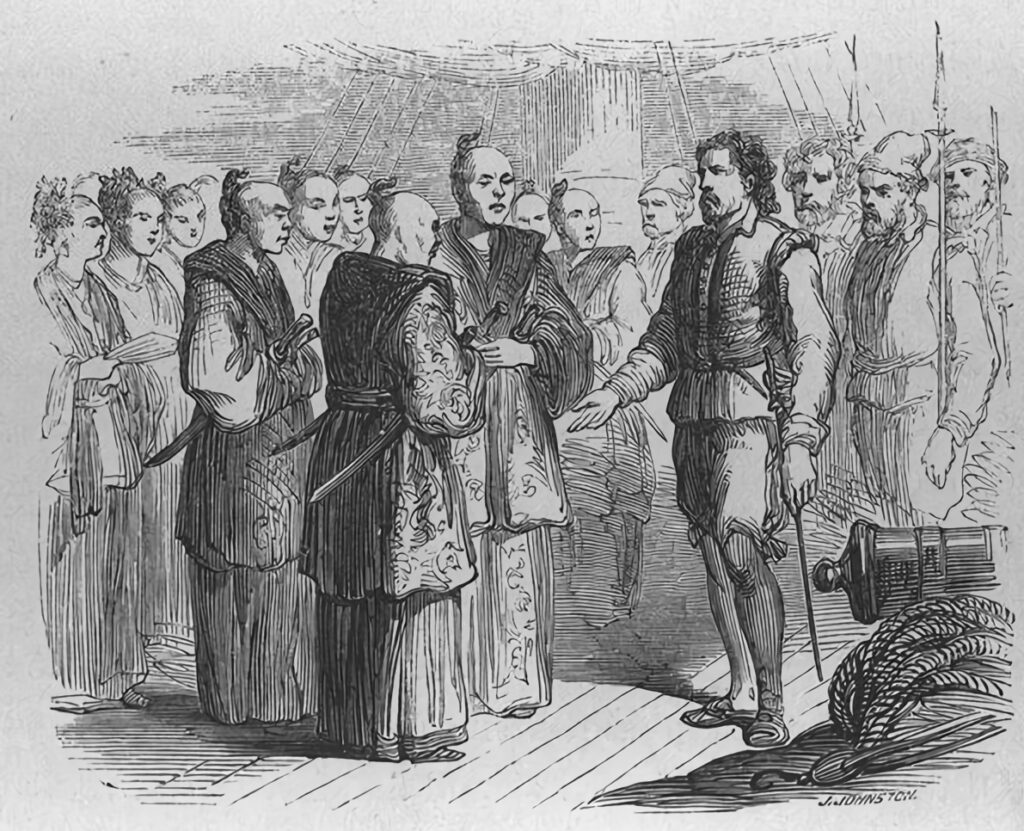
In the spring of 1600, a battered Dutch vessel drifted aimlessly into the bay of Usuki on the island of Kyushu. The ship carried a crew that had been decimated by a treacherous nineteen-month voyage across two oceans. Only twenty-four men remained alive out of the original crew, and merely nine were strong enough to stand. Among these starving survivors was William Adams, an English pilot from Gillingham.
He arrived in Japan as a wretched prisoner facing immediate execution for piracy. Yet, through a remarkable turn of events, this foreigner would rise to become a high-ranking advisor to the Shogun and the first Englishman to be granted the status of a samurai. This account details the verifiable events of his life in the Japanese court.
A Disastrous Expedition to the East
William Adams departed Rotterdam in June 1598 as the pilot major for a fleet of five ships. The expedition aimed to break the Portuguese monopoly on the spice trade in the East Indies. The voyage proved catastrophic from the outset. Violent storms in the Strait of Magellan scattered the fleet, and indigenous attacks in South America claimed the lives of several captains.
Disease ravaged the remaining sailors. By the time the ship Liefde reached Japanese waters, the crew was on the brink of death. Japanese authorities immediately seized their weapons and imprisoned the men at Osaka Castle. Portuguese Jesuit missionaries, who were already established in Japan, accused Adams and his Dutch shipmates of being pirates and urged the authorities to crucify them.
From Prisoner to Shogunal Advisor
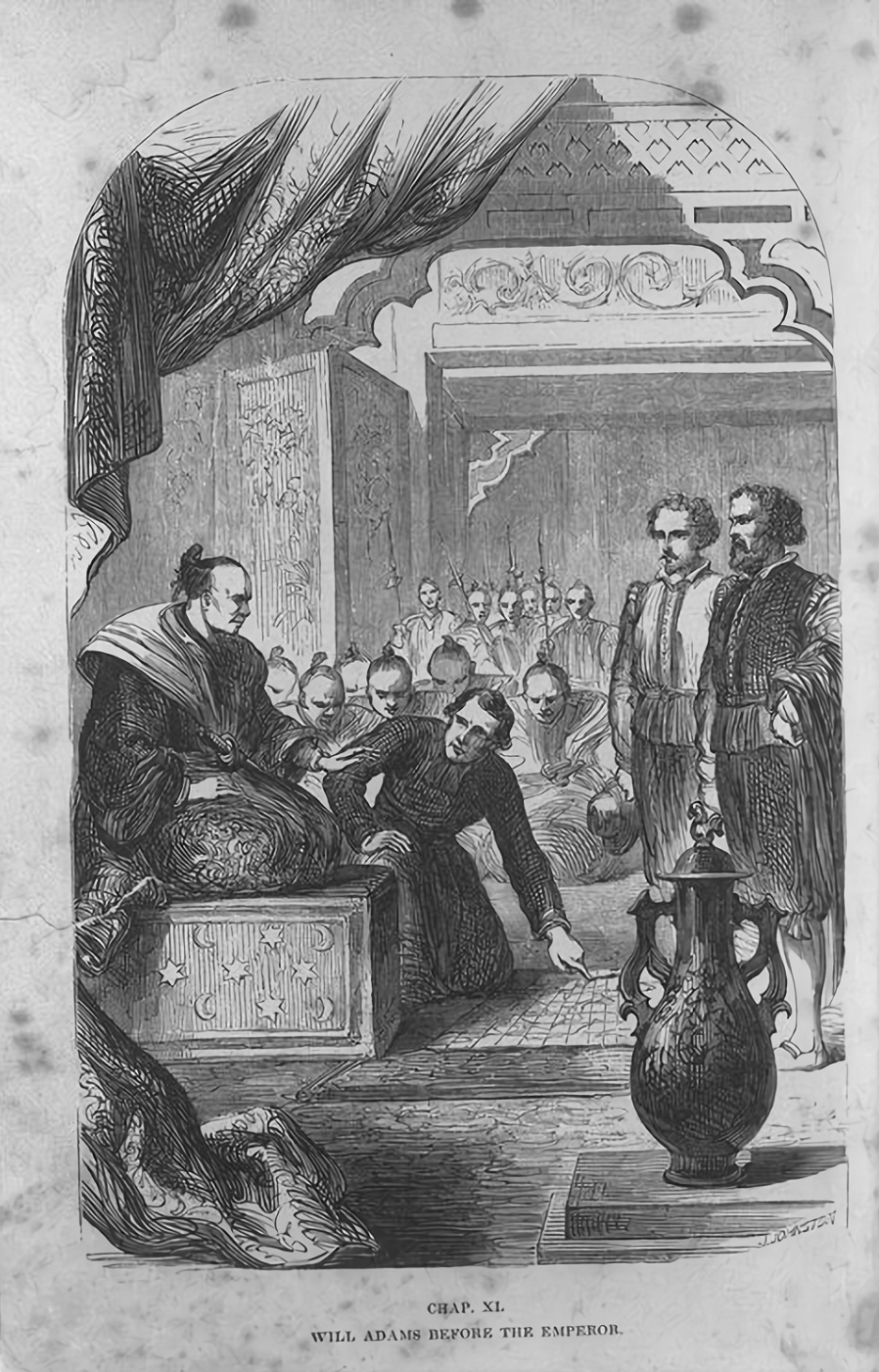
The warlord Tokugawa Ieyasu, soon to be the Shogun of Japan, rejected the Jesuits’ demands for execution. He ordered Adams to be brought before him for interrogation. Adams spoke no Japanese, but through rudimentary translation, he explained his nationality and the wars between England and Spain. He demonstrated his knowledge of geometry, mathematics, and navigation.
Ieyasu was impressed by the pilot’s intellect and his explanation of the non-religious purpose of his mission. The warlord released Adams from prison and ordered him to sail the Liefde to the new capital of Edo. Over the next few years, Adams oversaw the construction of Japan’s first Western-style sailing vessels. These included an 80-ton (72.6-metric tonne) ship for coastal surveys and a larger 120-ton (108.9-metric tonne) vessel capable of ocean voyages.
The Birth of Miura Anjin
The Shogun grew to value Adams’s counsel on diplomacy and trade so highly that he issued a decree prohibiting the Englishman from leaving Japan. In 1605, Ieyasu declared that the pilot William Adams was dead and that a Japanese samurai named Miura Anjin was born.
This new identity came with two swords representing the authority to kill, a distinct honor rarely granted to foreigners. The Shogunate awarded him a prestigious estate in Hemi on the Miura Peninsula. This fiefdom was valued at 250 koku, a unit of rice income equivalent to feeding 250 people for a year. Adams lived as a nobleman, married a Japanese woman named Oyuki, and fathered two children, Joseph and Susanna.
Establishing Trade and Final Years
Adams used his position to facilitate international commerce. When the Dutch East India Company established a trading post in 1609, Adams negotiated their trading privileges. Later, in 1613, the English ship Clove arrived under Captain John Saris.
Adams helped establish an English trading factory in Hirado. Although the Shogun eventually granted him permission to return to England, Adams chose to remain in Japan. He spent his final years organizing trade expeditions to Siam and Cochinchina. He died in Hirado in May 1620 at the age of 55, leaving his estate divided between his Japanese and English families.