
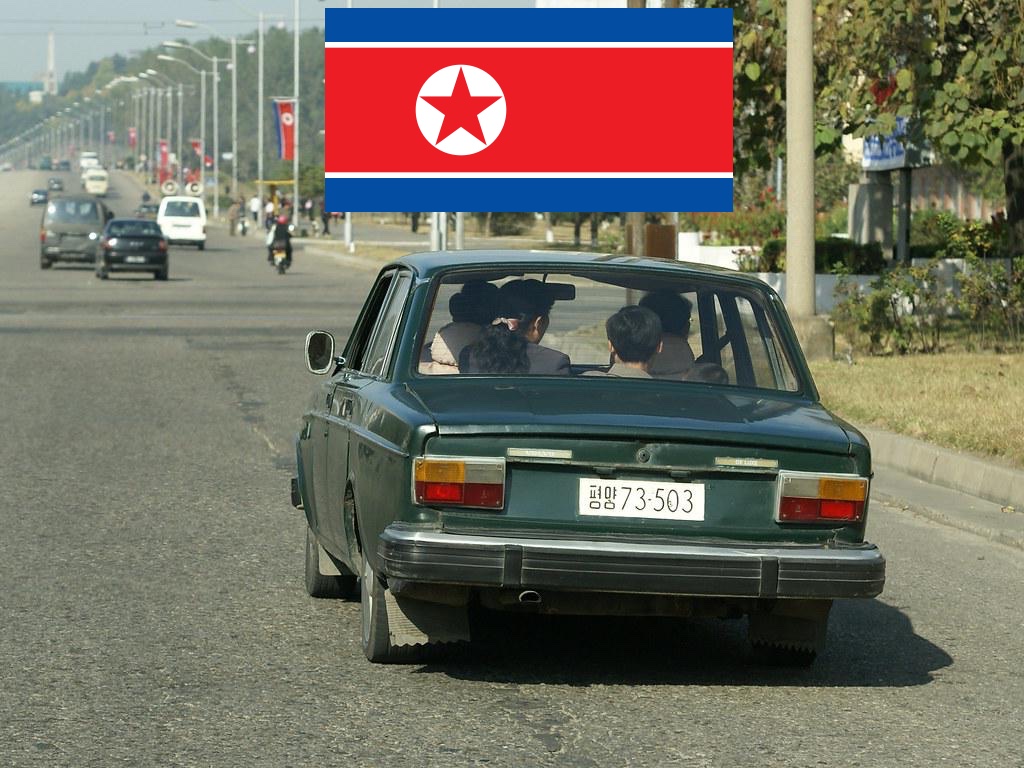
It sounds like the plot of an elaborate heist movie, but the events are entirely real. In 1974, the government of North Korea successfully executed one of the most audacious financial swindles in history against a neutral European nation.
The regime ordered a massive fleet of luxury vehicles, took delivery of the shipment, and simply refused to pay the bill. Over fifty years later, the invoice remains unpaid, the interest continues to compound, and the stolen cars are still driving on the streets of Pyongyang.
The Diplomatic Gamble
The political landscape of the 1970s presented a unique opportunity for Sweden. While the Cold War divided the world, neutral Sweden sought to expand its industrial reach into new markets. North Korea, at the time, was experiencing an economic boom and looking to modernize its infrastructure. Sensing a lucrative opening, Swedish politicians encouraged companies to invest.
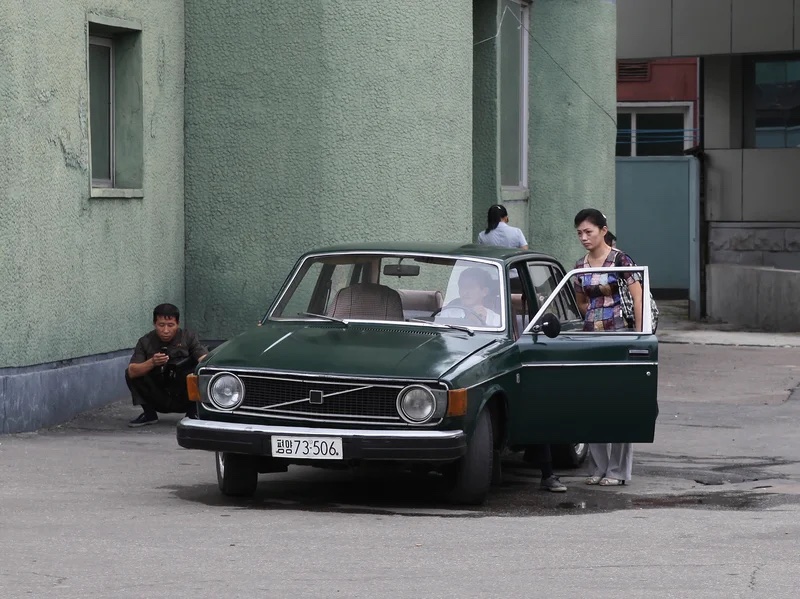
Sweden became the first Western nation to establish an embassy in Pyongyang. In this atmosphere of optimism, major Swedish corporations signed trade agreements worth over 70 million US dollars at the time. The centerpiece of this commercial venture was an order for one thousand Volvo 144 GL sedans.
The Delivery and the Silence
Volvo acted quickly to fulfill the massive order. Throughout 1974, ships arrived in North Korean ports carrying the heavy-duty sedans along with industrial mining equipment from other Swedish firms. The North Korean government distributed the green vehicles to the party elite and integrated them into the transport network.
However, when the Swedish Export Credit Agency issued the invoices, the response was total silence. It soon became clear that the North Korean state did not have the hard currency to pay for the goods and never intended to complete the transaction. The deadline for payment passed, and the Swedish diplomats realized they had been defrauded on a state level.
A Debt That Continues to Grow
The Swedish state stepped in to compensate Volvo for the loss, utilizing public funds to cover the cost of the stolen fleet. This transferred the financial claim directly to the Swedish government. For the last five decades, the Swedish Export Credit Agency has maintained the file as an active debt. Twice every year, the agency sends a formal demand for payment to the North Korean government.
These demands are consistently ignored. Due to the accumulation of interest and penalties over half a century, the debt has ballooned significantly. As of recent financial reports, the amount owed exceeds 3.3 billion Swedish Kronor (approximately 322 million US dollars).
The Stolen Fleet in Action
While the financial dispute remains unresolved on paper, the physical evidence of the heist continues to operate in the real world. Travelers and diplomats visiting North Korea have frequently documented sightings of the original 1974 Volvo 144s. Despite the lack of official spare parts or service from the manufacturer, North Korean mechanics have kept the vehicles running.
The cars often serve as taxis in the capital city or transport for local officials. They have survived the country’s harsh winters and notoriously poor road conditions for over fifty years. The fleet remains in North Korea as a functional part of the transport infrastructure, while the biannual invoices continue to pile up in Stockholm.