
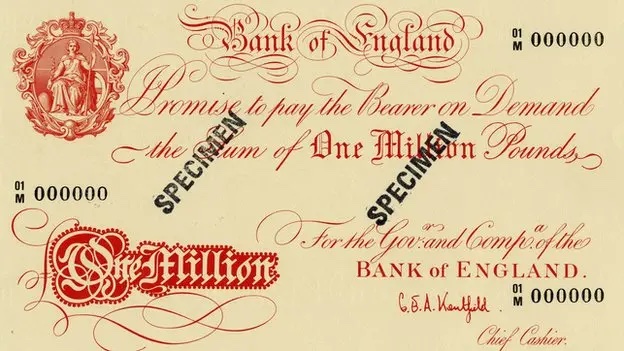
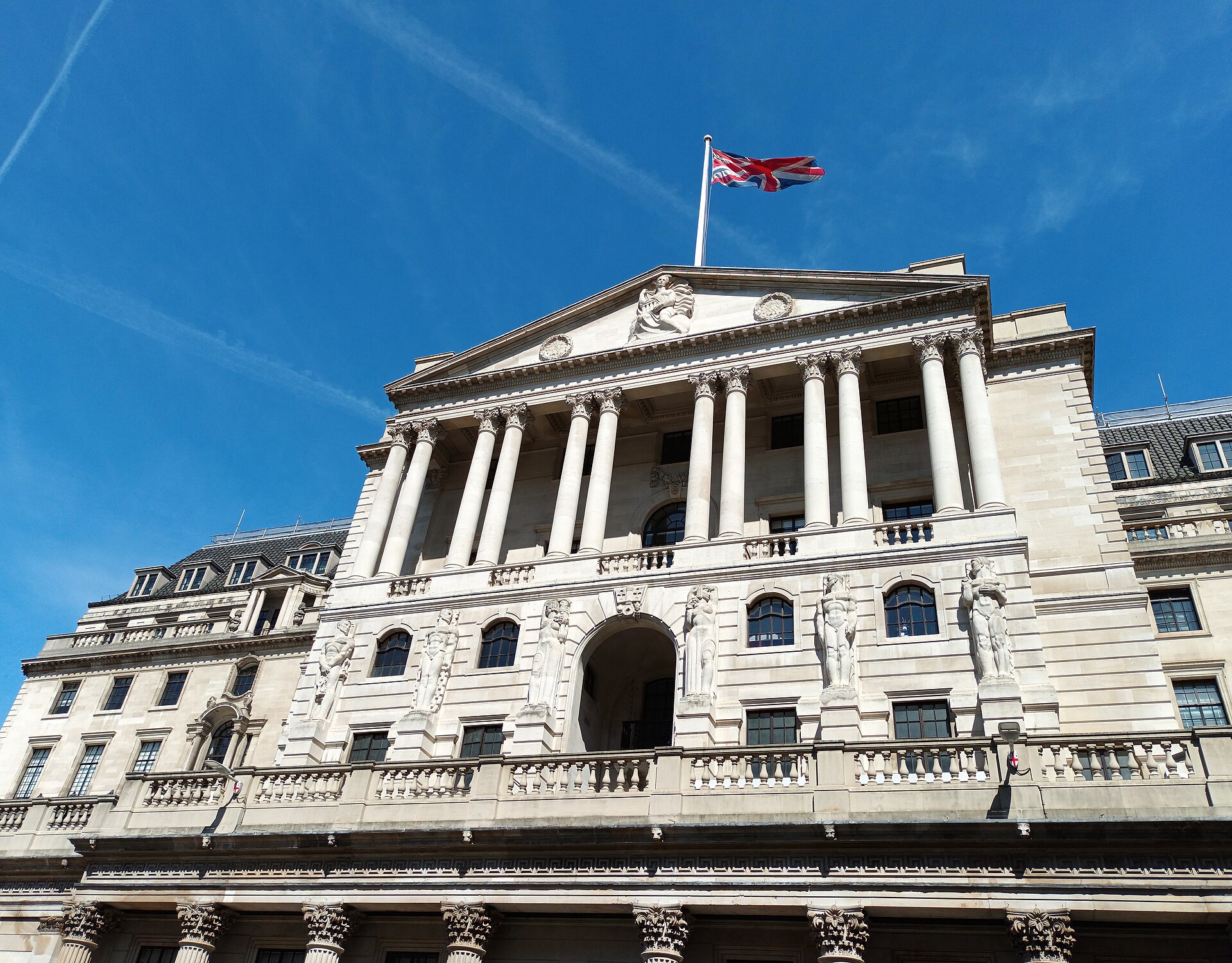
Deep within the highly secure vaults of the Bank of England lies an unimaginable fortune in the form of individual pieces of paper. While average citizens carry five, ten, and twenty-pound notes, the central bank guards single banknotes worth one million and one hundred million pounds.
Known as “Giants” and “Titans,” these astronomical denominations are strictly excluded from public circulation. A Titan measures exactly 297 millimeters (11.7 inches) by 210 millimeters (8.3 inches). Their sole purpose is to uphold a complex financial guarantee system that keeps the British currency structure afloat.
A Unique Financial Backing System
The existence of these massive notes solves a specific problem within the United Kingdom. Six commercial banks across Scotland and Northern Ireland hold the authority to print and issue their own everyday banknotes. Because English and Welsh businesses frequently view Scottish and Northern Irish cash with suspicion, the central bank requires a strict backing mechanism.
For every single pound these commercial banks print, they must deposit an exact equivalent in sterling with the Bank of England. Rather than stockpiling thousands of physical cages filled with standard banknotes, the central bank prints Giants and Titans.
Securing the Vaults
The Bank of England oversees the production of these massive denominations entirely internally instead of utilizing their usual commercial printing facilities. Once printed, a Titan only becomes legal tender when the existing Chief Cashier pens their name on the paper.
The notes are then locked away in fortified locations. If a commercial bank in Scotland or Northern Ireland were to fail, the central bank would use the value held in these Giants and Titans to replace the commercial cash with regular Bank of England notes.
Rare Escapes and Royal Autographs
Occasionally, million-pound Giants have left the strict confines of the vaults. One cancelled million-pound note, originally issued in connection with the post-war Marshall Plan, was given to a retiring chief cashier. His widow later offered the note to auctioneer Barnaby Faull.
The Bank of England explicitly requested that the auctioneer avoid publicizing the sale to keep the notes out of the open market. In December 2012, the Queen visited the Bank of England and penned her name on a decorative one-million-pound note that was never formally issued. That specific piece now sits on display at the Bank of England Museum.
Future Uncertainties
The continued use of Giants and Titans could face changes depending on political shifts. During debates over Scottish independence, the Scottish National Party proposed an arrangement to remain part of the sterling family alongside the rest of the United Kingdom and the Bank of England.
Experts like Angus Armstrong from the National Institute of Economic and Social Research suggested that separate Scottish notes could complicate the financial backing during a crisis. If an independent Scotland adopted Bank of England money directly, the Giants and Titans currently backing separate Scottish notes would no longer be required.