
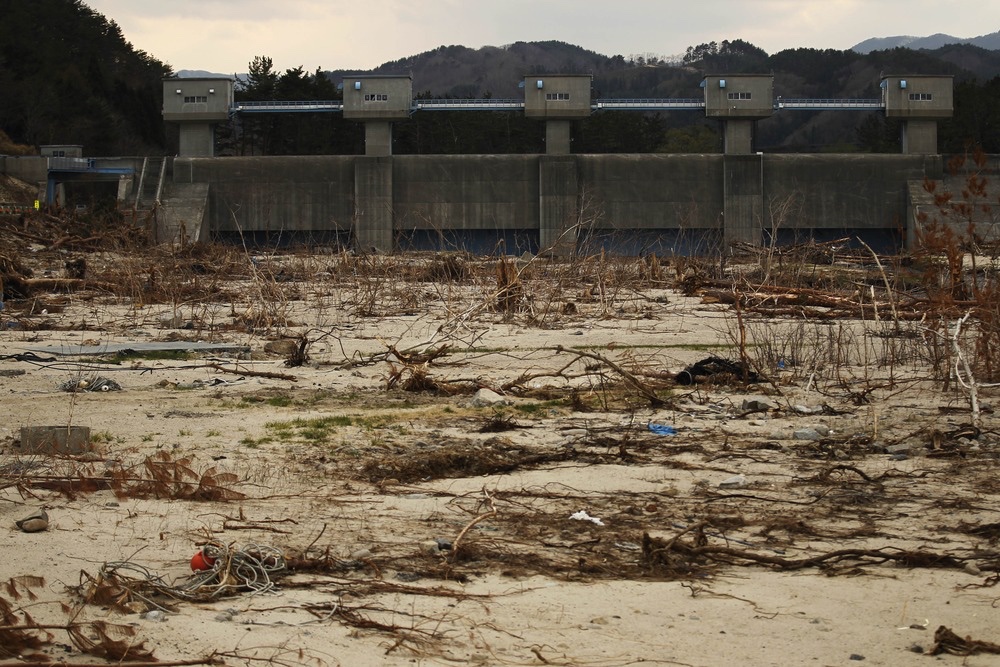
A small Japanese fishing village faced a massive 20-meter (66-foot) wave following a 9.0 magnitude earthquake in March 2011. While neighboring coastal towns suffered total devastation, the 2,600 residents of Fudai survived completely unharmed behind a towering concrete barrier.
Decades earlier, a persistent local mayor had forced the construction of a massive floodgate despite widespread criticism that the structure was an extravagant waste of money. The expensive project ultimately protected the entire population from the most destructive natural disaster in the nation’s modern history.
A History of Devastating Waves
Kotoku Wamura served as the mayor of Fudai from 1945 to 1987. During his life, he witnessed the destructive power of two major tsunamis that struck the region in 1896 and 1933.
These two events resulted in the deaths of 439 people in the immediate area. Wamura documented his experiences in a book called A 40-Year Fight Against Poverty, noting his inability to find words when he saw bodies dug up from the piles of earth. He swore to prevent such loss of life from happening again in his village.
Funding the Extravagant Project
In 1967, Wamura’s local government constructed a 15.5-meter (51-foot) seawall to shield the homes located behind the fishing port. Following this, he pitched an even larger project. He proposed a massive floodgate for the main cove where the majority of the population lived.
The design included movable panels that could be lifted to allow the Fudai River to empty into the cove and lowered to block incoming ocean surges. Construction took place between 1972 and 1984. The total cost reached ¥3.56 billion, which was split between the prefectural and central governments. Many people viewed the unprecedented size of the structure as a whim of the mayor.
The Ultimate Test in 2011
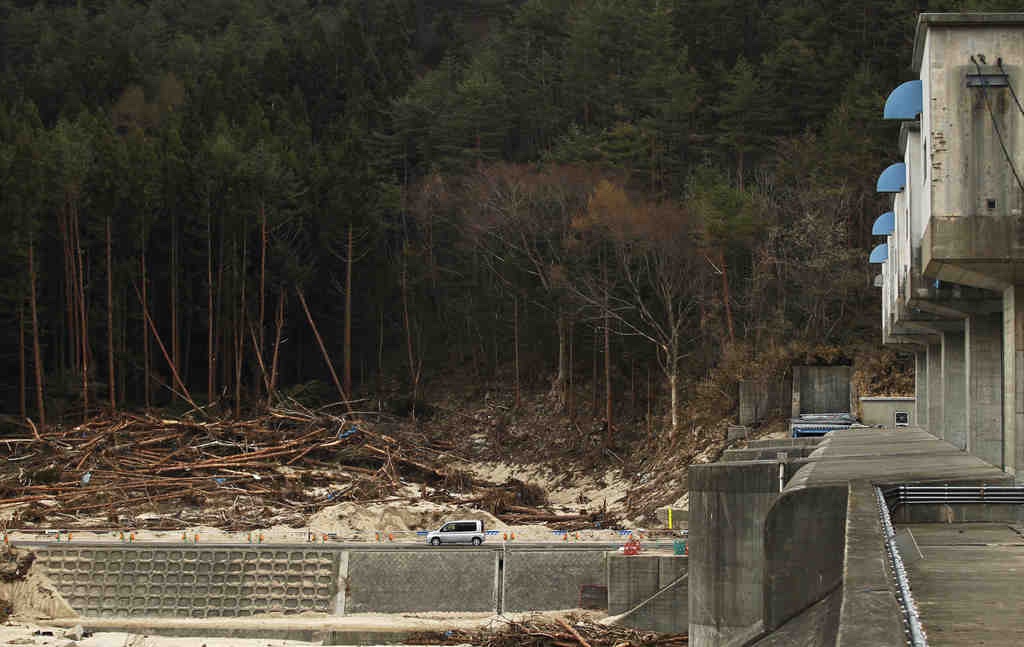
On March 11, 2011, a 9.0 magnitude earthquake generated ocean waves reaching heights of 20 meters (66 feet). As the water approached Fudai, workers lowered the massive panels of the floodgate. Some ocean water did flow over the top of the barrier, but the concrete structure successfully held back the main force of the ocean.
The homes located behind the seawall and the floodgate sustained minimal damage. The town recorded only one casualty when a single fisherman went beyond the protective barrier to check on his boat after the earthquake hit.
A Town Spared
Kotoku Wamura died in 1998, thirteen years before the 2011 earthquake occurred. Following the disaster, fishermen and local residents visited his grave to pay their respects. Without the 15.5-meter (51-foot) seawall and the adjoining floodgate, the ocean surge would have swept directly through the cove and destroyed the village of Fudai.