
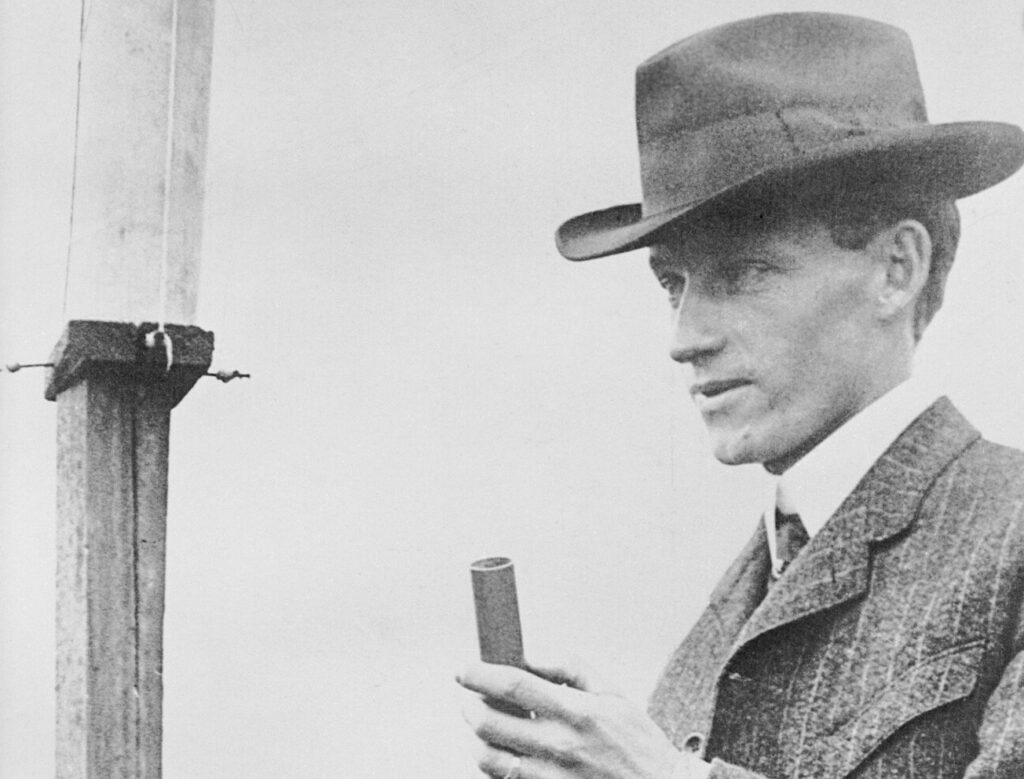
In late 1915, San Diego faced a crisis. A relentless drought had reduced the city’s water supply to dangerously low levels, leaving the Morena Reservoir at only one-third capacity. Desperate for a solution, the City Council turned to an unlikely savior: Charles Mallory Hatfield. A former sewing machine salesman who branded himself a “moisture accelerator,” Hatfield claimed he could coax water from the sky using a secret chemical blend.
The city agreed to a high-stakes verbal deal. If Hatfield filled the reservoir, they would pay him $10,000. If he failed, he would receive nothing. The council members believed they had made a risk-free wager, but they soon discovered that winning the bet would cost them far more than the agreed price.
The $10,000 Wager
Hatfield was not a magician; he was a pluviculturist who insisted he did not “make” rain but merely assisted nature. He had successfully fulfilled previous contracts for ranchers in Los Angeles, earning a reputation for delivering results. With the San Diego deal verbally secured, Hatfield and his brother headed to the dried-out Morena Reservoir on New Year’s Day, 1916.
They constructed a twenty-foot wooden tower and began their work. Hatfield mixed twenty-three secret chemicals in large galvanized pans atop the structure, setting them alight to release noxious fumes into the atmosphere. Witnesses reported that the smoke smelled intense and foul, comparable to a cheese factory explosion.
Brewing the Storm
On January 5, the skies darkened. Light rain began to fall, delighting the residents. However, the precipitation did not stop. By mid-January, the gentle showers had transformed into a torrential downpour of biblical proportions.
The dry riverbeds swelled, and the parched earth could not absorb the sheer volume of water. As the storm intensified, communication lines were cut, and trains were marooned. Hatfield’s chemical towers continued to billow smoke as the rain gauges overflowed.
When the Dams Broke
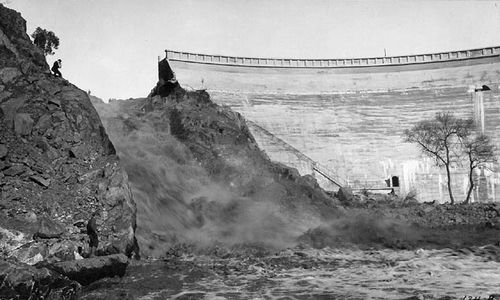
The celebration turned into a catastrophe on January 27. The Lower Otay Dam, unable to withstand the immense pressure, collapsed. A wall of water smashed through the valley, destroying homes, bridges, and farmland.
The floodwaters claimed approximately twenty lives and caused an estimated $3.5 million in damages—a staggering sum for the era. The Morena Reservoir, which Hatfield had been hired to fill, was now overflowing, but the cost of his success was the devastation of the city he had promised to save.
An Act of God?
When the waters receded, Hatfield walked into City Hall to collect his $10,000 check. He had fulfilled the terms of the verbal agreement: the reservoir was full. The City Council, however, presented him with a grim ultimatum. They reasoned that if Hatfield was responsible for the rain, he was also liable for the millions of dollars in flood damages.
If the rain was a natural occurrence, then he had not earned his fee. Years of litigation followed, ending in 1938 when the courts ruled the storm was an “act of God.” Hatfield never received his payment, and the city never recovered the damages from him.