
For over a century, the Nobel Prize has been the ultimate global achievement. When the Swedish Academy calls, laureates eagerly accept the incredible honor, the gold medal, and the financial reward. Yet, hidden in the archives of the Nobel Foundation is a fascinating historical anomaly.
Out of nearly one thousand laureates since 1901, exactly two individuals have voluntarily declined the most famous award on Earth. Their unprecedented rejections baffled the award organizers and created a controversy that remains entirely unique in recorded history.
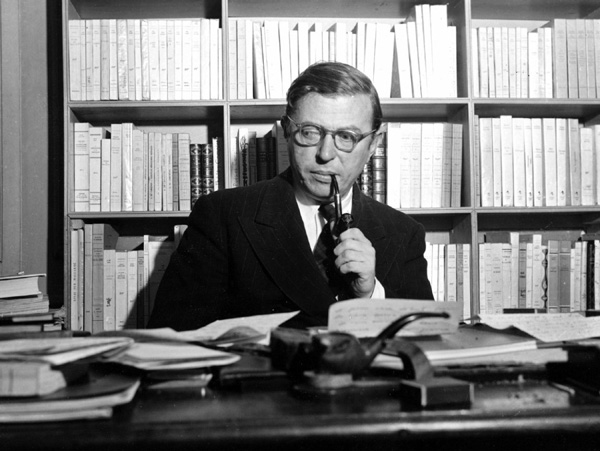
The Philosopher’s Polite Letter
In October 1964, the Swedish Academy awarded the Nobel Prize in Literature to French philosopher Jean-Paul Sartre. Speculation about his nomination had circulated in the press for weeks. Upon hearing the rumors, Sartre wrote a direct letter to the Academy requesting that his name be removed from consideration.
He explicitly stated he did not wish to appear on the list of potential laureates. However, his letter arrived in Sweden, traveling approximately 1,500 kilometers (932 miles) from Paris, nearly a month after the committee finalized their choice.
Fearing the Institution
When the announcement was made, Sartre immediately held a press conference to decline the award. He explained that his refusal was based on objective and personal reasons. Throughout his career, Sartre had consistently refused all official honors, including the French Legion of Honor in 1945.
He argued that a writer must completely refuse to let themselves be transformed into an institution. He expressed concern that accepting the Nobel Prize would compromise his independence. Sartre ultimately left the massive prize money untouched.
The Fractured Peace Accords
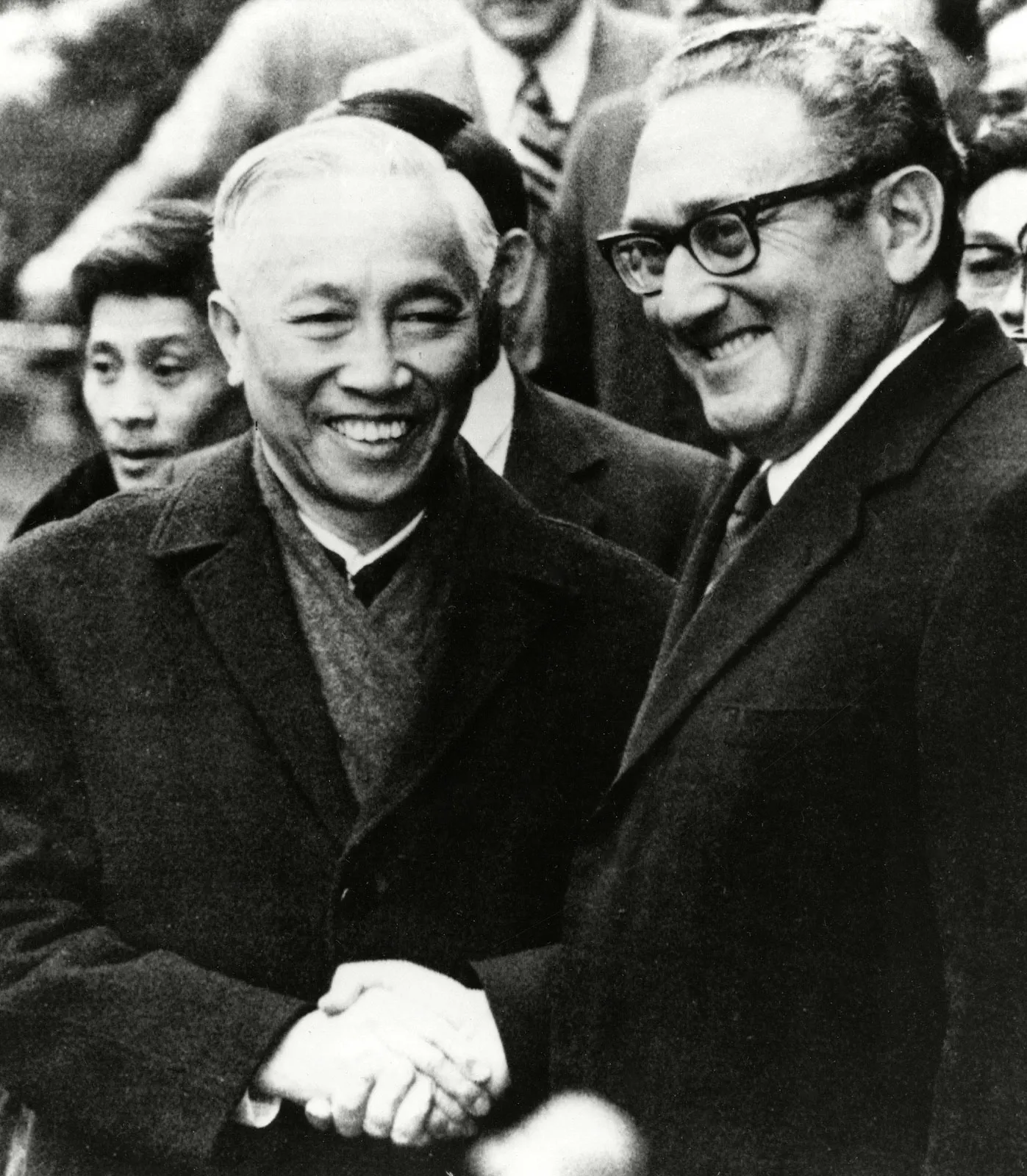
Nine years later, the Nobel Committee encountered its second rejection. The 1973 Nobel Peace Prize was awarded jointly to United States Secretary of State Henry Kissinger and North Vietnamese politician Le Duc Tho. The committee selected the men for their work in negotiating the Paris Peace Accords, an agreement intended to bring a cease-fire to the Vietnam War. Kissinger gladly accepted his portion of the award and expressed his delight at the recognition of their diplomatic efforts.
A War Still Raging
Le Duc Tho, however, flatly refused to accept the prize. He issued a statement pointing out a glaring reality: the Paris Peace Accords had not actually stopped the conflict. He argued that his counterpart had violated the truce and that genuine peace had not been established in his home country.
Because the brutal fighting and bombing were still actively occurring, Tho maintained he was simply not in a position to accept an award for peace. His decision stood.