
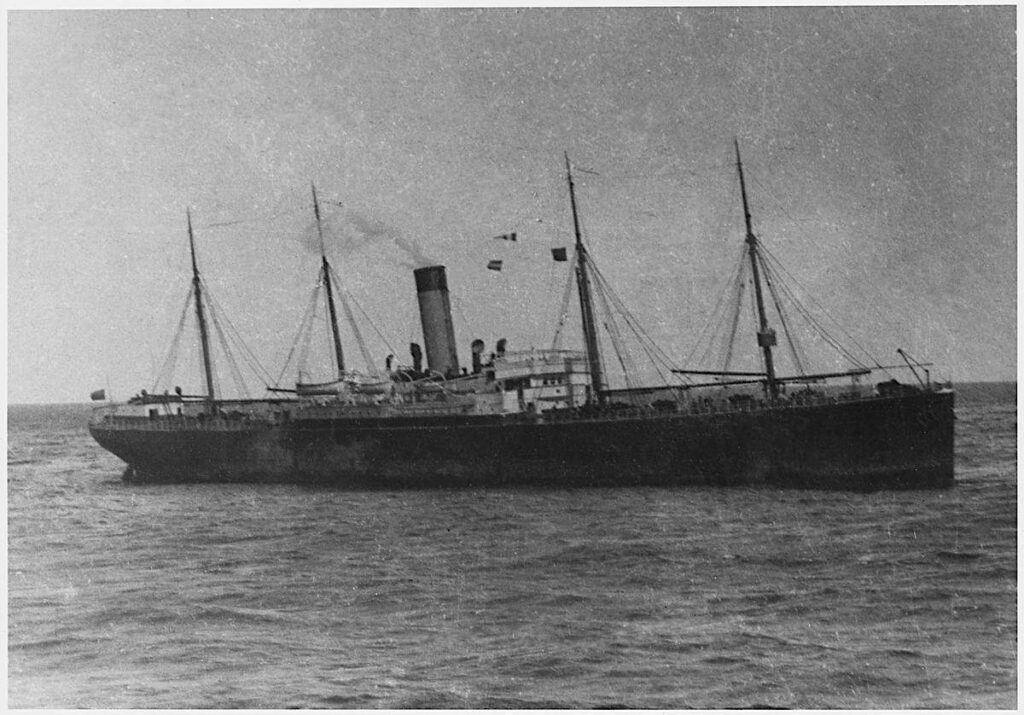
On the night of April 14, 1912, a British freighter named the SS Californian stopped in a massive ice field 5 to 20 miles (8.0 to 32.1 kilometers) from the RMS Titanic. The captain of the Californian, Stanley Lord, halted his vessel for the night to avoid a collision.
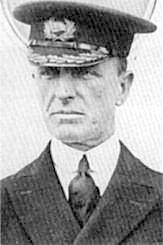
Over the next few hours, his crew witnessed eight white rockets launching into the sky from a nearby vessel. Instead of investigating, the 34-year-old captain remained resting in his chart room. More than 1,500 people died that night while the closest ship sat motionless.
The Dismissed Ice Warning
Earlier that evening, Captain Lord recognized the danger of the approaching ice pack and ordered his ship to stop at 10:21 p.m. He instructed his sole wireless operator, Cyril Evans, to send out an ice warning to all nearby ships. Evans used Morse code to contact the Titanic. However, the Titanic’s wireless operator, Jack Phillips, was dealing with a massive backlog of outgoing passenger messages.
Because the Californian was so close, the incoming signal was loud. Phillips responded by telling Evans to shut up and keep out. At 11:30 p.m., Evans turned off his radio equipment and went to sleep. Ten minutes later, the Titanic struck an iceberg.
The Eight White Rockets
At 12:15 a.m., Captain Lord went to the chart room to rest after being on duty for 17 straight hours. He remained fully dressed in his uniform. During the night, the crew of the Californian spotted the lights of a mystery ship in the distance.
They watched as the unknown vessel fired eight white rockets into the air. When the crew informed Captain Lord about the visual signals, he stated they were likely company rockets used by ships of the same shipping line to identify each other. He never ordered the wireless radio to be turned back on to contact the distressed ship.
The Morning Discovery
By 2:20 a.m., the lights of the unknown ship disappeared from the horizon. The Californian crew assumed the vessel had steamed away. It was not until 5:30 a.m. that Evans woke up, turned his radio back on, and received the news that the Titanic had sunk.
Captain Lord immediately ordered his crew to build steam and navigate through the ice toward the last known coordinates. By 8:45 a.m., they arrived alongside the rescue ship Carpathia to help search the water for bodies.
The Official Inquiries
Following the disaster, Stanley Lord faced intense scrutiny during both the United States and British inquiries. Investigators concluded that the Californian was the closest ship to the Titanic during the sinking.
Although the inquiries criticized Lord for his inaction and failure to turn on the wireless radio, they stopped short of recommending any criminal charges. He was dismissed by the Leyland Line in August 1912 and spent the rest of his life unsuccessfully petitioning the government to clear his name.