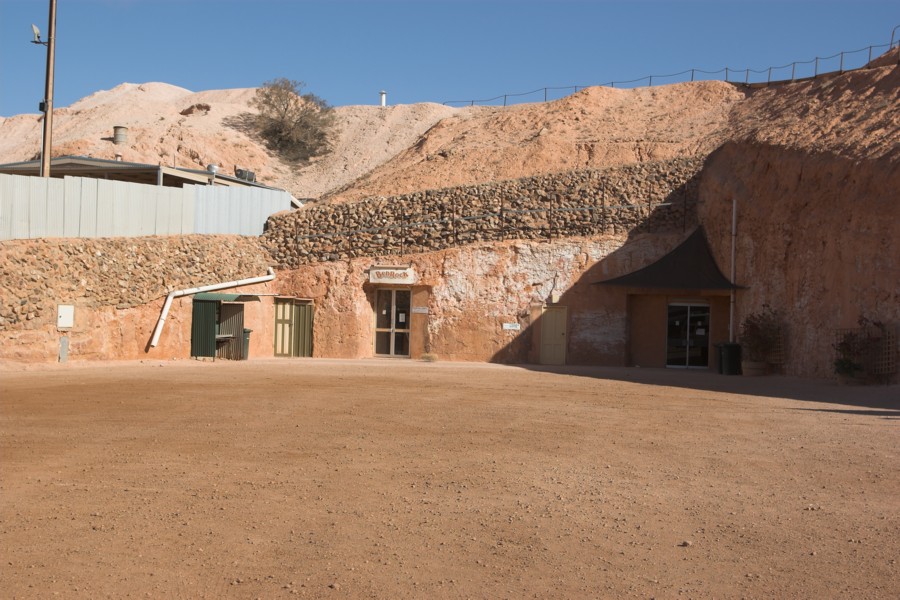
In the barren expanse of the South Australian outback, a thriving town exists entirely out of plain sight. Surface temperatures regularly soar past 50 degrees Celsius (122 degrees Fahrenheit), making the above-ground environment actively hostile to human life.
Yet, directly beneath the red dirt, thousands of people go about their daily routines in fully equipped homes, hotels, and churches. This is Coober Pedy, a subterranean settlement built by fortune-seekers who carved a massive, functioning municipality straight into the bedrock to harvest the earth’s most colorful gemstones.
A Teenage Discovery in the Scorching Desert
In early 1915, a gold-prospecting syndicate traveled through the desolate Stuart Range. A 15-year-old boy named Willie Hutchison was part of the expedition. While searching for water, the teenager stumbled upon pieces of precious opal lying on the surface of the ground.
By February of that year, miners began flocking to the isolated region to stake their claims. The area lacked surface water and vegetation, and the extreme climate forced the newly arrived miners to seek immediate shelter.
Moving Underground to Beat the Lethal Heat
The early miners quickly realized that the deep holes they were digging to extract opals offered a consistent, cool temperature compared to the blistering surface. During the summer months, the outside air reaches dangerous extremes, while the subterranean temperature remains a steady 23 degrees Celsius (73 degrees Fahrenheit) year-round.
Instead of building standard houses, the miners expanded their mining shafts into living quarters. They called these underground homes dugouts. The town name, Coober Pedy, actually originates from the local Aboriginal term kupa-piti, which translates directly to white man’s hole.
The Architecture of Subterranean Dugouts
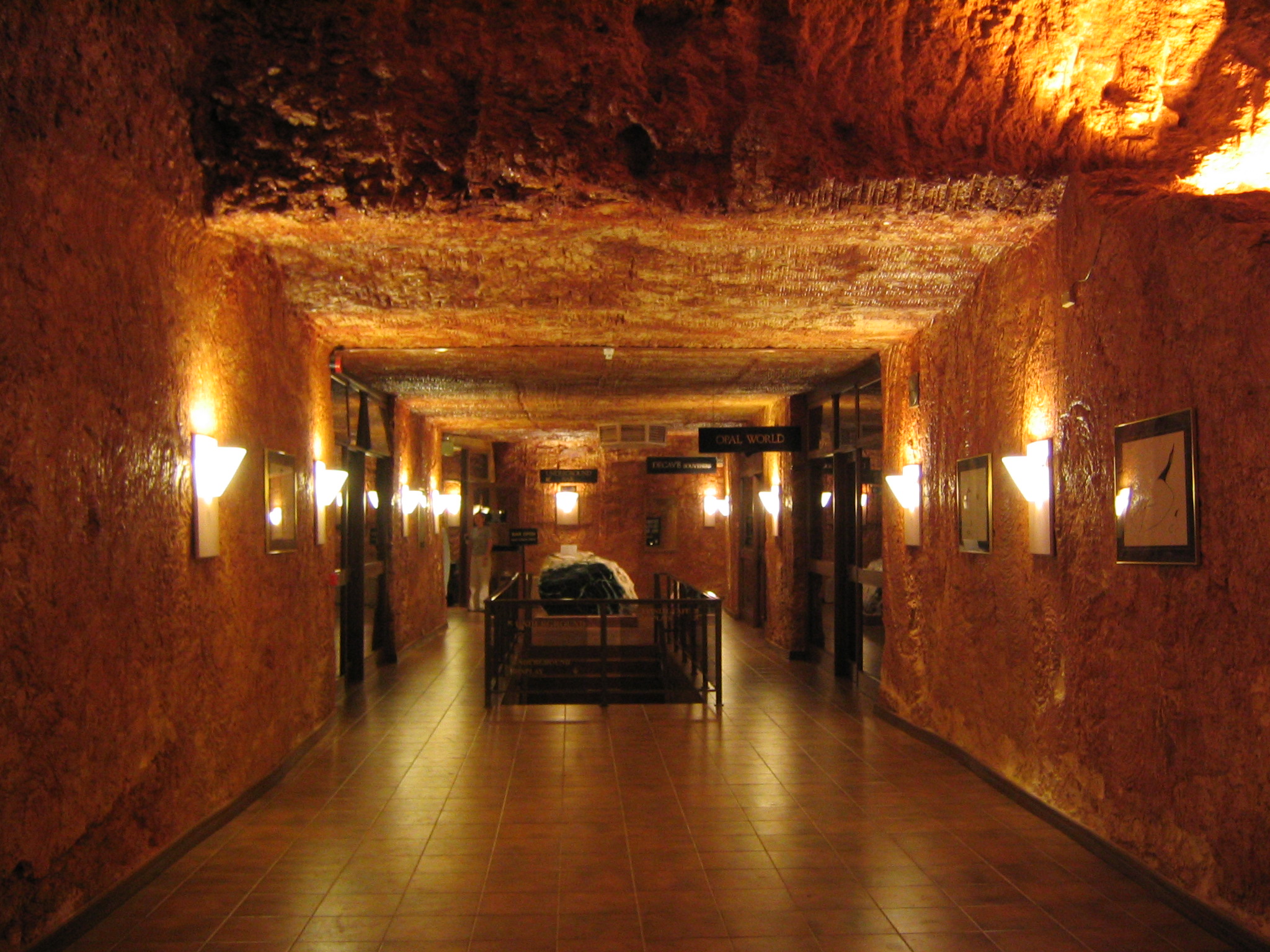
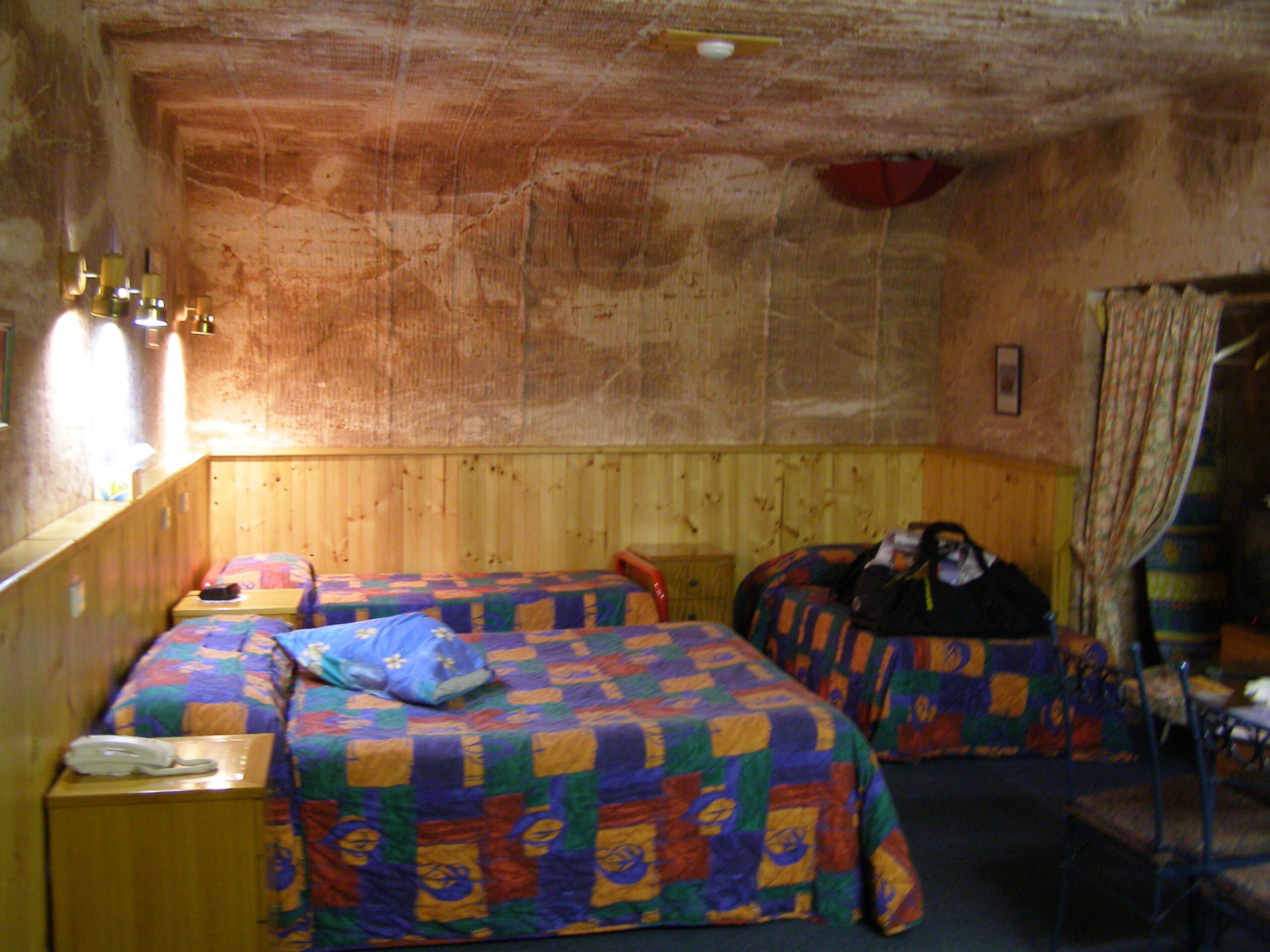
Modern dugouts are carved directly out of the sandstone using heavy tunneling machinery. A standard underground home features multiple bedrooms, living areas, and kitchens. Vertical shafts are drilled to the surface to provide essential ventilation and prevent stale air from accumulating.
The homes are fully connected to the municipal water and electrical grids. Over the decades, the residents excavated extensive civic structures, creating underground restaurants, a functioning bookstore, and several churches. The walls are coated with a clear sealant to stop dust from falling into the living spaces.
Supplying the Global Opal Market
Coober Pedy grew to become the largest opal mining area in the world. The town consists of over 70 distinct opal fields covering an area of 4,954 square kilometers (1,913 square miles). The miners extract a specific type of gemstone known as the light opal, which constitutes the vast majority of the global supply.
Because the environment is so barren and heavily excavated, film studios frequently use the town as a filming location for science fiction movies set on desolate planets.