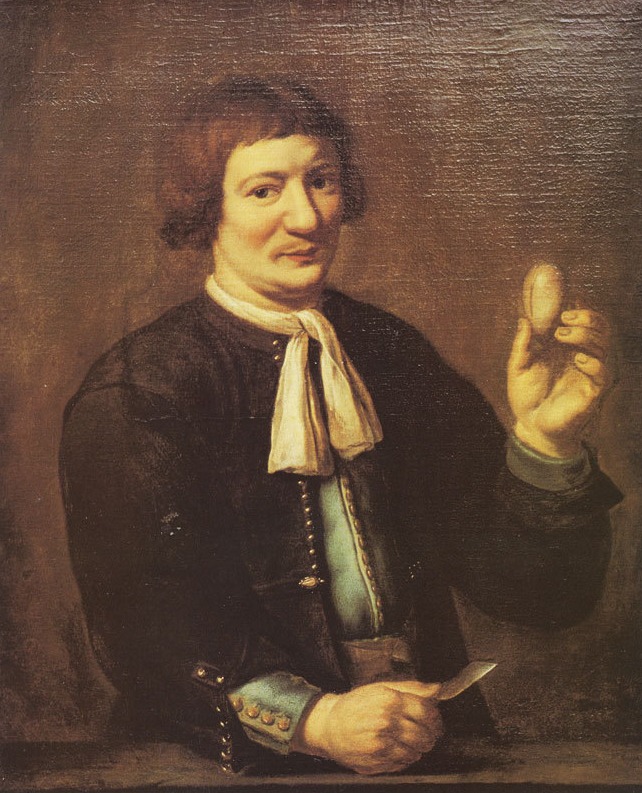
A Painful Condition
In the 17th century, Jan de Doot, a Dutch blacksmith, suffered from an excruciating bladder stone. At the time, bladder stone surgery was dangerous and often fatal. Having seen others suffer at the hands of surgeons, he decided to take matters into his own hands.
A Bold Decision
On one morning in 1651, de Doot sharpened a knife, sat down, and made an incision near his perineum. Without anesthesia or medical assistance, he reached inside his body and extracted the bladder stone himself. The stone, described as the size of a hen’s egg, was later preserved in a medical collection.
The Aftermath
After removing the stone, de Doot stitched the wound and recovered. He reportedly lived for many more years without complications. His case was documented by Dutch physician Nicolaes Tulp, who included an illustration of the extracted stone in his medical writings.