
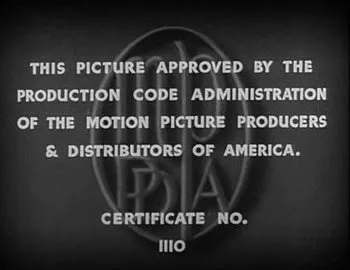
In the early 20th century, Hollywood functioned as a lawless frontier of visual storytelling. Before the arrival of modern rating systems, films featured graphic violence, nudity, and themes that would eventually trigger a massive cultural crackdown.
By the late 1920s, public scandals involving high-profile actors combined with the provocative content of “Pre-Code” cinema led to a formal movement to sanitize the industry. This resulted in the creation of the Motion Picture Production Code, a strict set of moral guidelines that dictated exactly what could and could not be shown to the American public for over thirty years.
The Birth of the Production Code
In 1930, Martin J. Quigley, a trade publisher, and Daniel A. Lord, a Jesuit priest, drafted a list of moral commandments for filmmakers. While the industry initially ignored these rules, the formation of the National Legion of Decency by the Catholic Church in 1933 applied financial pressure through organized boycotts.
Fearing government intervention and lost revenue, movie studios agreed to self-censor. In 1934, Will H. Hays appointed Joseph Breen to head the Production Code Administration. From that point forward, every script required a seal of approval before a single frame could be filmed.
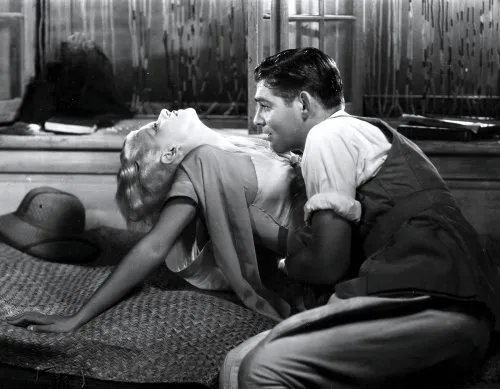
Forbidden Content and Creative Constraints
The “Hays Code” prohibited a wide array of specific behaviors and plot points. Murder could not be shown in a way that inspired imitation, and “miscegenation”—interracial relationships—was strictly forbidden. The code mandated that “the sympathy of the audience shall never be thrown to the side of crime, wrongdoing, evil or sin.”
Even animated characters were affected; Betty Boop’s flapper attire was replaced with a modest housewife’s outfit. If a woman committed an “immoral” act in a film, the plot was required to show her suffering the consequences of her choices by the final credits.
Forced Subtlety and the Fall of the Code
Filmmakers found themselves in a constant battle with censors, leading to the use of visual metaphors to imply what they could not show. To bypass restrictions on depicting physical intimacy, directors used “queer coding” or clever dialogue with double meanings.
However, by the late 1950s, the rigid constraints began to fail. Foreign films without the Code’s seal started gaining popularity, and social shifts following World War II made the rules seem increasingly obsolete. Joseph Breen retired in 1954, and by 1968, the Motion Picture Association of America (MPAA) officially replaced the Code with the letter-based rating system used today. This transition ended three decades of centralized moral oversight in American filmmaking.