
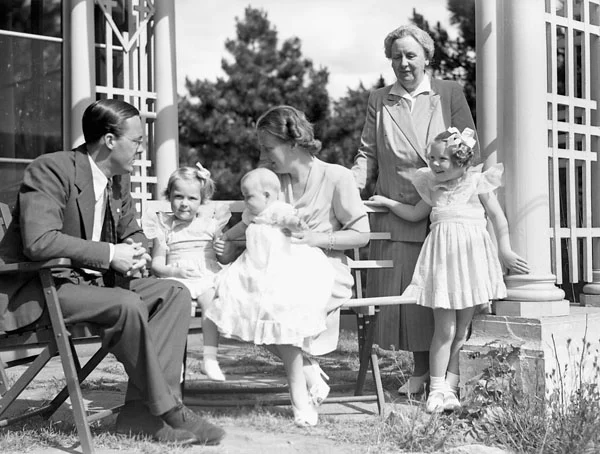
When Crown Princess Juliana of the Netherlands announced her pregnancy in 1942, she triggered a strict constitutional dilemma. Escaping the German invasion in 1940, the Dutch royal family had taken refuge in Ottawa, Canada.
A baby born on Canadian soil would automatically become a British subject, disqualifying the child from the Dutch royal succession. To solve this problem, the Canadian government executed a specific legal maneuver, creating a roaming, temporary bubble of extraterritoriality that technically belonged to no country at all. This mechanism allowed the baby to retain exclusive Dutch citizenship.
A Royal Constitutional Dilemma in Exile
In the autumn of 1942, Juliana’s secretary, William van Tets, contacted the Canadian Department of External Affairs. The Dutch constitution strictly dictated that an heir could not be born on foreign soil. Because Canada was a dominion of the British Empire, the principle of jus soli applied, meaning anyone born within its borders was a natural-born British subject. The royal family required a direct method for the baby to be born solely Dutch.
An Uncommon Legislative Solution
John Erskine Read, a legal advisor for the department, devised a strategy to temporarily strip Canadian jurisdiction from the precise location of the birth. A legal team led by Deputy Minister of Justice Frederick P. Varcoe drafted a proclamation. The Canadian cabinet approved the plan, and it was enacted through an order-in-council under the War Measures Act. The document was signed by Governor General Alexander Cambridge on November 27, 1942, granting the proclamation the legislative power of a parliamentary act.
A Floating Bubble of Extraterritoriality
To accommodate the unpredictable timing of childbirth, the proclamation did not specify an exact date or location. Instead, it declared that any place in Canada where the Princess went into labor would temporarily become extraterritorial. This created a mobile zone completely exempt from Dominion and Provincial criminal, civil, and military jurisdiction. By waiving Canadian birthright citizenship laws, the infant would inherit citizenship entirely from her mother. A popular myth suggests the hospital was declared Dutch territory, but the Canadian government actually just suspended its own laws over the space.
A Unique Royal Birth in North America
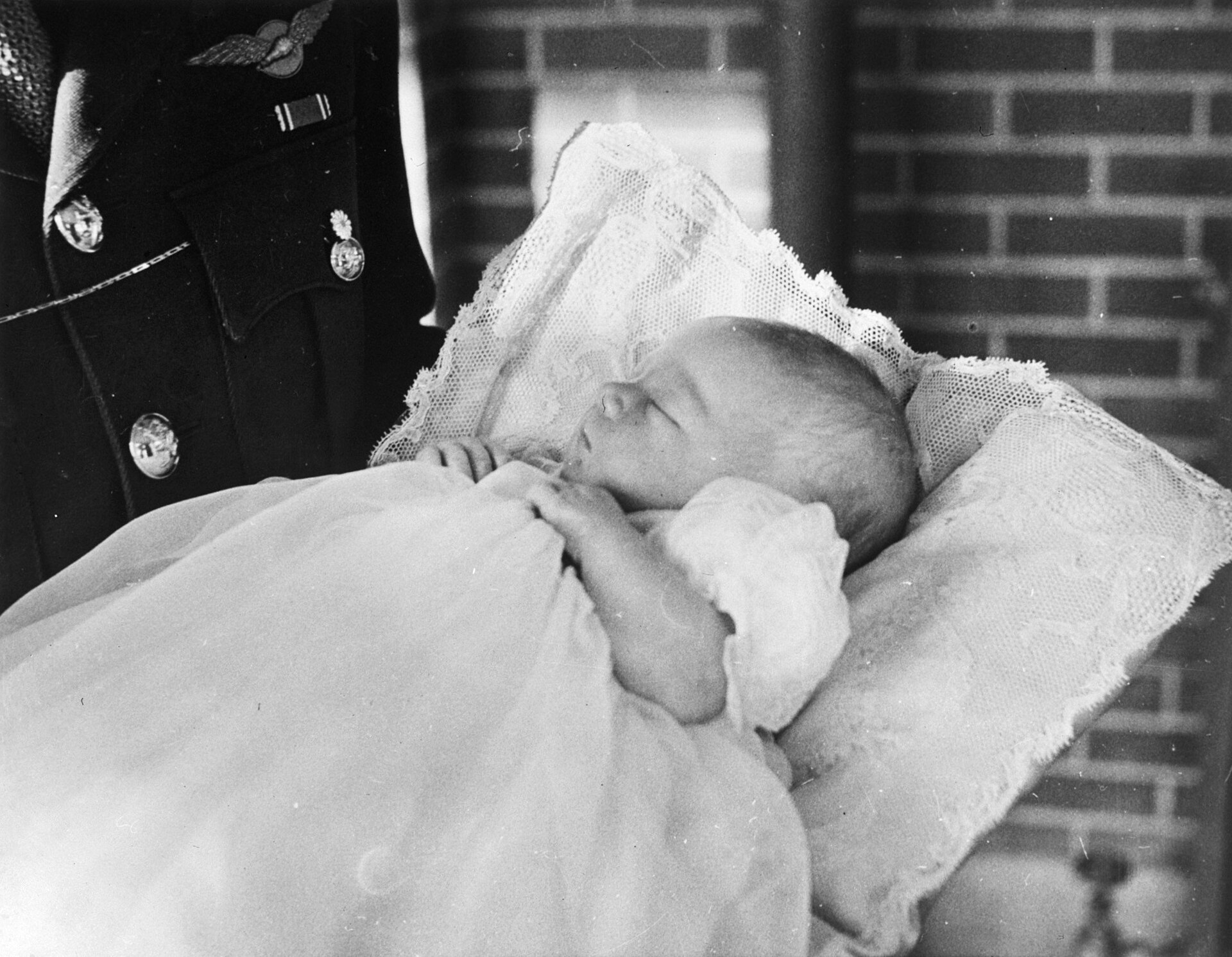
On January 18, 1943, Princess Juliana was admitted to the Ottawa Civic Hospital. Princess Margriet was born the following day inside the temporary extraterritorial zone. She was named after the marguerite flower. She was registered strictly as a citizen of the Netherlands and received no Canadian birth certificate. The following day, the Dutch flag flew from the Peace Tower at Parliament Hill. She became the first member of the House of Orange-Nassau born outside the Netherlands, and for decades, she remained the only royal princess ever born in North America.