
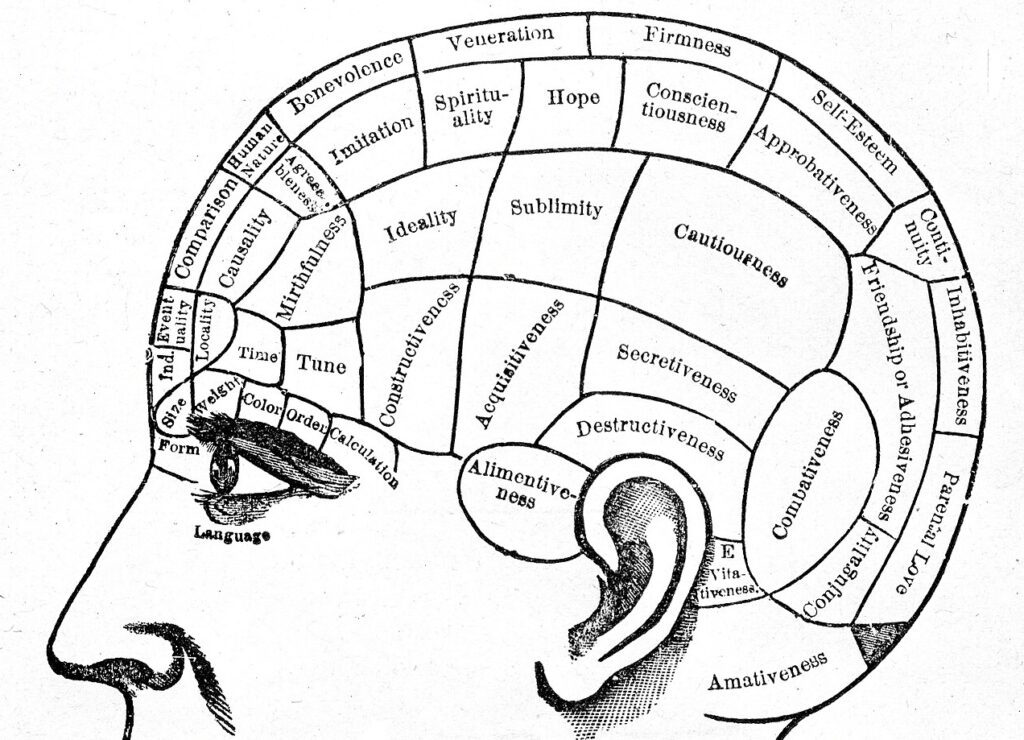
Visiting a doctor who mapped the bumps on a skull to determine if a patient was an honest person, a skilled musician, or a potential criminal was a common occurrence in the 1800s. In the 19th century, millions of people participated in this specific medical evaluation.
A German physician proposed a new method to read human personality, triggering a massive international movement. From royalty to everyday citizens, people flocked to have their heads examined. This specific practice influenced hiring decisions, marriages, and legal systems before modern neuroscience completely dismantled the theory.
Franz Joseph Gall and the Birth of Organology
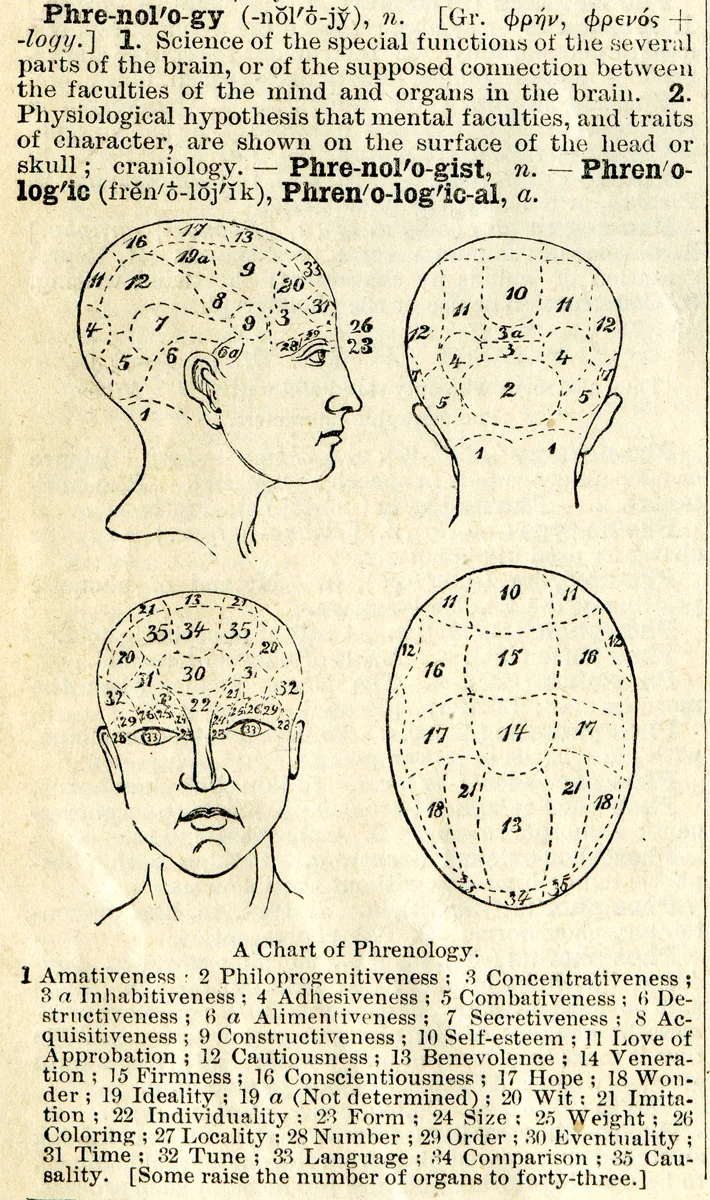
In 1796, German physician Franz Joseph Gall began lecturing on a concept he called organology. Gall hypothesized that the brain was not a single, unified entity, but rather a collection of 27 distinct organs, each responsible for a specific mental faculty.
According to his theory, heavily used brain organs would grow in size, creating measurable bumps on the exterior of the human skull. Gall claimed that by running hands over a person’s head, a practitioner could determine their aptitude for traits like combativeness, secretiveness, or benevolence.
A Global Phenomenon and Popular Psychology
Gall’s collaborator, Johann Kaspar Spurzheim, coined the term phrenology and popularized the practice across Great Britain and the United States. During the 1830s and 1840s, phrenology became a widely accepted form of popular psychology.
The Fowler brothers established a major publishing house in New York City, mass-producing phrenological busts, charts, and journals. Citizens eagerly paid for cranial examinations to guide their career choices and personal lives. Employers required phrenological charts from job applicants, and individuals consulted phrenologists to ensure compatibility with prospective spouses.
The Application of Cranial Measurements
As the movement expanded, various groups utilized phrenological charts to advance specific political and social agendas. Pro-slavery advocates like Charles Caldwell measured skulls to assert that Black individuals possessed inherent faculties of veneration and cautiousness, using these findings to justify enslavement.
Concurrently, some abolitionists referenced the exact same charts to argue that enslaved people were naturally submissive and could safely be freed and integrated into society. Samuel George Morton published craniometry data to argue that Native Americans possessed differently shaped minds, a claim used to justify forced relocations.
The Emergence of Localized Brain Functions
By the middle of the 19th century, empirical research began to dismantle the core claims of phrenology. Scientists like Marie Jean Pierre Flourens and Paul Broca utilized ablation techniques and clinical observations to prove that specific brain functions did not correlate with the exterior shape of the skull.
While Gall’s assertions regarding skull bumps were definitively proven false, his initial hypothesis that specific areas of the brain control localized functions was validated. The study of the brain’s spatial organization continued to develop into the modern field of neuropsychology.