
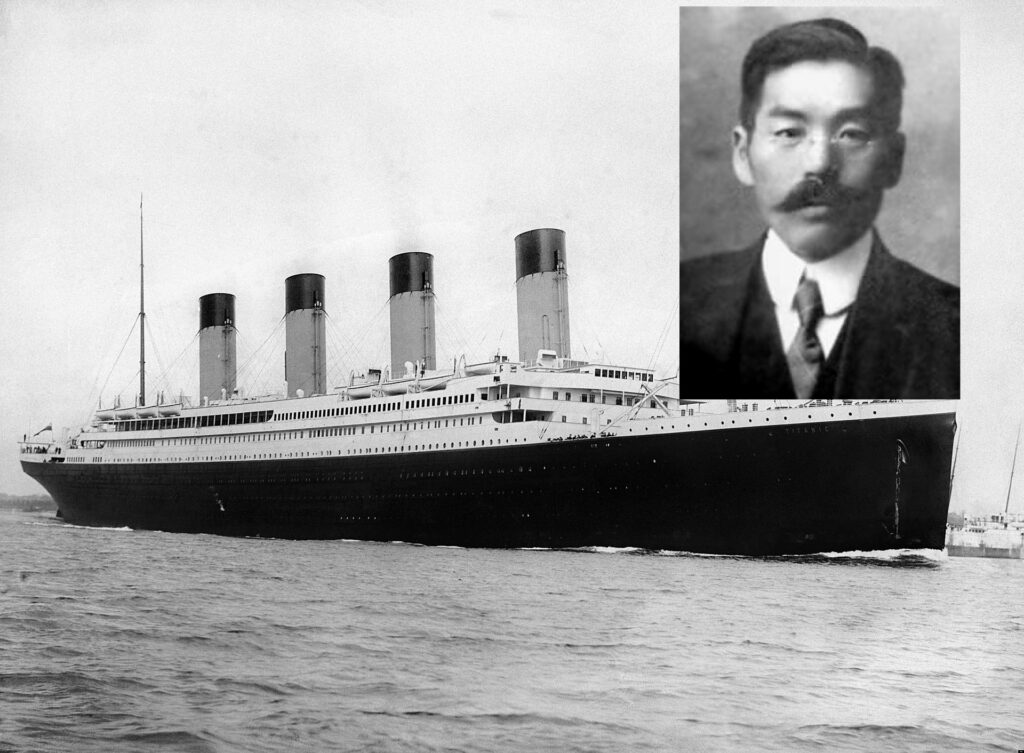
On the freezing night of April 14, 1912, the RMS Titanic struck an iceberg in the North Atlantic Ocean. Among the thousands of passengers scrambling on the sinking vessel was Masabumi Hosono, a forty-one-year-old civil servant and the singular Japanese national aboard the ship.
While he managed to escape the freezing 28 degrees Fahrenheit (-2.2 degrees Celsius) waters and secure a seat on a lifeboat, his physical survival initiated a harsh series of events that drastically altered his life upon his return home.
Escape in the Dark Atlantic
Hosono was asleep in his second-class cabin when the ship collided with the iceberg. Awakened abruptly by a steward, he dressed and rushed outside to the upper decks. As the crew prioritized women and children, Hosono stood on the boat deck watching the lifeboats lower into the ocean.
An officer suddenly shouted that there was room for two more people in a departing lifeboat. After another male passenger jumped into the boat, Hosono seized the opportunity and threw himself into the very last empty seat.
The Journey Back to Tokyo
Following his rescue by the RMS Carpathia, Hosono arrived in New York City. He eventually secured passage to San Francisco and traveled approximately 5,100 miles (8,207 kilometers) across the Pacific Ocean to return to Japan.
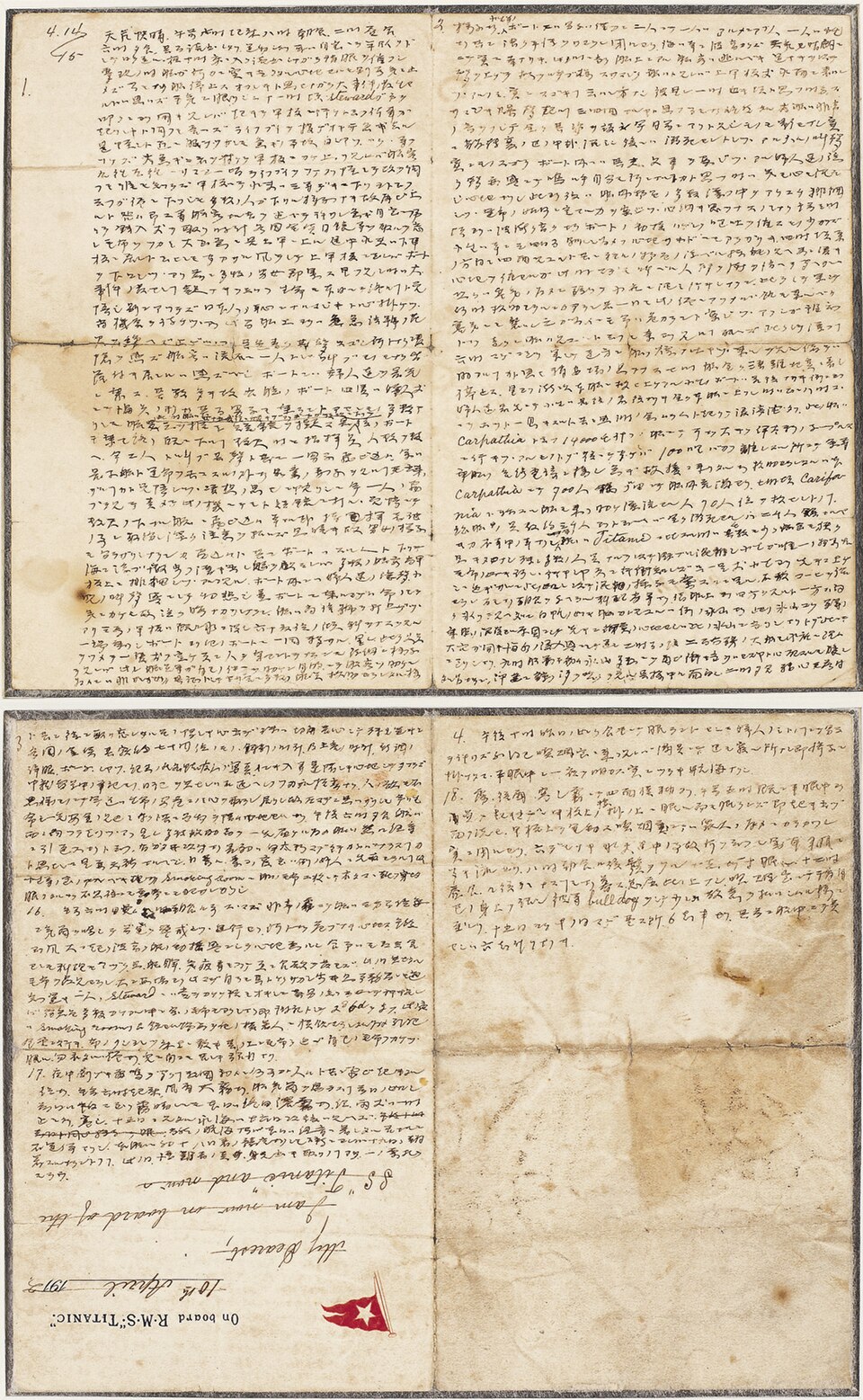
Initially, Japanese newspapers interviewed him and published his detailed accounts of the sinking. He was featured in multiple magazines and local publications as a survivor of the maritime disaster. He wrote a detailed letter to his wife describing the panic he witnessed.
Public Backlash and Dismissal
The public reaction in Japan rapidly shifted. As accounts from other survivors reached Tokyo, Western newspapers began condemning the men who survived while women and children perished in the ocean. The Japanese press adopted this critical stance.
Hosono faced severe public condemnation for not adhering to the traditional values of honor and self-sacrifice. He received numerous letters demanding he take his own life to atone for his survival. Consequently, the government formally dismissed him from his position at the Ministry of Transport in 1914.
A Quiet Conclusion
Despite the intense public backlash, the ministry rehired Hosono shortly after his official dismissal because they desperately needed his technical expertise in the national railway network. He continued to work there quietly until he officially retired.
Hosono never spoke of the Titanic disaster again, maintaining strict silence on the matter with his wife and children. He passed away in 1939. His personal handwritten account of the sinking, drafted on Carpathia stationery, remained hidden among his personal belongings until his family released it decades later.