
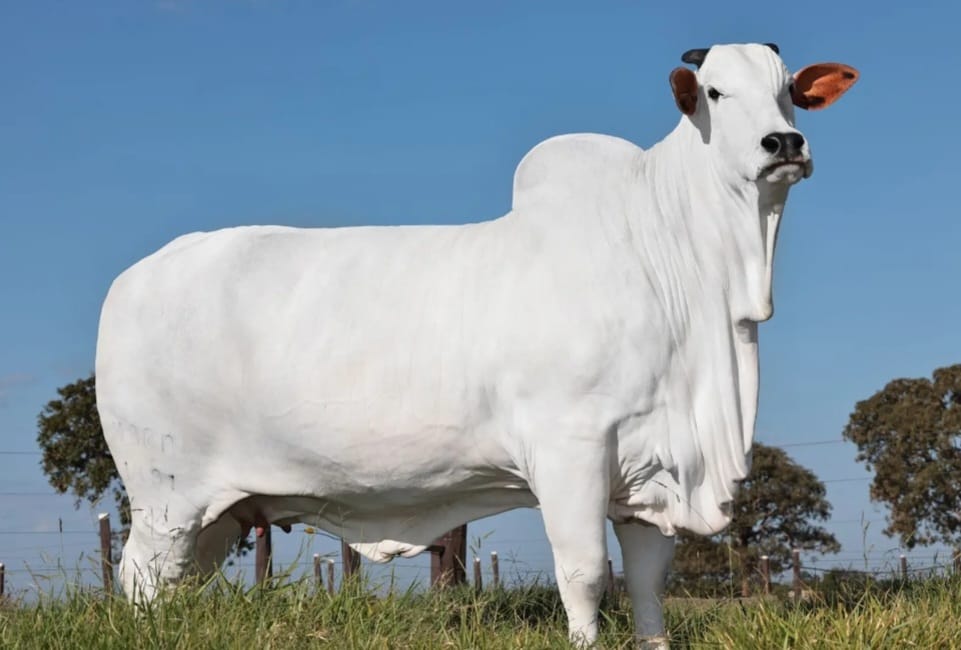
A snow-white bovine weighing over 1,100 kilograms or 2,425 pounds rests under the watch of security cameras, a veterinarian, and an armed guard. Valued at an astounding 4.9 million dollars, she holds the Guinness World Record for the most highly valued cow ever sold at auction.
Her genetics are so highly coveted that ranchers pay massive sums just to harvest her egg cells. This is the reality of elite cattle breeding in Brazil’s agricultural heartland, where science, high-stakes auctions, and global market ambitions intersect to create livestock worth millions.
A Bovine Champion Worth Millions
FIV Mara Imóveis is a Nelore cow. This meat-producing breed of Zebu cattle originally arrived in Brazil from India in the nineteenth century. At 1,100 kilograms or 2,425 pounds, she is twice as heavy as an average adult of her breed. Her owners acquired her through exclusive auctions where wealthy buyers purchase partial ownership. In 2022, Ney Pereira’s company bought a 50 percent stake for almost 800,000 dollars. In 2023, a bidder paid 1.44 million dollars for a 33 percent stake. This latest transaction pushed her total valuation to 4.9 million dollars, making her one of the most expensive cows in the world.
The Lucrative Genetics Industry
Her astronomical price stems from her rapid muscle growth, fertility, and consistent history of passing down desirable characteristics. Breeders extract eggs from elite animals like Viatina-19 to create embryos, which are implanted into surrogate cows. Eager buyers pay approximately 250,000 dollars simply to collect egg cells from this specific cow. She previously won the Miss South America title at the Champion of the World competition in Texas.
Clones and Global Export Plans
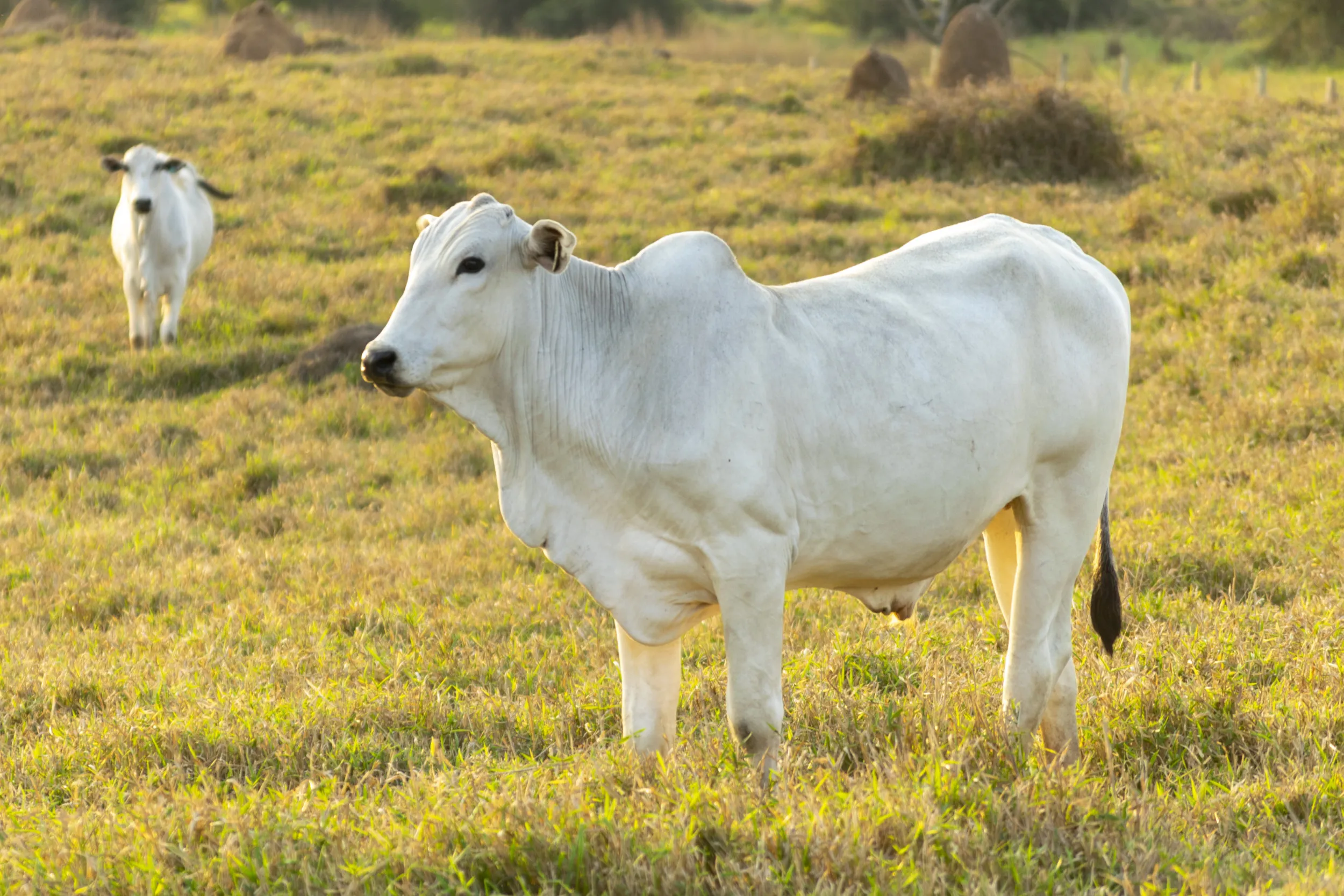
The science surrounding Viatina-19 extends far beyond traditional breeding. At a laboratory in Uberaba, scientists extract DNA from tail hair to create embryos for cloning. Hundreds of surrogates carry cloned embryos on sprawling hills of pasture. Clones of Viatina-19 are due soon. While she is pregnant for the first time, her owners are focusing on the global market. They have sold her egg cells to Bolivia and plan to export them to the United States, India, and the United Arab Emirates. The Brazilian government is also actively working to open new restrictive markets to their beef exports. For instance, the President of Brazil recently urged the Prime Minister of Japan to taste Brazilian meat to promote future imports.
Industry Critics and Controversy
This specialized breeding approach has faced direct criticism. An international cattle judge noted that high-maintenance cows like Viatina-19 cannot meet their energy needs from grass alone, making them unprofitable on a commercial scale. A Texas cattleman also criticized the practice after visiting a Brazilian fair. He stated she was poison for the industry and argued that cattle must remain efficient on grazing grass to feed the world. Despite the pushback, the owners plan to share her genetics worldwide.