
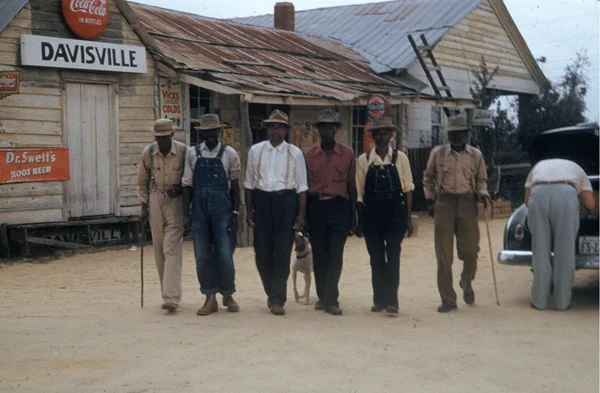
In 1932, the United States government launched a medical experiment involving hundreds of impoverished citizens in Macon County, Alabama, located roughly 64 kilometers (40 miles) east of Montgomery. The men who enrolled were promised free medical care, meals, and burial insurance.
What they actually received was a carefully orchestrated, four-decade-long deception by the United States Public Health Service. This secret operation continued hidden in plain sight, with doctors actively withholding lifesaving medical treatments until a whistleblower finally exposed the classified details to the national press in 1972.
The Promise of Free Health Care
The United States Public Health Service recruited 600 African American men from the rural areas around the Tuskegee Institute. The group consisted of 399 men who already had latent syphilis and a control group of 201 men without the disease.
Government doctors told the participants they were being treated for bad blood, a local colloquialism that encompassed various ailments including anemia and fatigue. The original objective of the study was to observe the natural progression of the untreated disease over a period of six to eight months.
Withholding the Penicillin Cure
The initial timeline expanded indefinitely. By the year 1947, medical professionals established penicillin as the standard, highly effective cure for the disease. The United States government sponsored public health campaigns to eradicate the illness nationwide. However, the directors at the Public Health Service intentionally concealed this medical breakthrough from the Tuskegee participants.
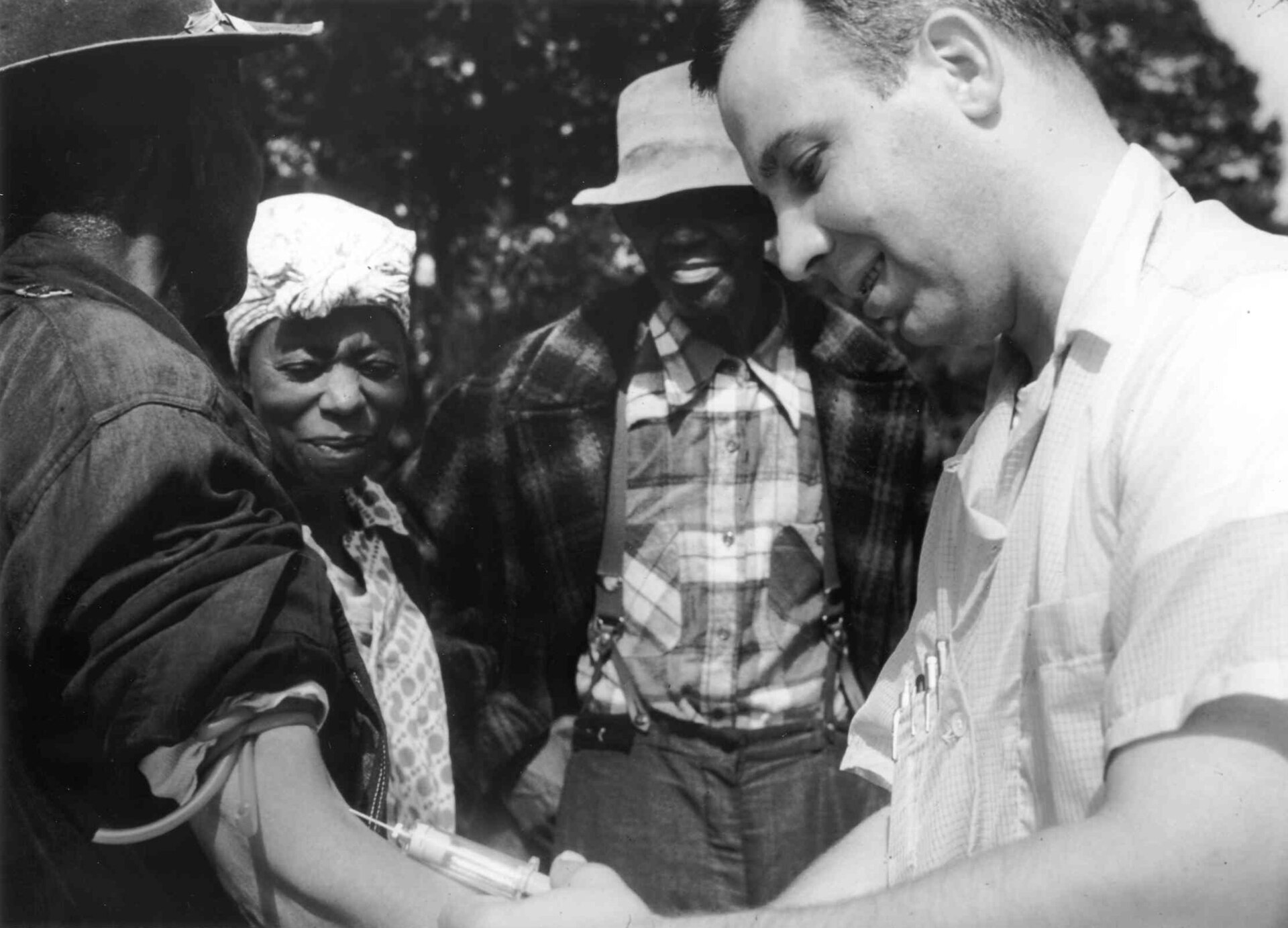
Researchers actively intervened to prevent the subjects from accessing penicillin treatments from other doctors or military draft boards. The men were given placebos and subjected to painful diagnostic procedures, which researchers falsely advertised as special free treatments.
The 1972 Press Leak
The experiment continued undisturbed for forty years. In 1966, Peter Buxtun, a venereal disease investigator for the Public Health Service, filed official protests about the ethics of the operation. His superiors rejected his concerns and ordered the experiment to continue.
In July 1972, Buxtun leaked internal documents to Jean Heller, an investigative reporter for the Associated Press. The story broke on July 25, 1972, making front-page news across the United States. The immediate public outcry forced the Assistant Secretary for Health and Scientific Affairs to appoint an advisory panel.
Official Termination and the Lawsuit
The advisory panel quickly determined that the experiment was medically unjustified. The government officially terminated the study in November 1972. By that time, 28 participants had died directly from the disease, 100 died from related complications, 40 wives had contracted the infection, and 19 children were born with the condition.
In 1973, the NAACP filed a class-action lawsuit on behalf of the surviving participants and their families. The federal government settled the case out of court in 1974 for 10 million dollars and agreed to provide lifetime medical care.