
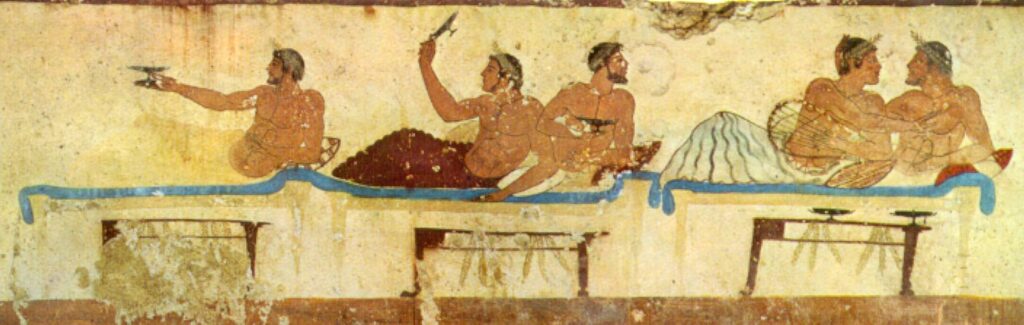
In the dimly lit banquet halls of ancient Greece, the focus often shifted from deep philosophical discussion to a game of precision involving leftover wine. Participants reclined on couches and tested their coordination in a challenge that became a staple of social life for centuries. This activity required both steady hands and a careful eye while guests engaged in competitive play.
The Mechanics of the Symposium Challenge
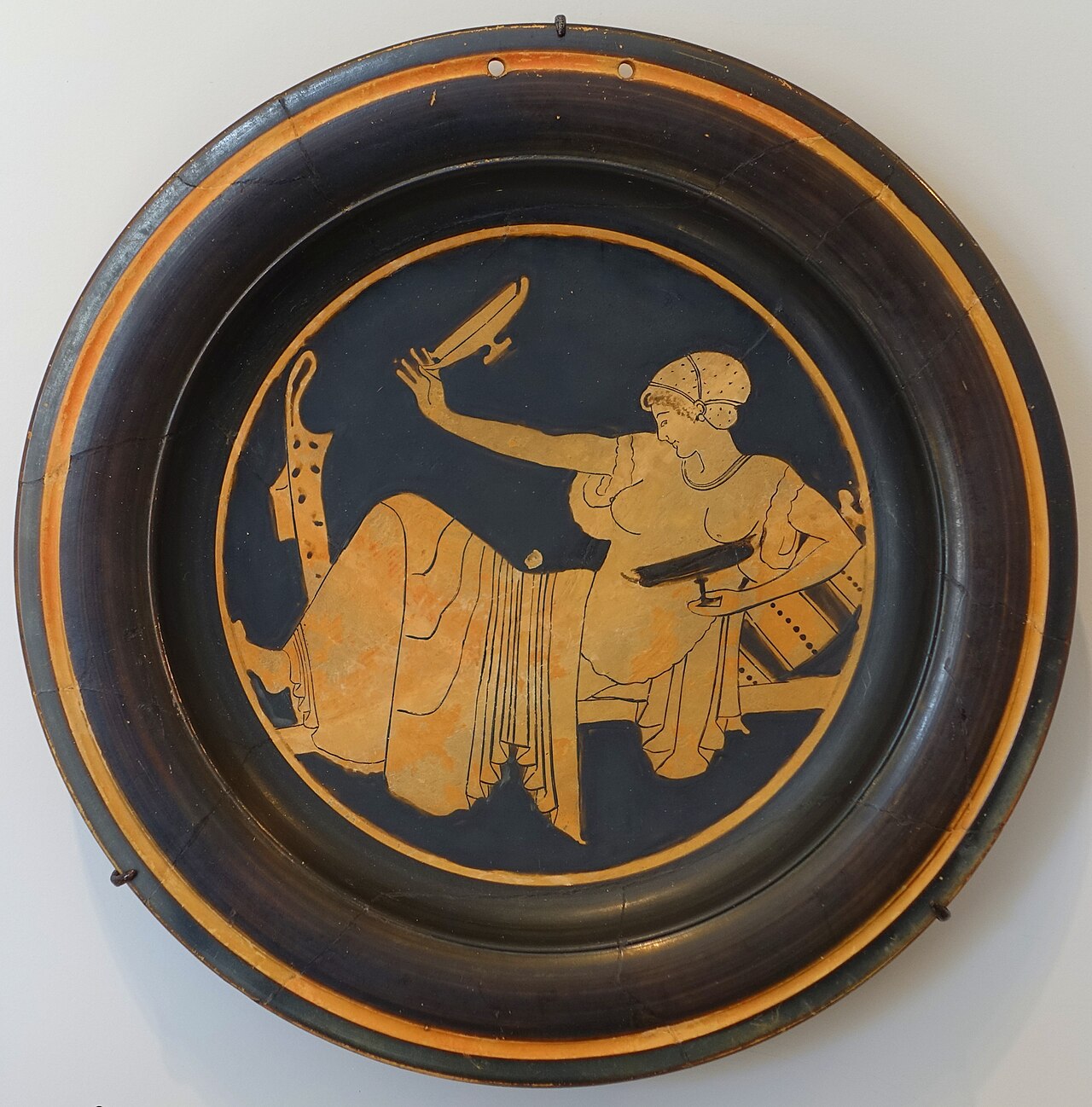
The game, known as kottabos, took place during symposia, which were gatherings dedicated to drinking and entertainment. Players held a kylix, a shallow wine cup with two handles, in their right hand. They would hook one finger through a handle and flick the remaining dregs of wine toward a target across the room.
The distance between the player and the target could reach up to 5 meters (16.4 feet). Success depended on the ability to hit the target with a splash while maintaining a horizontal position on the dining couch.
Targets of the Game
Participants often aimed for a small bronze disc called a platanikon. This disc was balanced on top of a tall rod. When a player successfully struck the disc, it fell onto a lower platform, creating a loud ringing sound that signaled victory. Alternatively, players aimed at small saucers floating in a large water basin.
The goal was to submerge these saucers by hitting them with the wine drops. The difficulty of hitting a small target from a distance of several meters made the game a display of athletic coordination despite the environment.
Divination and Social Stakes
Beyond simple competition, the outcome of the game often carried weight in the personal lives of the participants. Greeks frequently used kottabos as a form of divination regarding their romantic interests. According to common belief, the trajectory of the wine dregs predicted whether a lover would reciprocate one’s feelings.
If the wine hit the target accurately, it indicated a favorable response from the person of interest. Winners of the game frequently received prizes such as cakes, sweets, or kisses.
Historical Reach
Historical evidence shows that kottabos remained popular from the 6th century BCE until the late 4th century BCE. Archaeological findings across the Mediterranean reveal that the equipment used for the game spread far beyond mainland Greece into Etruscan and Italian territories.
The popularity of the sport peaked during the Classical period when it became a central activity in the nightlife of wealthy men. By the Hellenistic period, the practice declined and eventually disappeared from written records.