
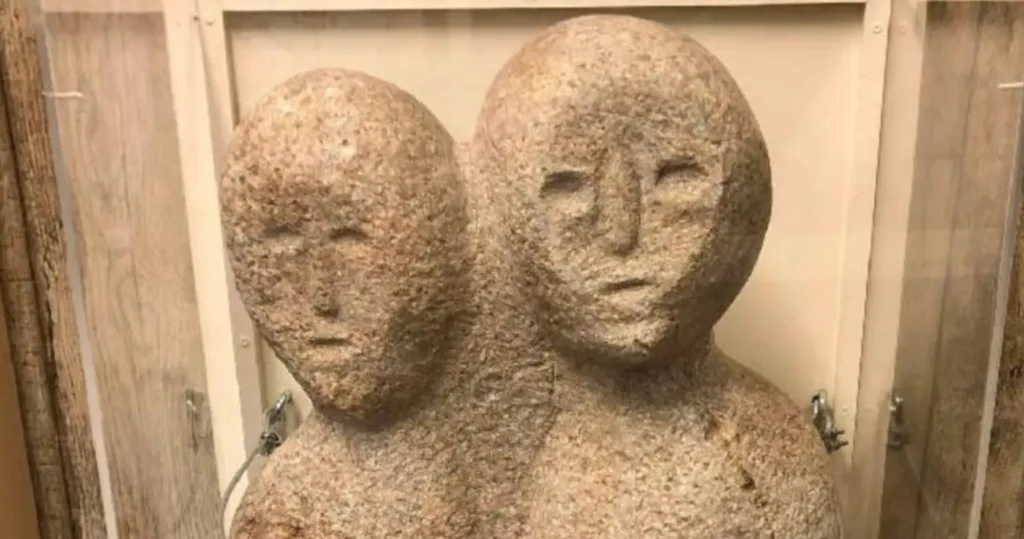
When European settlers arrived in North America during the 18th century, they documented Cherokee accounts of a distinct group known as the moon-eyed people. These individuals inhabited the forests of North Carolina and Georgia.
Described as human, pale, and small with light eyes, they exhibited severe sensitivity to daylight, causing them to sleep during the day and emerge exclusively at night. This historical narrative introduces an intriguing puzzle, as records connect these inhabitants to Welsh settlers arriving in the Appalachian region centuries before Christopher Columbus.
Cherokee Records of the Moon-Eyed People
In 1797, botanist Benjamin Smith Burton wrote that the Cherokee found the moon-eyed people already inhabiting the land when they arrived. Cherokee Chief Oconostota shared similar history in 1782 with Tennessee Governor John Sevier.
He stated ancestors passed down accounts of white men crossing the Atlantic Ocean to land near Mobile, Alabama. The Cherokee eventually expelled these inhabitants, reportedly using the bright illumination of a full moon to attack, exploiting their extreme intolerance to light.
The 1170 Voyage of Prince Madoc
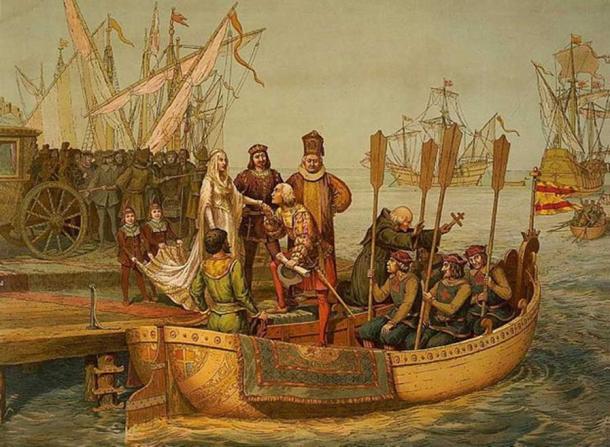
Parallel to Cherokee accounts is a 12th-century narrative regarding Welsh Prince Madoc ab Owain Gwynedd. Fleeing civil war, Madoc and his brother Rhirid sailed west in 1170. Welsh stories state they landed in North America and established a settlement.
Madoc reportedly sailed back to Wales to transport additional settlers across the ocean before both men disappeared from the historical record.
Linguistic Encounters in North America
Chief Oconostota told Sevier that Welshmen built mysterious mounds found in the region. Later European settlers observed cultural and physical parallels with certain indigenous populations, noting pale skin, blue eyes, and stone forts matching Welsh construction.
In 1608, a group of settlers noticed the Monacan language sounded similar to Welsh. They utilized a Welsh-speaking member, Peter Wynne, to serve as an interpreter.
Physical Structures in the Appalachians
Several physical sites exist in the Appalachian foothills that some attribute to this group. At Fort Mountain in Georgia, a large stone wall stretches 900 feet in length. Reaching 12 feet in thickness and seven feet in height, the structure matches European battlements.
While Sevier stated the Welsh built this wall for protection, historians estimate the construction dates to between 400 and 500 C.E. Additionally, a local museum in Murphy, North Carolina, displays a strange stone statue dug up by a 19th-century farmer, depicting two conjoined individuals with flat faces.