
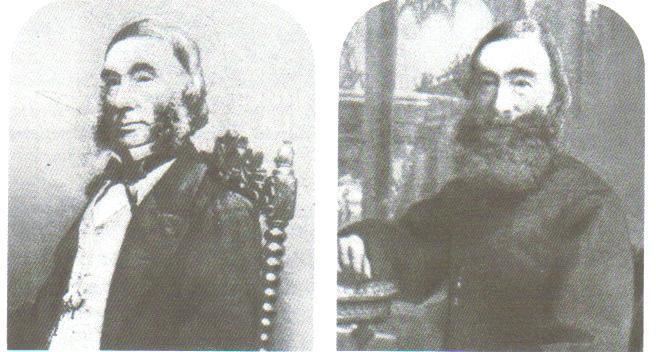
William John Cavendish-Scott-Bentinck, the 5th Duke of Portland, possessed immense wealth and a sprawling English estate. Yet, the nineteenth-century aristocrat chose a life of extreme isolation, avoiding all human contact.
Instead of hosting grand balls, he constructed a massive subterranean network beneath his ancestral home. The true facts of his reclusive existence reveal a man who went to unimaginable lengths to remain completely unseen by the outside world.
Welbeck Abbey’s Vast Subterranean Network
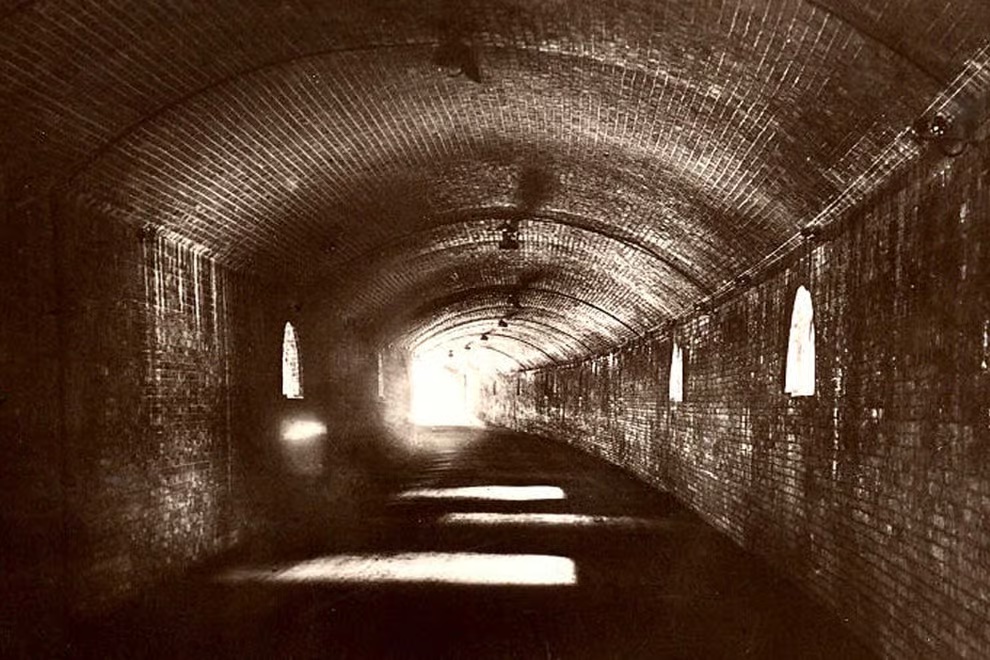
At his Welbeck Abbey estate in Nottinghamshire, the 5th Duke of Portland employed thousands of workers to dig an astonishing complex of underground tunnels and rooms. This subterranean maze stretched for over 15 miles (24.1 kilometers).
The underground additions included a massive ballroom, a library, and a billiard room, all painted pink and lit by thousands of gas jets. A subterranean conservatory featured a glass roof to let in daylight. Despite building these magnificent spaces, he never entertained guests in them.
Extreme Rules for Complete Isolation
The Duke enforced strict protocols to ensure he never crossed paths with his staff. He communicated with his servants exclusively through written notes dropped into double-sided letterboxes installed on his doors. If a worker happened to encounter him on the estate grounds, the strict rule was to completely ignore him.
Acknowledging his presence resulted in immediate dismissal. He received his meals through a heated hatch. His diet consisted largely of roasted chickens, which his kitchen staff kept rotating on a spit so one was always ready to be served.
The Hidden Carriage to London
When the 5th Duke of Portland had to travel to his London residence, Harcourt House, he utilized a highly specialized transportation method to avoid being observed. He boarded his horse-drawn carriage inside his coach house, and the curtains were heavily drawn and sealed shut.
The carriage was then driven through a 1.25-mile (2-kilometer) underground tunnel to the local railway station at Worksop. There, the entire closed carriage was loaded directly onto a specialized railway wagon. Upon arriving in London, the carriage was driven straight into the courtyard of his home before he would finally step out.
Peculiar Attire and Final Years
His wardrobe choices were equally unusual for a Victorian aristocrat. He wore an exceptionally tall top hat, a massive coat regardless of the weather, and tied his trousers at the ankles with common string. He also frequently carried two umbrellas.
William John Cavendish-Scott-Bentinck lived out his final years strictly confined to just four rooms in the vast Welbeck Abbey. These rooms were sparsely furnished and stripped of all decorations. He died in 1879, leaving behind miles of tunnels and empty underground halls.