
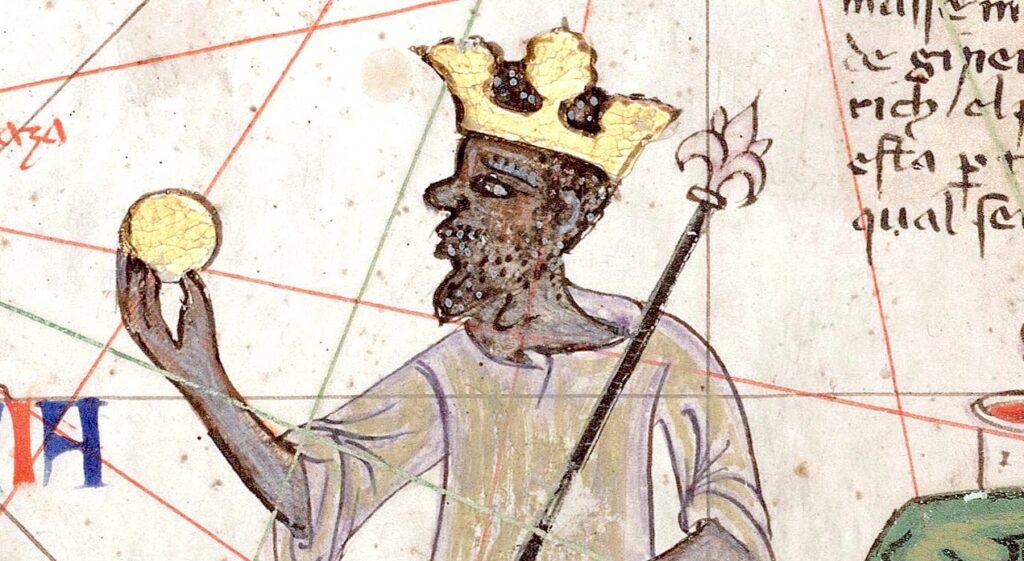
In 1324, a procession of unprecedented size arrived near Cairo, carrying quantities of gold that would soon alter the local economy. At the center of this entourage was Mansa Musa, the ninth ruler of the Mali Empire. Contemporaries described the monarch as inconceivably rich, and modern assessments note that it is impossible to accurately calculate his immense wealth. The sheer scale of the gold he transported along his pilgrimage to Mecca commands attention. The following details trace exactly how this wealth was amassed and spent.
The Origins of an Empire’s Fortunes
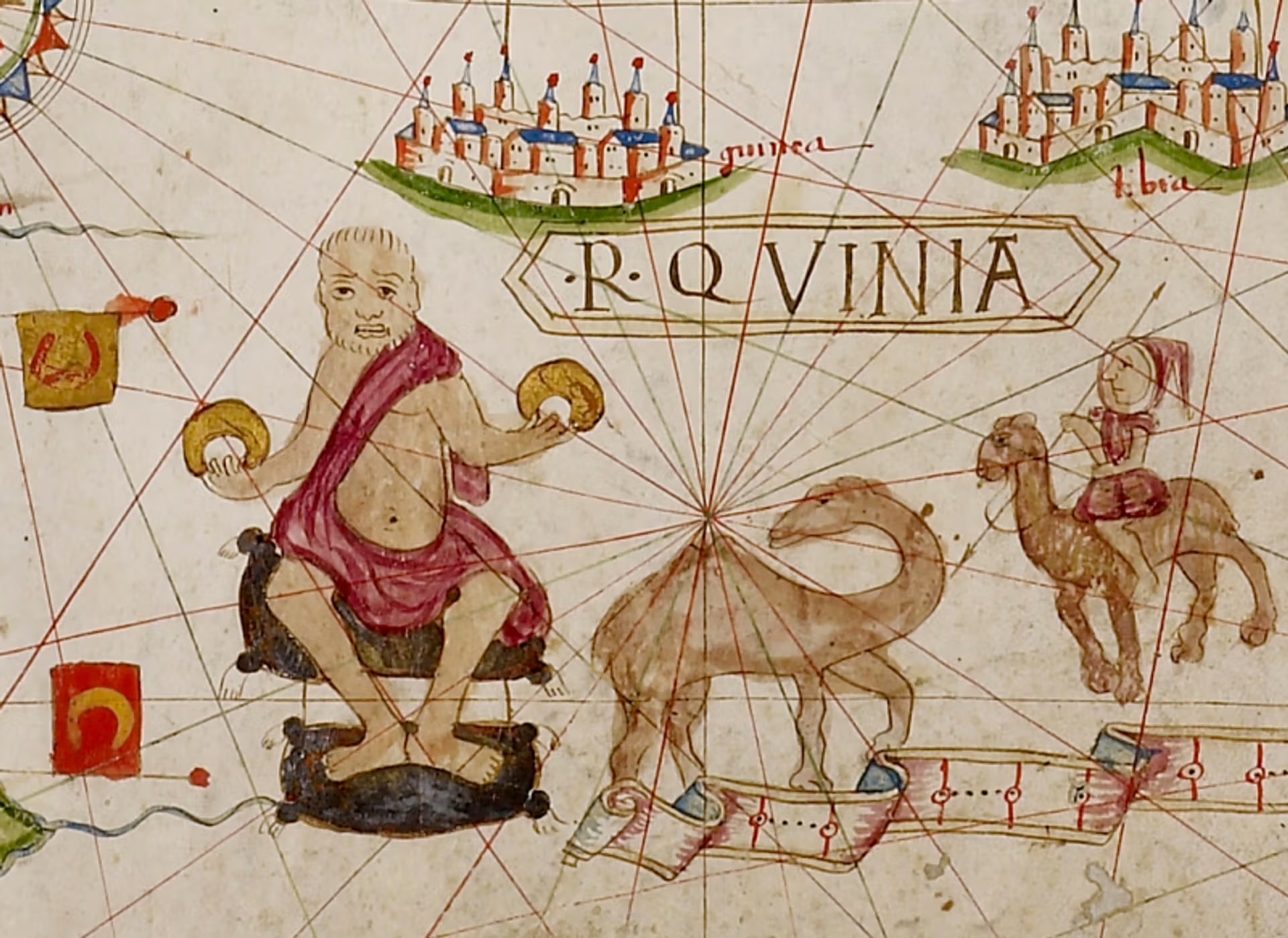
Mansa Musa’s wealth originated from the Mali Empire’s taxation and control over regional trade. The empire taxed the trade of salt from the north and gold extracted from Bambuk and Bure to the south. Over a long period, Mali amassed a massive gold reserve. West Africa supplied two-thirds of the gold circulating within the Medieval Mediterranean, accounting for nearly half of the Old World’s gold supply. Musa further promoted rumors that gold grew like a plant in his kingdom to project an appearance of inexhaustible riches.
A Pilgrimage Paved with Gold
Musa embarked on his hajj to Mecca between 1324 and 1325. Arabic chroniclers reported his procession included 12,000 slaves. Each slave was dressed in brocade and Yemeni silk, reportedly carrying 1.8 kilograms (4 pounds) of gold bars. The caravan included 80 camels, each said to carry between 23 and 136 kilograms (50 to 300 pounds) of gold dust. Along the route, Musa distributed gold to the poor and the cities he passed through, reportedly financing a new mosque every Friday.
Economic Impact on Mamluk Egypt
In July 1324, Musa and his entourage entered Cairo, staying for three months. The Malian pilgrims spent freely and gave numerous gifts. According to Arabic writers, this extensive distribution of gold caused a depreciation in its value. Before Musa’s arrival, a mithqal of gold was valued at 25 silver dirhams in Egypt. Following his visit, the value dropped to under 22 dirhams and remained there for at least twelve years.
Depleted Funds and Borrowed Wealth
Despite his vast fortunes, Musa depleted his funds during his journey. On the return trip, his caravan was struck by catastrophe, losing supplies near Suez. Having run out of money, Musa was forced to resell items purchased before the hajj. He went into debt, borrowing money from Egyptian merchants at high rates of interest. Sources conflict regarding whether these moneylenders were ever fully or partially repaid.