
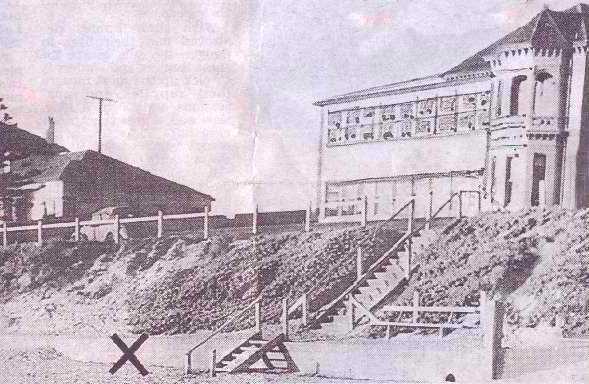
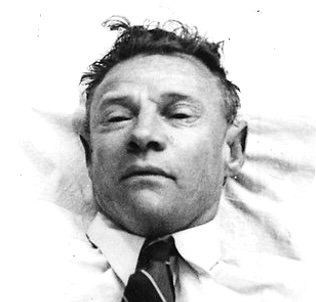
On a crisp December morning in 1948, two people strolling along an Australian beach stumbled upon a sharply dressed corpse propped against a seawall. He had no identification, the labels were meticulously cut from his clothing, and a hidden pocket held a torn scrap of paper reading “Tamám Shud”—Persian for “It is finished.”
For over seven decades, this unidentified body sparked intense global speculation involving undetectable poisons, Cold War espionage, and an unbreakable code. Decades later, modern DNA testing finally cracked the case.
The Beach, the Suitcase, and the Missing Labels
Authorities found the man on Somerton Park beach in Adelaide with a half-smoked cigarette resting on his collar. He carried no wallet. An autopsy revealed severe internal congestion, leading experts to suspect a lethal, highly untraceable dose of a drug like digitalis.
Weeks later, detectives located an abandoned brown suitcase at the Adelaide railway station. Inside, they found clothing with all maker’s tags cleanly removed. Three items bore the name “Keane,” but a nationwide search found no missing person by that name.
The “Tamám Shud” Scrap and a Hidden Code
The investigation shifted drastically when pathologists found a tightly rolled piece of paper sewn deep inside the dead man’s trousers. The printed words “Tamám Shud” were traced to a rare copy of the Rubaiyat of Omar Khayyam.
A local man soon handed police the exact book the page was torn from, which he had found discarded in his car. Under ultraviolet light, the back cover revealed indented handwriting: a series of scrambled letters resembling a code, and a local telephone number.
A Nurse’s Number and Decades of Dead Ends
The phone number belonged to Jessica Thomson, a nurse living merely 400 metres from where the body was discovered. When police interviewed her and presented a plaster cast bust of the deceased, she appeared completely taken aback, almost fainting, yet firmly denied knowing him.
She admitted giving a copy of the Rubaiyat to a soldier named Alf Boxall years earlier, but Boxall was later found alive with his book intact. The scrambled letters remained undeciphered, and the man was buried under a nameless tombstone.
DNA Finally Unmasks Carl “Charles” Webb
In July 2022, University of Adelaide professor Derek Abbott and genealogist Colleen M. Fitzpatrick extracted DNA from hairs trapped in the police’s 1949 plaster bust. Using genetic genealogy, they identified the man as Carl “Charles” Webb, a Melbourne electrical engineer born in 1905.
Webb had a documented history of severe depression, a fascination with poetry regarding death, and an estranged wife he had tracked to South Australia. Furthermore, his brother-in-law’s last name was Keane, explaining the unusual tags left inside the railway suitcase.