
A saber strike to the chest during the American Civil War nearly killed John Stith Pemberton. Instead, the grievous wound sent the pharmacist down a path of crippling drug addiction that ultimately resulted in the creation of the most famous soft drink in history.
Before Coca-Cola became a global beverage brand, it was a desperate man’s attempt to cure his own opioid dependency using a mix of cocaine, wine, and caffeine in the late nineteenth century.
From the Battlefield to Morphine Dependency
Before serving in the Third Georgia Cavalry Battalion as a Confederate soldier, Pemberton made his living as a chemist and pharmacist. He was also a slave owner. He studied at the Reform Medical College in Macon, Georgia, where he became a licensed practitioner of Thomsonian medicine.
This specific medical field relied heavily on botany and herbalism to rid the body of toxins. He eventually earned a pharmacy degree in Philadelphia shortly before the Civil War began in 1861. In April 1865, he fought at the Battle of Columbus and sustained a severe slash to his chest. Caretakers treated his agonizing pain with morphine. Pemberton survived the battle, but he emerged with a severe addiction to the powerful opioid.
Brewing Pemberton’s French Wine Coca
Relying on his extensive background in chemistry and herbalism, Pemberton set out to find a botanical cure for his own addiction. He began experimenting with various plants and herbs. His trials heavily featured the coca leaf, which serves as the raw material for cocaine.
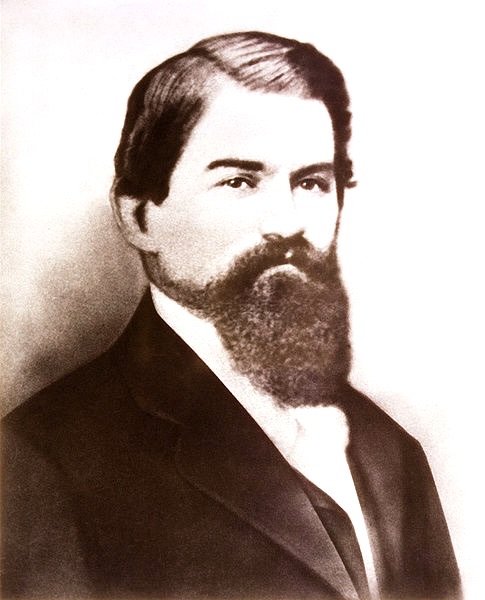
He mixed these coca leaves with wine and caffeine-rich kola nuts. Pemberton called his new concoction Pemberton’s French Wine Coca. He advertised the beverage as a painkiller, an anti-depressant, and an aphrodisiac. The drink successfully eased the severe withdrawal symptoms of his opioid habit and achieved almost immediate commercial success among the general public.
Prohibition and a Carbonated Accident
Two decades later, local laws threatened his booming enterprise. Atlanta County announced a strict prohibition on buying, selling, or producing alcohol. Facing the loss of his business, Pemberton altered his recipe in 1886. He removed the wine entirely and replaced it with a sugary syrup to comply with the new laws.
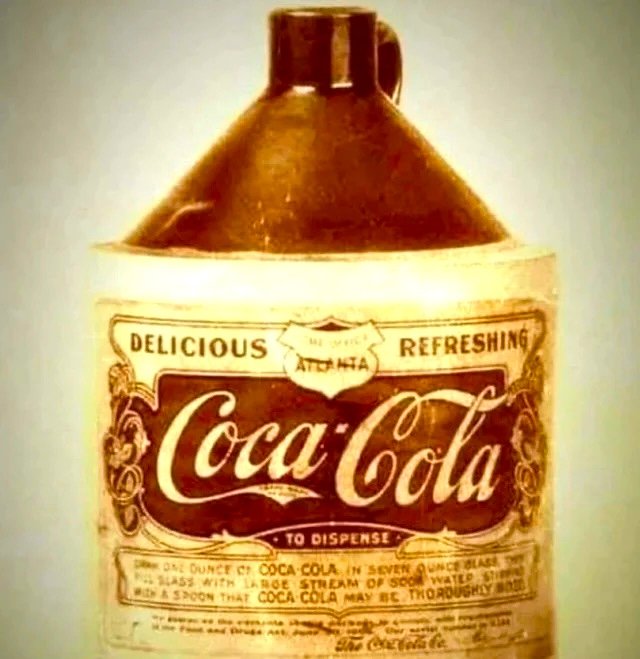
Working alongside his longtime friend Willis E. Venable, he rebranded the syrup as Coca-Cola. The two men originally intended to sell it strictly as a medicine. However, they accidentally mixed the thick syrup with carbonated water. Rather than throwing the batch away, they decided to market the fizzy concoction as a refreshing soft drink.
Losing the Coca-Cola Fortune
The new formula failed to cure the inventor. Substituting morphine with cocaine provided only a brief reprieve, and his severe morphine habit soon returned. The heavy addiction drained his health and his entire life savings. The sudden shift from a medicinal elixir to a soft drink also struggled initially, forcing Pemberton to sell off the rights to his creation to various business partners just to make ends meet.
John Pemberton died of stomach cancer in 1888, completely broke and heavily addicted to drugs. He left his remaining shares to his only son, Charles. Charles also suffered from a morphine addiction and died just six years after his father, missing out on the tremendous popularity the beverage would soon achieve.