
In the late 1960s, Kim Jong-il possessed an obsession with international cinema. He amassed a secret library of 15,000 bootleg films, favoring James Bond and Rambo. When his father, North Korean leader Kim Il-sung, put him in charge of the country’s Motion Picture and Arts Division, the younger Kim found his local crews lazy and untalented.
To solve his production problems and create worldwide propaganda, he hatched an elaborate plot: kidnap the most famous film director and actress in South Korea, imprison them, and force them to direct a giant monster movie.
The Abduction of South Korea’s Cinema Stars
Kim set his sights on Shin Sang-ok, a highly respected South Korean director who had recently lost his studio. To bait the trap, Kim targeted Shin’s ex-wife, famous actress Choi Eun-hee. In 1978, North Korean agents lured Choi to Hong Kong with a forged offer to direct a new project.
Upon arrival, she was chloroformed and transported to Pyongyang. When Shin traveled to Hong Kong to search for his missing ex-wife, operatives captured him as well.
Prison Camps and Propaganda Productions
While Choi was held in isolation, Shin attempted to escape multiple times. His failures resulted in a four-year sentence at a political prison camp, living on a diet of grass, salt, and rice while undergoing strict ideological indoctrination. In 1986, Kim finally deemed Shin ready to cooperate. He brought the director to a meeting and reunited him with Choi.
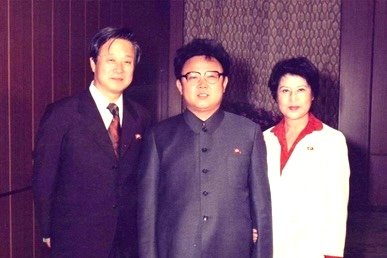
Neither knew the other was alive. Secretly recorded by Choi, Kim instructed the couple to produce films for the regime and claim they sought asylum to escape the South Korean government. Shin agreed, and the two remarried on Kim’s orders.
Pulgasari: A Communist Monster Movie
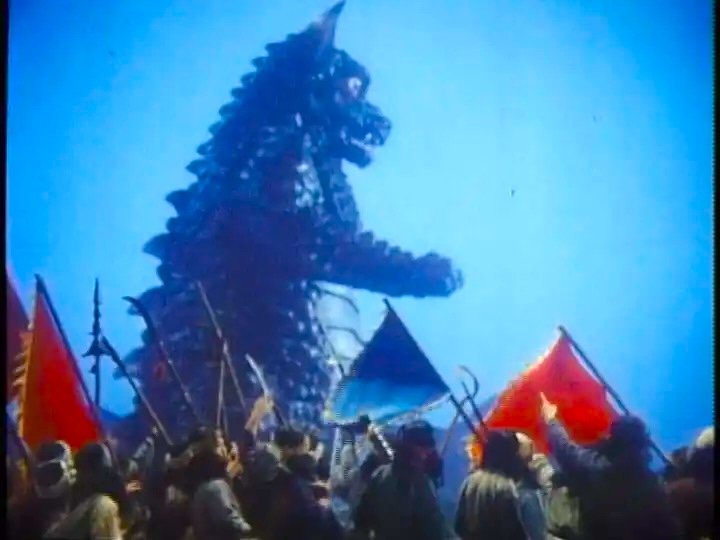
Kim provided the couple with immense luxury while they produced seven films. The most bizarre production was the 1986 movie Pulgasari. The plot follows an iron-eating monster molded from rice and blood that helps farmers overthrow an emperor, only to turn against the farmers out of endless hunger.
To achieve the required special effects, Kim’s agents tricked the Japanese crew behind the original Godzilla movies into traveling to North Korea under the guise of a Chinese production. They created a rubber puppet that fought on screen in a highly disjointed final cut.
A Daring Escape in Vienna
Pulgasari became a domestic hit, prompting Kim to seek foreign distributors. Later in 1986, Shin and Choi traveled to Vienna, Austria, to negotiate with international executives. Aided by a Japanese film critic, the couple evaded their North Korean supervisor and fled to the American embassy, where they received political asylum.
Outraged, Kim immediately pulled the monster movie from domestic theaters. It remained hidden until 1998, when a brief period of diplomatic openness allowed international audiences to finally watch the film that required two kidnappings to create.