
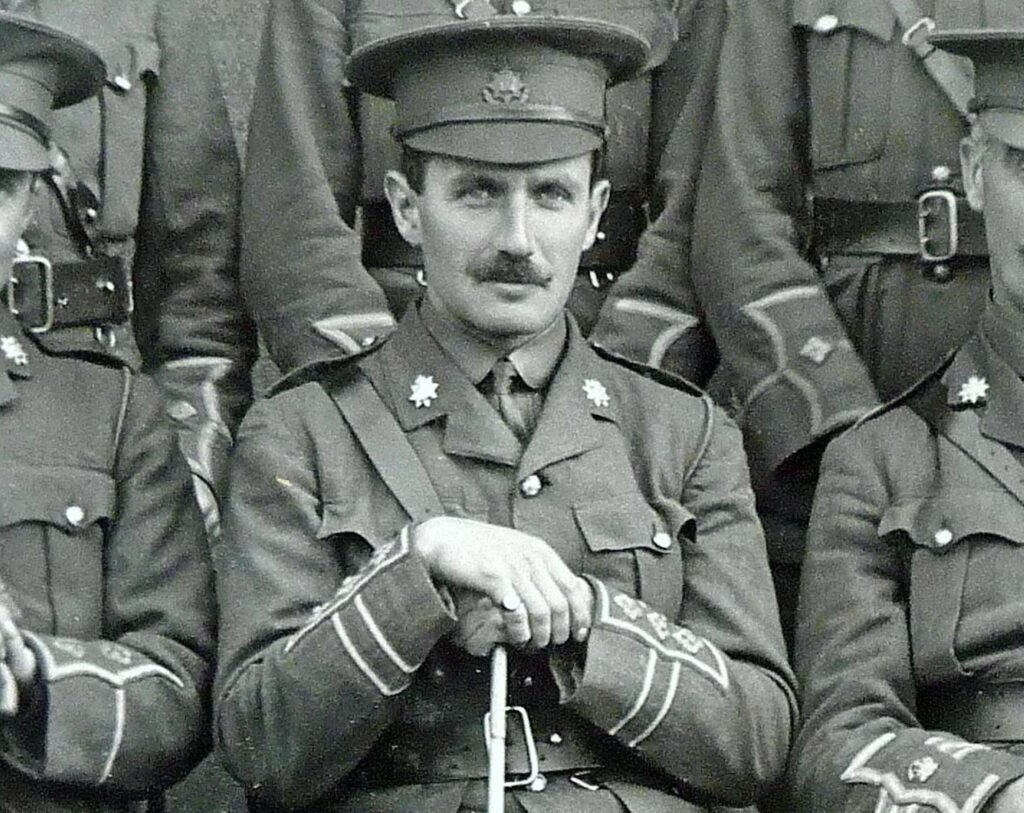
In the middle of World War I, a captured British officer made an unprecedented request to the German Emperor. He asked for permission to leave his prisoner-of-war camp to visit his dying mother in England. Surprisingly, Kaiser Wilhelm II agreed, but on one strict condition: the soldier had to promise to come back to his prison cell. What happened next remains a highly unusual event in military history.
Captured at the French Border
In 1914, German forces captured British Army Captain Robert Campbell just outside of France. He sustained injuries during the attack and was transported to a military hospital in Cologne for medical treatment. Afterward, authorities transferred him to a prisoner-of-war camp in Magdeburg, Germany.
He lived inside the compound for two years before receiving news from home. His mother had developed cancer and was not expected to live much longer. The 29-year-old captain wrote to Kaiser Wilhelm II, asking for a temporary release to see her.
The Kaiser’s Strict Condition
As a prisoner of war, Campbell did not anticipate a positive reply. However, Kaiser Wilhelm II personally granted the request. The emperor established a single stipulation: Campbell had to give his word as a military officer that he would return to the Magdeburg camp for the remainder of the war once the visit concluded.
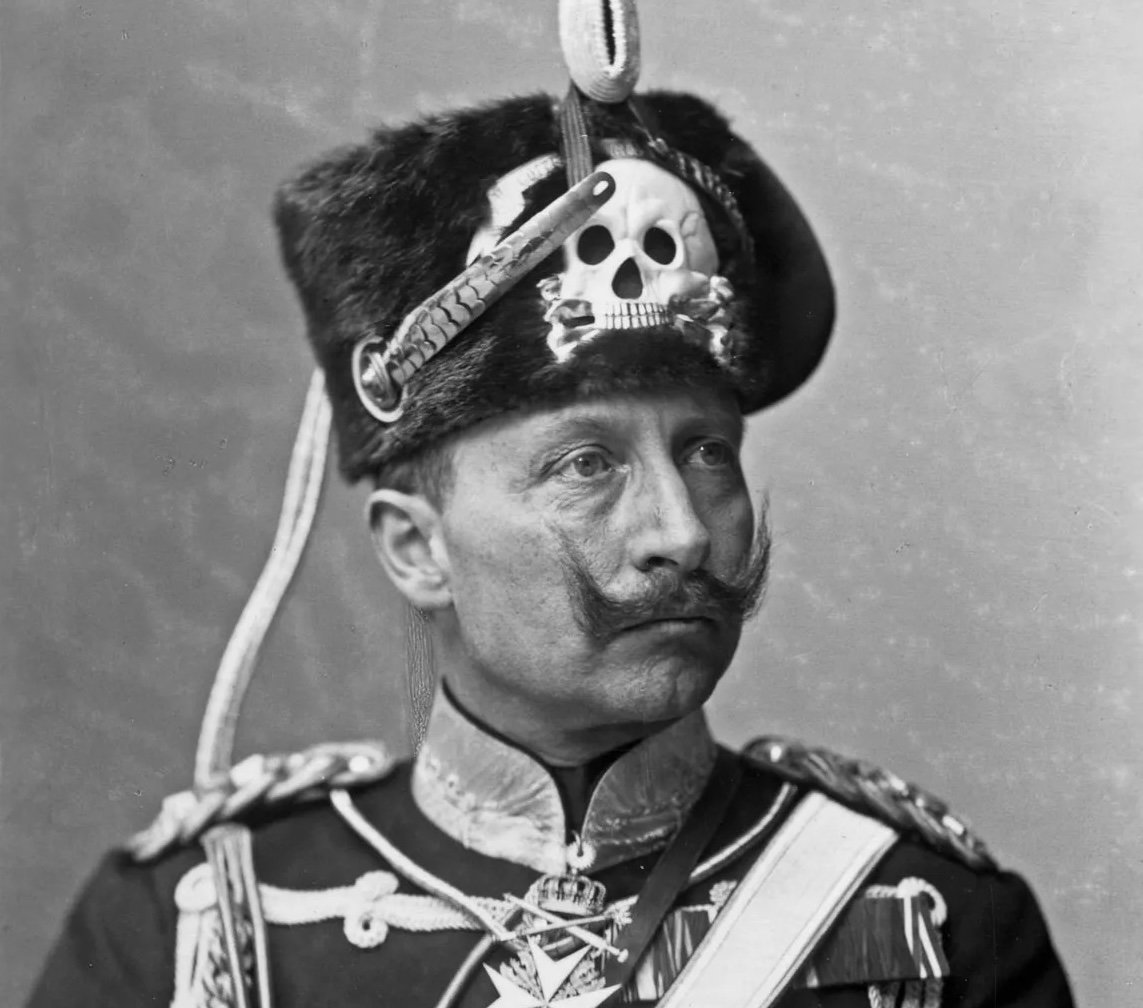
Campbell agreed to the terms. The German military allowed him to travel across the continent to his hometown of Gravesend in Kent. He spent exactly one week at his mother’s bedside.
A Promise Kept and an Escape Attempt
Once the week ended, Campbell traveled back to Germany and checked himself into the Magdeburg POW camp. Historians note that the German command did not expect him to honor the agreement, and he likely would not have faced retribution if he had stayed in England.
He told his fellow inmates he returned strictly out of a sense of duty and honor. His mother died a few months later. Soon after her death, Campbell and a group of prisoners began digging a tunnel out of the camp. They successfully broke out and reached the border of the Netherlands before German guards recaptured them and sent them back to Magdeburg.
The Aftermath of an Unprecedented Deal
Historical records indicate this was the first successful compassionate release of a POW during the conflict. When a German soldier named Peter Gastreich, imprisoned on the Isle of Man, later petitioned the British Prisoners of War Department to visit his dying father, the British government denied the request.
Captain Campbell remained in the Magdeburg camp until the end of World War I. He returned to England and retired, but re-enlisted in his former regiment at the outbreak of World War II. Following his second tour of service, he moved to the Isle of Wight, where he lived quietly until his death at age 81.