
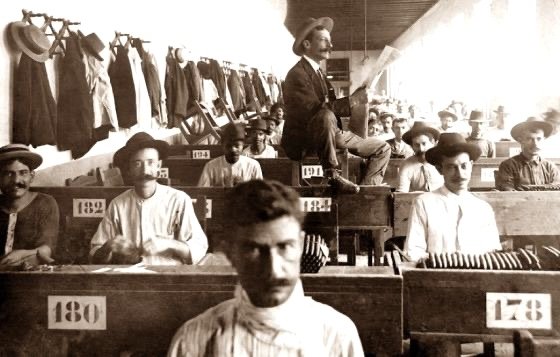
Every morning inside Havana’s La Corona factory, scores of workers rolling Montecristo, Cuaba, and San Cristobal cigars listen to one voice from a wooden stage. If the torcedores like what they hear, they rattle their cutters. If they do not, they may drop them to clatter on the floor. Known as a lector, this job was started by Cuban cigar workers themselves in 1865, and it went on to draw political bans, become part of union advocacy in Florida, and survive in Cuba through factory-floor votes.
How Cigar Rollers Created the Lector in 1865
Historians trace the practice to about 1865 at the El Figaro factory in Cuba, where workers chose a colleague to read aloud to relieve boredom. To cover the missing worker’s output, the rollers promised to produce extra cigars, and later chipped in to pay a salary. Factory owners resisted at first, yet the custom spread across Cuba and into Cuban communities in the United States, including Ybor City in Tampa, Florida. By legend, cigars such as Montecristo and Romeo y Julieta got their names from books read aloud as they were rolled.
Political Bans, José Martí, and the 1931 Tampa Strike
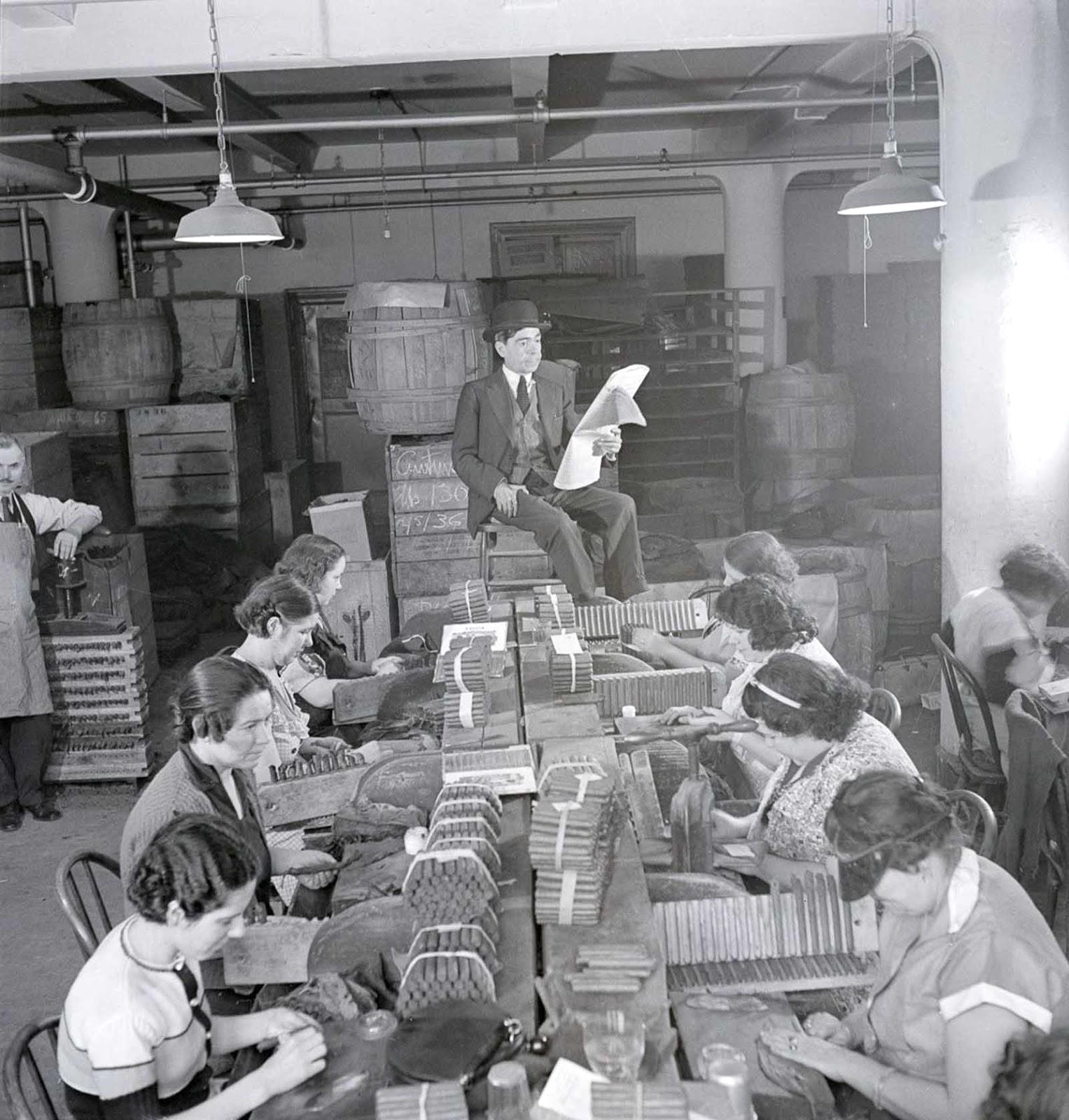
Lectors read newspapers and left-wing publications, giving rollers a way to educate themselves and engage in union advocacy. At the end of the 19th century, readings supporting Cuban independence drew temporary bans. Independence leader José Martí once took a turn in the reader’s chair to deliver a speech to emigrant Cuban tobacco rollers at a factory in Florida. In the United States, the lector job came to an end after the Ybor City cigar makers’ strike of 1931.
Winning a 20-Day Vote at Havana’s La Corona Factory
In Cuba, more than 200 readers remain on staff at state-owned factories, where workers still elect the readers and vote on what gets read. In 1996, radio announcer Odalys de la Caridad Lara Reyes, then a mother of two small children, heard about an opening at La Corona. She applied and tried out alongside two men. “We spent 20 days reading … and when the vote came, the workers elected me as the factory reader,” she said.
From Victor Hugo to Pandemic News on the Stage
Seated at a podium near a Cuban flag, Lara usually reads novels, favoring Victor Hugo and Gabriel Garcia Marquez, along with cafeteria menus and birthday announcements. During the COVID-19 pandemic, frequent absences from quarantine and childcare made following a novel day to day impossible, so she switched to news on COVID-19 therapies, migrant repatriations, and the Tokyo Olympics. She said her hardest days came in 2016 while reading accounts of former President Fidel Castro’s death. “If I am born again, I would be a reader again, because through this profession I have learned in all areas,” she said.