
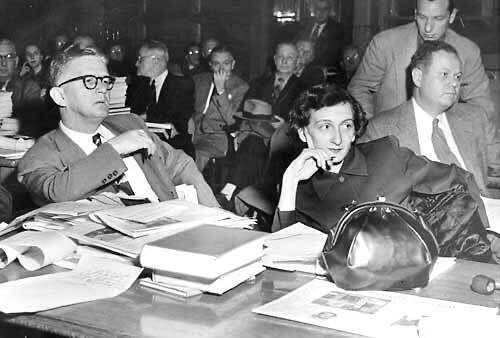
In 1954, a Kentucky journalist bought a suburban home and deeded it to a Black family. Soon after, someone bombed the house, and prosecutors charged the journalist with sedition instead. Over the next 13 years, Carl Braden faced a 15-year prison sentence, a U.S. Supreme Court ruling, a clemency drive led by Martin Luther King Jr., and a second sedition charge that struck down a state law.
The 1954 Shively House Bombing
Born in New Albany, Indiana, in 1914, Carl Braden reported for The Cincinnati Enquirer, The Louisville Times, and The Courier-Journal. In 1948, he married fellow journalist Anne Gambrell McCarty. After backing Henry Wallace’s 1948 presidential run, they wrote for the union representing Louisville’s International Harvester employees.
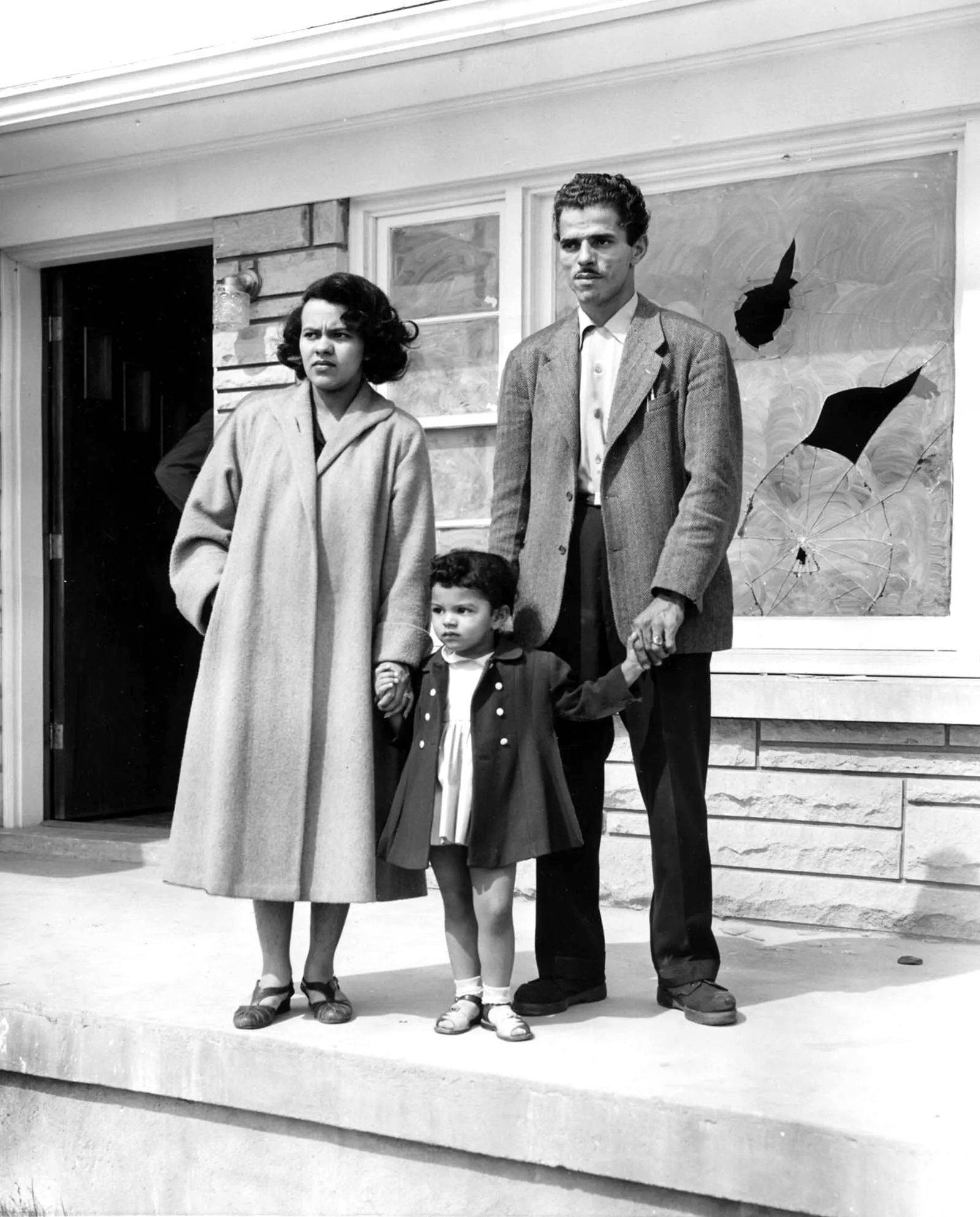
In 1954, Andrew and Charlotte Wade, an African-American couple, could not buy a suburban home due to housing discrimination. Carl and Anne purchased a house in Shively, an all-white suburb near Louisville, and deeded it to the Wades. Rocks smashed the windows, a cross burned out front, and gunshots hit the house. Explosives then detonated under the bedroom of the Wades’ young daughter, destroying the home and driving them out.
The Kentucky Sedition Trial and Record Bond
Housing discrimination in Louisville had been illegal since the 1917 Supreme Court ruling in Buchanan v. Warley. Yet no charges were filed over the rocks, cross burning, or gunfire. Instead, authorities charged Carl Braden with sedition over an alleged communist plot to spark a race war, and charged a Wade family friend with staging the bombing. Braden denied any plot and denied ever joining the Communist Party.
On December 13, 1954, Braden was convicted and sentenced to 15 years in prison. The Courier-Journal fired him immediately. He served seven months before his release on a $40,000 bond, Kentucky’s highest to that date, and his conviction was later overturned. Anne Braden documented the ordeal in The Wall Between (1958), a National Book Award runner-up featuring a blurb from Eleanor Roosevelt.
Supreme Court, Prison, and Overturning a State Law
Summoned before the House Un-American Activities Committee, Braden refused to answer questions, citing the First Amendment. In Braden v. United States (1961), the Supreme Court upheld his conviction. On April 30, 1961, the day before Braden and Frank Wilkinson entered jail, Martin Luther King Jr. attended a Southern Christian Leadership Conference reception honoring them. King led a clemency drive, and Braden served nine months of his one-year sentence.
Blacklisted from Kentucky jobs, Carl and Anne became field organizers for the Southern Conference Educational Fund and wrote for The Southern Patriot. In 1967, both faced sedition charges again after protesting strip-mining in Pike County. Challenging Kentucky’s sedition law in federal court, they got the statute ruled unconstitutional. Carl Braden died of a heart attack in Louisville on February 18, 1975.