
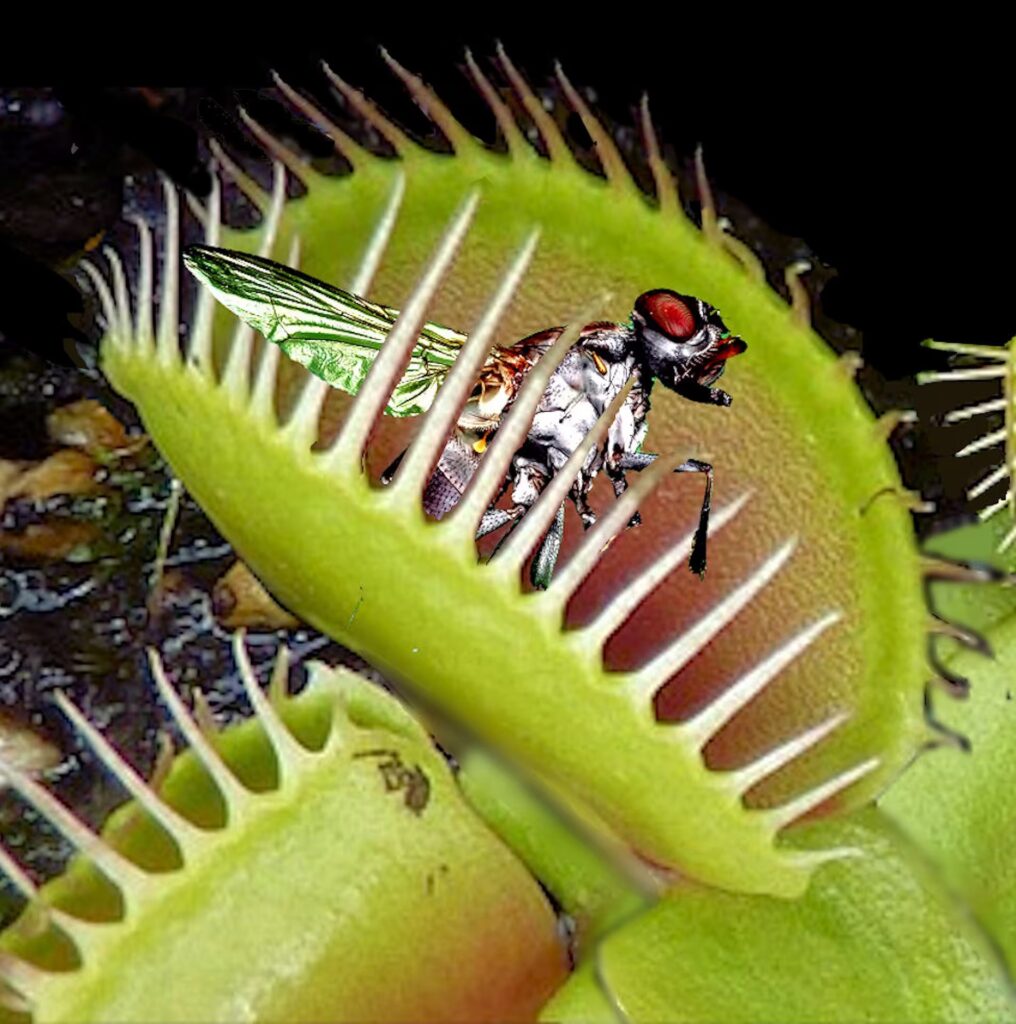
While plants appear motionless and passive to the human eye, their internal biological systems are constantly performing complex calculations to ensure their survival.
Recent scientific discoveries have revealed that certain species, including the carnivorous Venus flytrap and the humble thale cress, utilize forms of arithmetic to make life-or-death decisions. These botanical computations allow them to distinguish between false alarms and real prey, as well as ration their energy reserves through long, dark nights.
The Venus Flytrap’s Deadly Addition
The Venus flytrap (Dionaea muscipula) is a carnivorous plant that hunts by counting. Biophysicist Rainer Hedrich at the University of Würzburg demonstrated that the plant uses electrical signals to distinguish between a drop of rain and a struggling insect.
When a trigger hair is touched once, the trap remains open. This first signal sets a timer. If a second touch occurs within roughly 20 seconds, the trap snaps shut in one-tenth of a second. This “count to two” mechanism prevents the plant from wasting energy on false alarms or debris that holds no nutritional value.
Calculating the Cost of a Meal
The arithmetic continues after the cage closes. As the trapped prey struggles, it bumps the trigger hairs again. The plant counts these additional stimuli to determine the size of the meal. After three touches, the plant produces jasmonic acid, a hormone that primes the digestion process.
At five touches, the glands on the inner surface begin secreting digestive enzymes and sodium transporters activate to absorb nutrients. The number of struggles directly determines the amount of acid produced, ensuring the plant only spends energy proportional to the actual catch.
The Nighttime Division of Starch
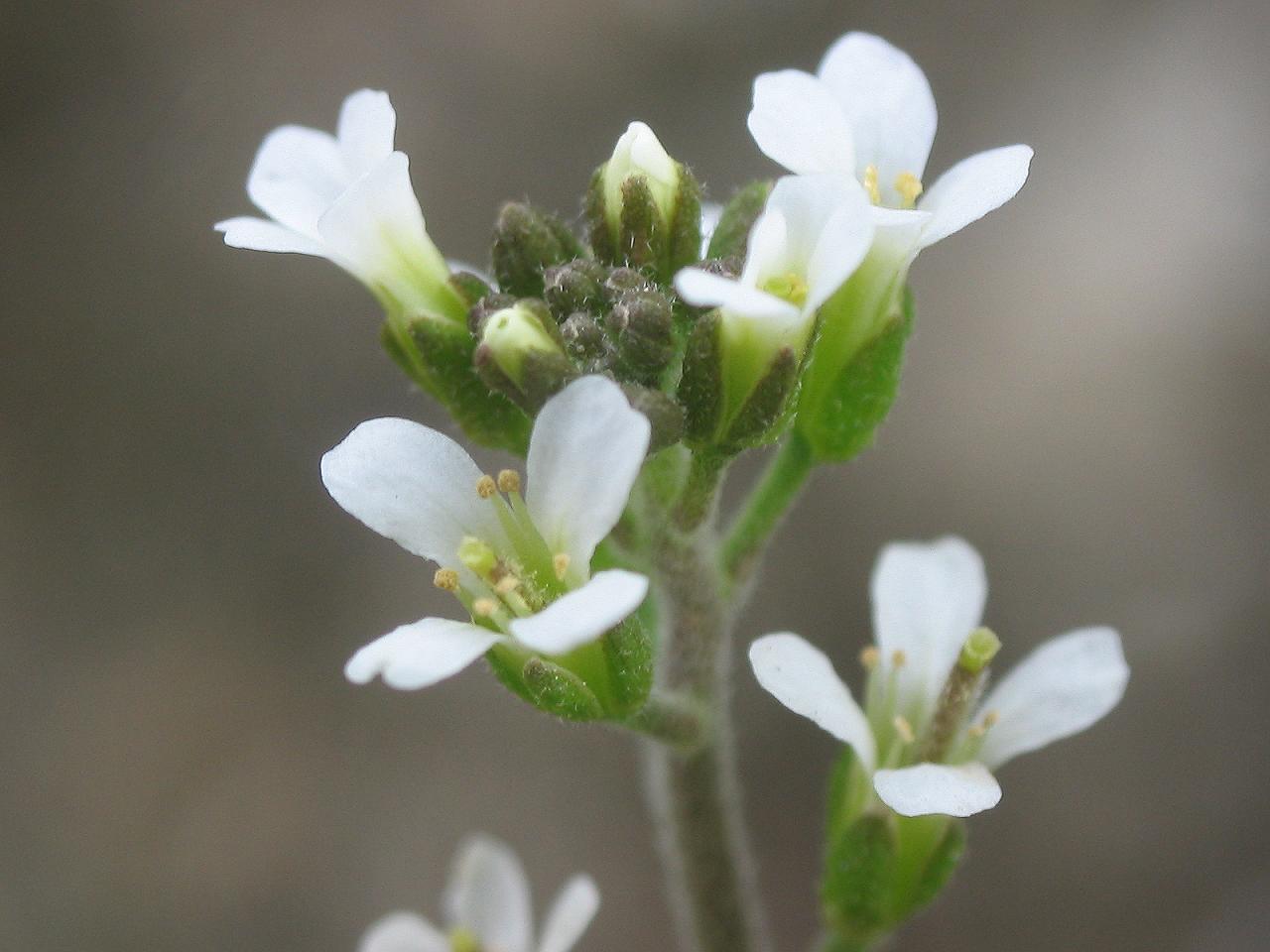
While the flytrap adds, the thale cress (Arabidopsis thaliana) divides. At night, this plant cannot photosynthesize and must rely on stored starch to survive until sunrise. Researchers at the John Innes Centre in England found that the plant strictly manages this resource to prevent starvation before dawn. The plant measures the amount of starch available and divides it by the length of time remaining until sunrise. This calculation allows the plant to set a precise rate of consumption.
Solving Equations for Survival
The metabolic rate adjusts precisely based on this internal division. If researchers artificially shorten the night, the plant consumes starch faster. If the night is lengthened, consumption slows down. The plant effectively calculates the equation S (starch) divided by T (time) to determine the rate of R (consumption). This biological division ensures the starch reserves run out almost exactly at the moment light returns, maximizing growth without risking starvation in the final hours of darkness.