
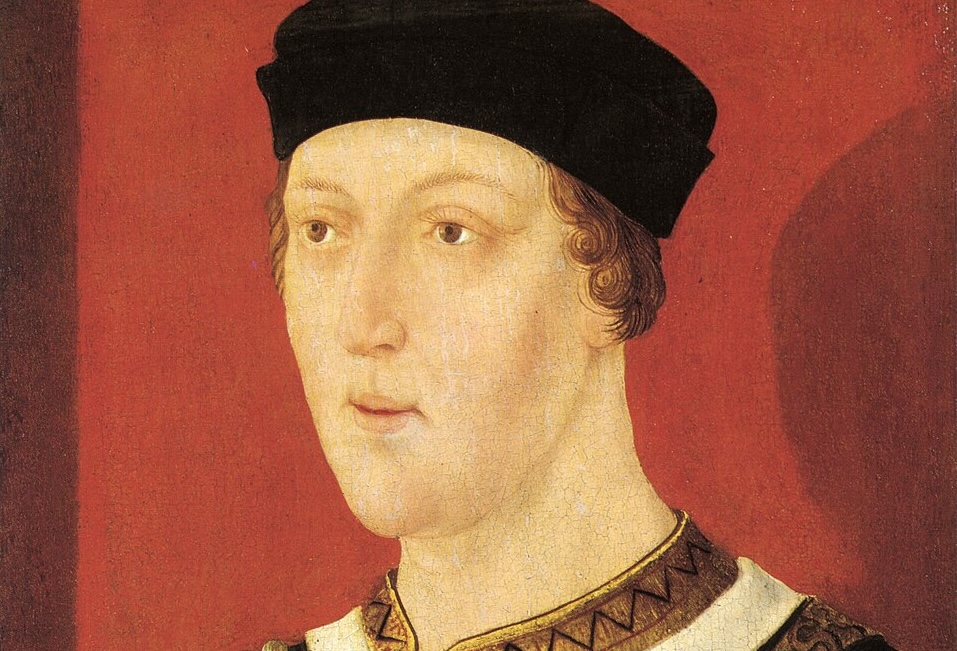
In the spring of 1458, the streets of London filled with thousands of heavily armed men ready for war. Instead of fighting, their bitter leaders walked hand-in-hand through the city in a massive public procession. This event was the culmination of King Henry VI’s lengthy negotiations to unite the feuding English nobility after the outbreak of the Wars of the Roses in 1455. The accord deferred an impending war, bringing enemies together for a brief moment.
Blood in the Streets of St Albans
The political landscape of England in the 1450s was deeply fractured. In 1453, King Henry VI became catatonic, leaving the government leaderless. Richard, Duke of York, was appointed protector. When the king recovered in 1454, the Duke of York felt excluded from the government.
In May 1455, the Yorkists intercepted the royal army at the First Battle of St Albans. During the short clash, the primary Lancastrian commanders—the Duke of Somerset, the Earl of Northumberland, and Lord Clifford—were all killed.
Thousands Gather for the Great Council
To resolve the crisis and the craving for revenge among the dead lords’ sons, King Henry summoned a great council to Westminster in January 1458. The lords arrived with massive retinues. The Duke of York and the Earl of Salisbury brought 900 men between them.
The Lancastrian lords brought around 2,300 men, and the Earl of Warwick arrived from Calais with 600 soldiers dressed in red jackets. Fearing an outbreak of war, civic leaders lodged the Lancastrians outside the city walls while the Yorkists remained inside.
Financial Reparations and the King’s Award
On 24 March, the king announced his decision, placing the blame for the battle squarely on the Yorkist lords. Richard, Duke of York, was ordered to pay 5,000 marks to the new Duke of Somerset and his mother. The Earl of Warwick was ordered to pay 1,000 marks to Lord Clifford.
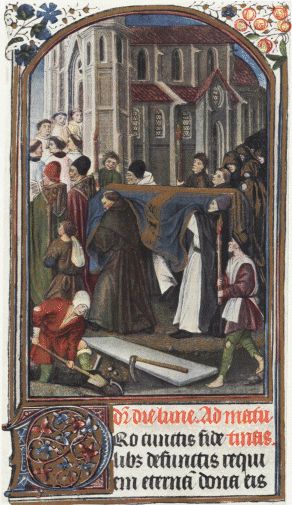
The Earl of Salisbury was required to pay 12,000 marks to the Dowager Countess of Northumberland. To fulfil these obligations, the Yorkists returned government-issued tallies, effectively cancelling debts owed to them by the crown. The Yorkists also agreed to pay £45 a year for two years to St Albans Abbey for monks to say masses for the slain lords.
The Grand Procession to St Paul’s Cathedral
On 25 March 1458, the feast of the Annunciation, the pact was announced to the public. King Henry VI led his wife and the nobles on a procession from Westminster to London. The new Duke of Somerset walked hand-in-hand with the Earl of Salisbury.
The Duke of Exeter walked with the Earl of Warwick. King Henry VI walked alone wearing his royal robes and crown, followed by the Duke of York holding hands with Queen Margaret. Despite this display, violence broke out again within months, and the opposing factions faced each other at the Battle of Blore Heath the following year.