
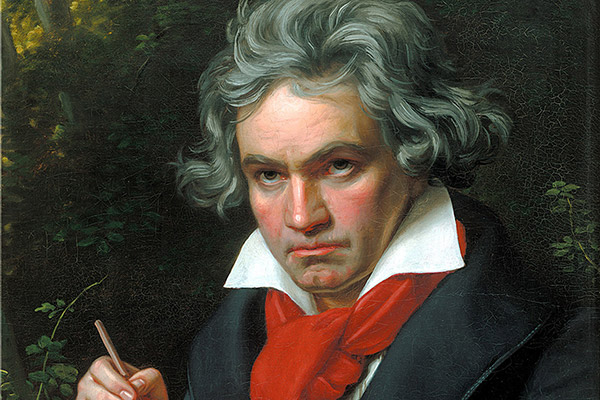
The physical appearance of one of the most famous classical composers has sparked a historical debate enduring for over a century. Ludwig van Beethoven is universally recognized for his musical compositions, but a compelling theory suggests that his widely accepted portrait might be historically inaccurate.
From the written accounts of individuals who knew him personally to the bold assertions of twentieth-century activists, a surprising narrative emerged claiming that the renowned musician was of African descent. The origin of this discussion and the historical records fueling it reveal an unexpected chapter in history, prompting a deeper look into the facts surrounding his ancestry.
The Origins of a Historical Debate
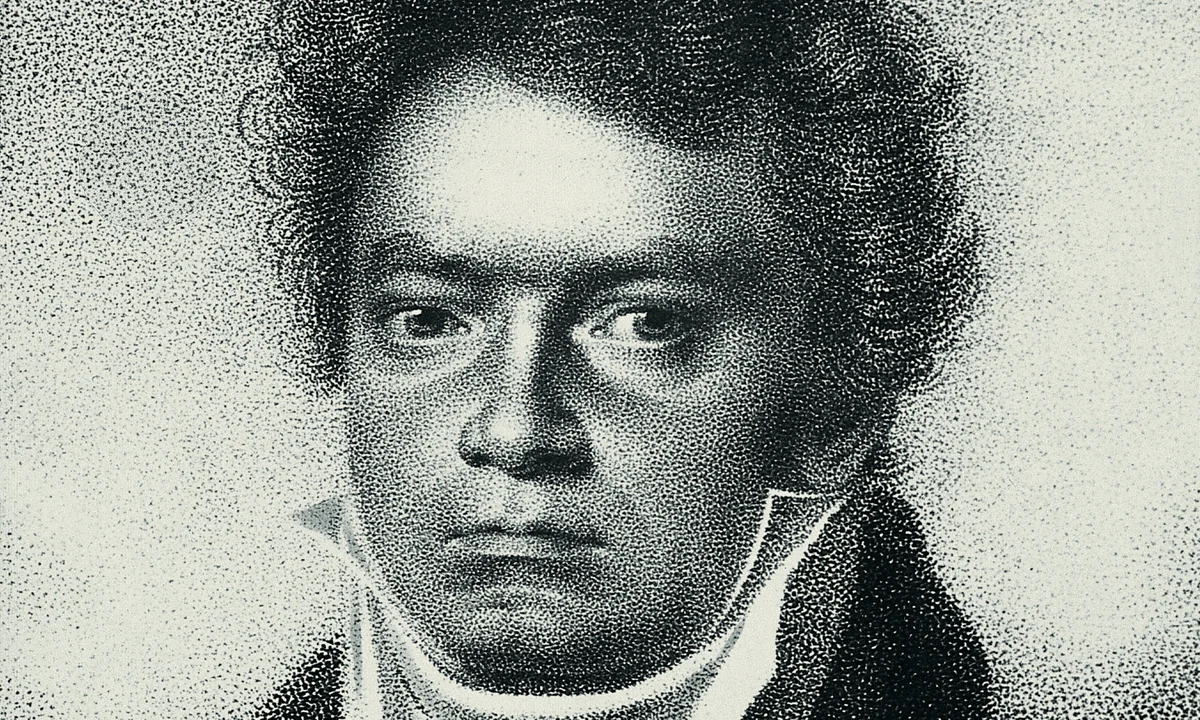
In 1907, the English composer Samuel Coleridge-Taylor, born to a white mother and a Black father, publicly declared that Beethoven was a Black man. Coleridge-Taylor noted a distinct resemblance between his own facial features and the physical traits depicted in historical illustrations of the famous musician.
He stated that if the composer were alive in the United States during the early twentieth century, he would face severe segregation. This idea gained momentum during the civil rights movements. Activists like Stokely Carmichael and Malcolm X repeated the claim in speeches, introducing the concept to a much broader audience and fueling ongoing discussions.
Eyewitness Accounts of the Composer’s Complexion
Proponents of the theory rely on descriptions provided by individuals who lived alongside the composer. Contemporaries frequently described his physical appearance using words like “dark” and “swarthy.” A close acquaintance named Frau Fischer specifically noted that he had a “blackish-brown complexion.”
Furthermore, the Austrian writer Franz Grillparzer described him as “dark.” Records also indicate that Prince Nicholas Esterhazy I referred to Beethoven and Joseph Haydn as “Moors.” At the time, this term was used to describe dark-skinned individuals from North Africa, though researchers point out it was also occasionally used as a dismissive term for servants.
Examining the Ancestral Evidence
The genealogical discussion centers on the composer’s family lineage. Official records state he was the child of Johann and Maria Magdalena van Beethoven, who were of Flemish ancestry.
Those supporting the alternative theory propose a secret affair occurred in the family line, suggesting an ancestor had a child out of wedlock with a Black individual traveling through Europe. While trade routes ensured interaction between Africans and Europeans, researchers emphasize there is currently no hard, documentary evidence to prove an African lineage.
Forgotten Composers of the Era
While the debate occasionally goes viral on social media platforms, modern historians use the conversation to highlight a different issue. Scholars point out that history has overlooked numerous exceptionally talented Black composers.
Musicians such as George Bridgetower, a violinist who was actually close friends with Beethoven, and Florence Price, who premiered her Symphony Number 1 in 1933, remain largely unknown. Historians advocate for directing public attention toward these documented historical figures who created magnificent music but were marginalized by the society of their time.