
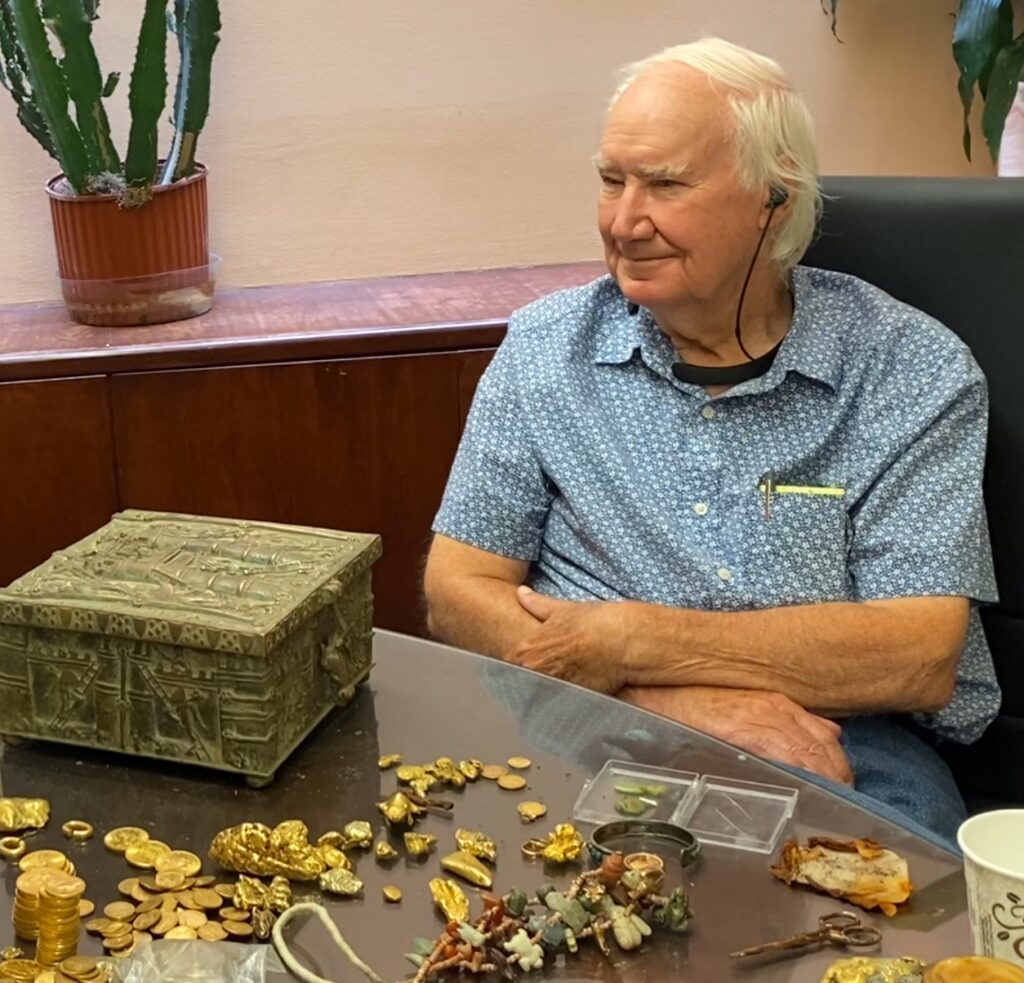
In the rugged wilderness of the Rocky Mountains, a bronze chest waited in silence for a decade. It was not a pirate legend but a modern reality orchestrated by Forrest Fenn, an art dealer from Santa Fe. He filled a 10-by-10-inch (25-by-25 cm) Romanesque lockbox with ancient gold coins, nuggets, and gemstones valued at over $2 million.
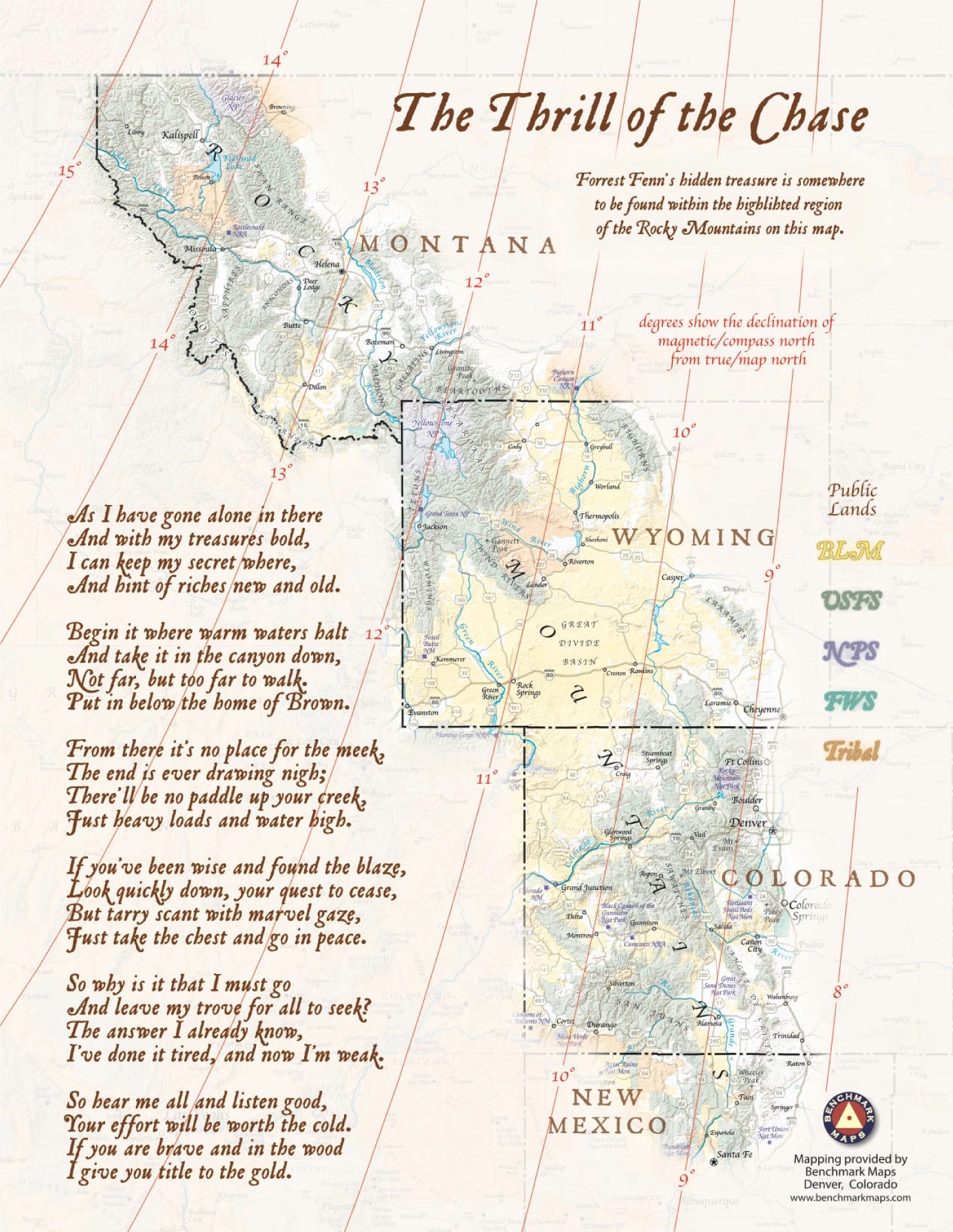
To spark a massive treasure hunt, he self-published a memoir containing a cryptic poem. This twenty-four-line verse held the specific coordinates to the fortune, launching a frenzy that obsessed thousands and claimed five lives.
A map hidden in verse
Fenn hid the treasure in 2010 during a severe economic recession. He aimed to give people hope and a reason to explore nature. The clues were subtle and difficult. The poem spoke of starting where warm waters halt and taking it in the canyon down. Over 350,000 searchers from around the globe descended upon the Rockies to test their wits.
They deciphered the stanzas and scrutinized maps. Many hunters sold their possessions and spent their life savings to fund repeated trips into the dangerous terrain. The chest sat north of Santa Fe and more than 5,000 feet (1,524 meters) above sea level, hidden among the pine trees and sagebrush.
The high cost of obsession
The wilderness exacted a heavy toll on those who underestimated it. Five searchers died while pursuing the gold. Randy Bilyeu disappeared in 2016 along the Rio Grande, and authorities found his remains months later. Three others, including a pastor named Paris Wallace, perished in 2017.
Jeff Murphy fell 500 feet (152 meters) to his death in Yellowstone National Park. Chief of the New Mexico State Police Pete Kassetas publicly urged Fenn to call off the hunt to prevent further tragedy. Fenn refused and insisted the treasure was in a safe location that an eighty-year-old man could reach.
Discovery in the Wyoming woods
On June 6, 2020, the chase finally ended. Fenn confirmed that a man from “back East” had located the chest. The finder was Jack Stuef, a thirty-two-year-old medical student. Stuef had spent two years analyzing the poem before narrowing his search to a specific patch of forest in Wyoming.
He found the box beneath a wet, rotting log. Stuef met with Fenn to authenticate the contents, which included pre-Columbian gold animal figures and heavy gold mirrors. Fenn died just three months later in September 2020. Stuef eventually sold the treasure at auction in 2022 for $1.3 million, closing the final chapter on a decade of mystery.