
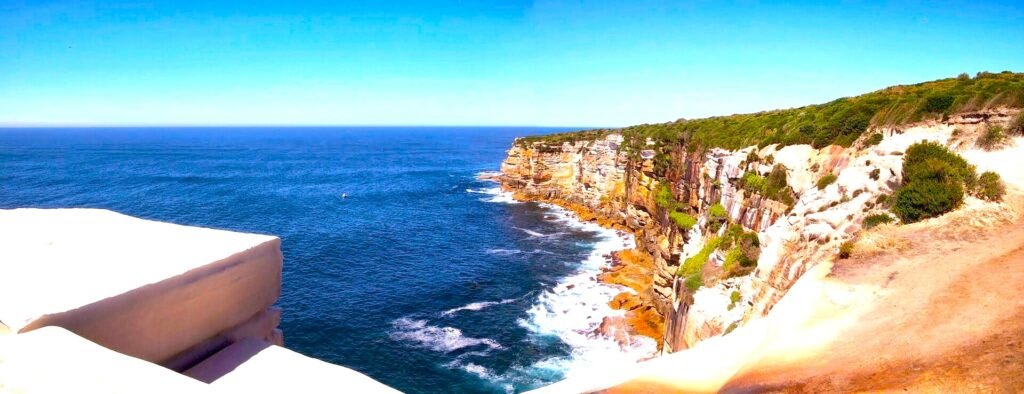
Suspended 25 meters above the churning Tasman Sea, a perfectly cuboid, white sandstone formation in Australia became an overnight viral sensation. In early 2015, thousands of people flocked to the Royal National Park near Sydney to perform stunts on the edge of a cliff.
What started as an obscure trail destination quickly spiraled into an emergency involving a fatal fall, police patrols, and a startling geological discovery. The famous rock is literally balancing on debris and is destined to plunge into the ocean.
The Viral Instagram Craze
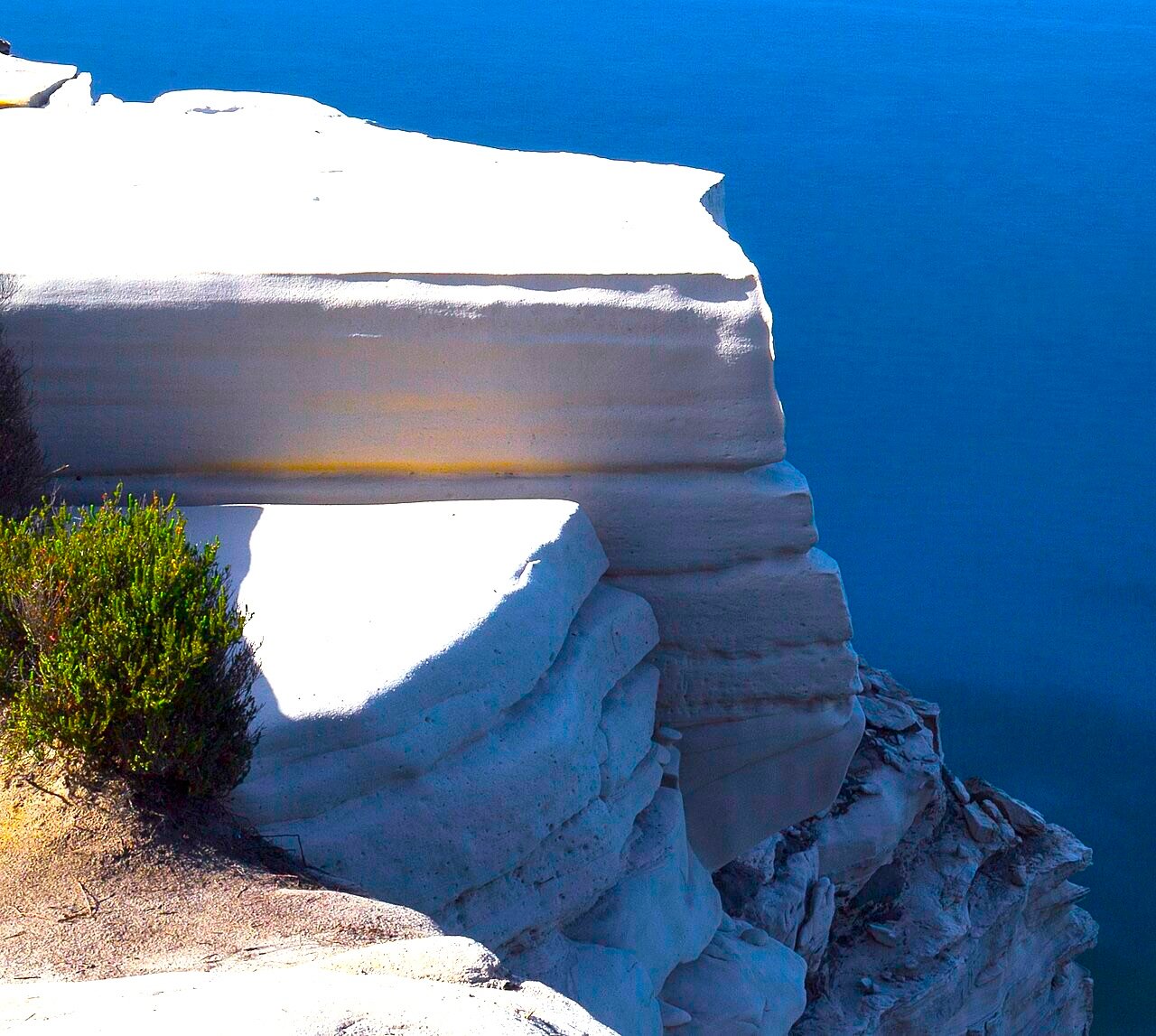
Located 5.1 kilometers down the Coast Track from Bundeena in New South Wales, Wedding Cake Rock features bright white sandstone layers heavily eroded into the exact shape of a sliced cake. For years, bushwalkers visited the site, taking care to avoid the edge due to strong coastal winds. In early 2015, the photo-sharing app Instagram triggered a massive surge in patronage.
The New South Wales National Parks and Wildlife Service recorded a jump from 2,000 monthly visitors to over 10,000. Crowds gathered to take photographs, often performing physical stunts on the flat, white surface.
A Fatal Coastal Stunt
The sheer drops surrounding the cliff have proven deadly, in an incident completely unrelated to the geological erosion. A 24-year-old French tourist and amateur climber attempted a physical stunt at the site. He jumped from the lower tier of the sandstone formation, attempting to grab the upper tier. Upon impact, he lost his traction and slipped, falling more than 40 meters down the cliff face to his death.
A Ticking Geological Clock
Alarmed by the massive crowds and visitor behavior, park authorities closed off public access to the rock in May 2015. They immediately commissioned a geotechnical assessment to evaluate the structural integrity of the sandstone. The resulting survey stunned officials.
The entire structure was severely undercut and precariously balancing on the cliff edge, supported by just a few pieces of debris from a recent major fracture. Geologists concluded the rock was completely unstable and absolutely certain to collapse into the Tasman Sea within the next ten years.
Fines and Police Patrols
Despite the physical safety fence and the strict geological warnings, tourists continued to jump the barrier to take photographs on top of the fractured stone. In March 2016, authorities implemented a $300 fine for anyone caught bypassing the fence. When people continued to trespass, the park service collaborated with the New South Wales Police Force to initiate active patrols in June 2016.
By July 2018, thirteen fines had been officially issued. The rock remains permanently closed to the public until its eventual demise, though the state government later allocated a $9 million budget to upgrade the trail and establish a safe viewing platform nearby.