
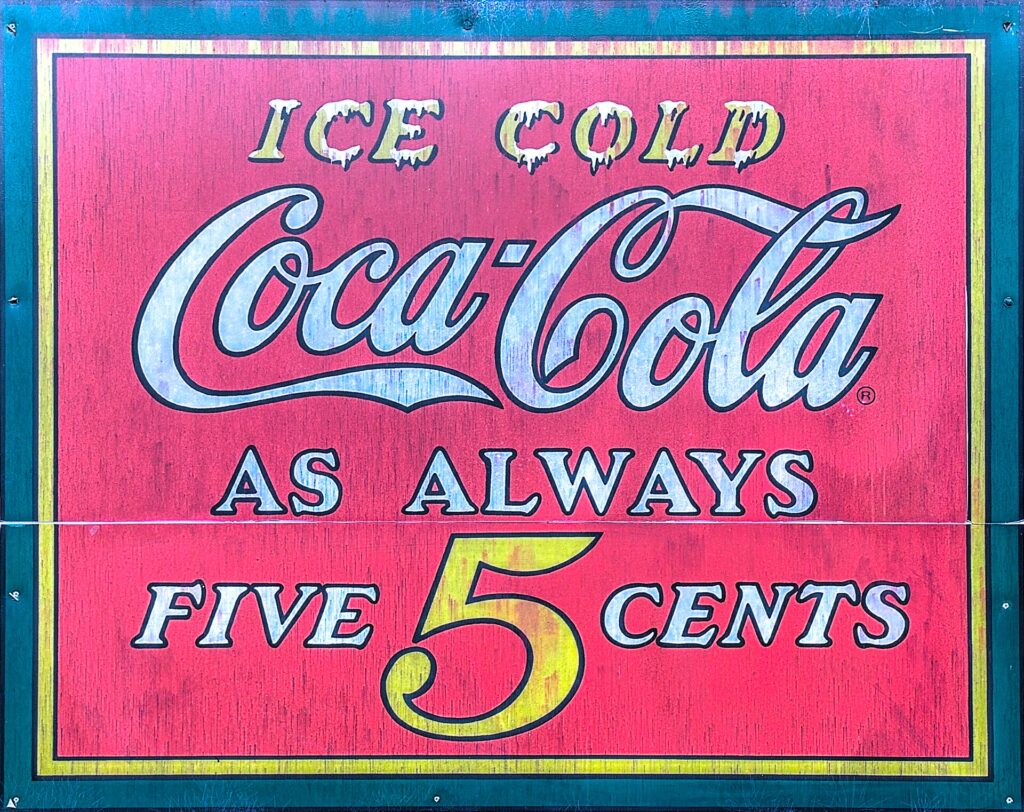
For over seven decades, the cost of a single beverage remained completely unchanged despite two World Wars, the Great Depression, and massive economic inflation. In 1886, a new carbonated drink entered the market at a cost of exactly five cents.
While competitors adjusted their pricing over the years, this specific product maintained its exact price tag until 1959. The history of how the Coca-Cola Company kept its signature 6.5 US fluid ounce (192 milliliter) drink at a flat rate of a nickel involves unique legal contracts, advertising strategies, and strict technological constraints. The events reveal a complex business reality behind a simple five-cent transaction.
A Pharmacy Invention Sets a Fixed Price
Dr. John Stith Pemberton created the first Coca-Cola syrup and brought it to an Atlanta pharmacy on May 8, 1886. The establishment placed the drink on sale for five cents per glass.
Most soda fountain beverages at the time cost seven or eight cents for a 6.5 US fluid ounce (192 milliliter) serving. The company specifically marketed the new beverage as an affordable option. In 1888, Pemberton sold his remaining stake to Asa Candler, who maintained the five-cent fountain price.
The One-Dollar Bottling Contract
In 1899, two lawyers named Benjamin Thomas and Joseph Whitehead purchased the bottling rights from Candler for just one single dollar. The contract had no expiration date and required the company to sell syrup to the bottlers at a fixed price. To increase profits, the company needed to maximize total sales volume.
They launched massive advertising campaigns aggressively associating the beverage with the five-cent price tag. This strategy effectively prevented the bottlers from raising consumer prices.
Vending Machines and Exact Change
By 1950, the company owned over 85 percent of the 460,000 vending machines in the United States. These machines required exact change and could not reliably return coins. Raising the price to six cents meant customers had to insert multiple coins, which executives feared would reduce sales.
Doubling the price to ten cents was considered too drastic. This mechanical limitation forced the company to maintain the five-cent price tag well into the 1950s.
Creative Attempts to Beat Inflation
As inflation accelerated, maintaining the nickel price became unsustainable. In 1953, the company officially asked the United States Treasury Department to mint a 7.5-cent coin, but the government declined.
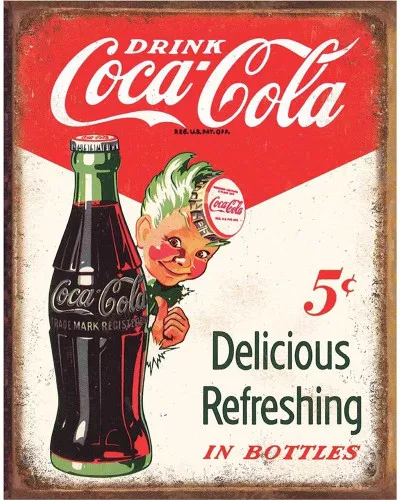
Executives briefly planned a strategy where one out of every nine bottles in a vending machine would be empty, forcing every ninth customer to insert two nickels to get a drink. The company never implemented this empty bottle strategy. By 1951, promotional materials stopped featuring the five-cent label, and the last nickel bottles were sold in 1959.