
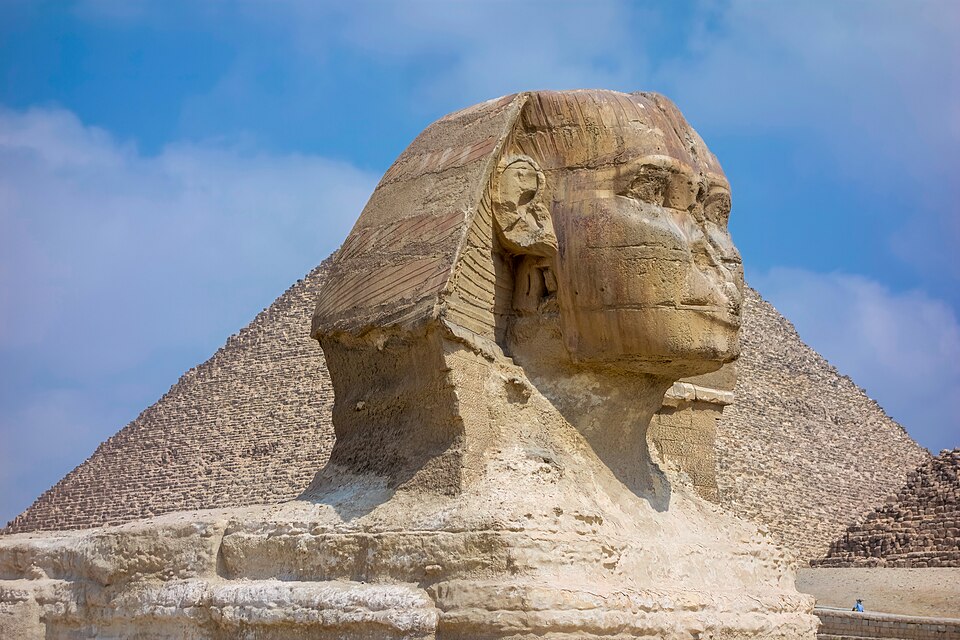
An archaeological claim has emerged from Egypt regarding the Giza Plateau. A team of researchers recently conducted advanced radar scans across the area and announced the detection of a vast underground network of structures.
These deep scans recorded geometric formations, vertical shafts, and a subterranean anomaly that closely mirrors the Great Sphinx. The data points to a hidden subterranean world located far below the pyramids. The detection of an unseen architectural grid beneath one of the most famous archaeological sites on Earth has drawn the attention of historians, scientists, and the general public.
The Khafre Research Project Findings
The Khafre Research Project spearheaded this subsurface investigation. Led by Corrado Malanga, Filippo Biondi, and Armando Mei, the team utilized Synthetic Aperture Radar Doppler tomography to map the area.
This technology analyzes how radar signals bounce back from beneath the earth, allowing researchers to construct three-dimensional models of the geological and structural layers hidden from view. These scans reached depths of several meters, penetrating well beyond the typical topsoil, which is normally around 10 meters (32.8 feet) deep in some excavated sections.
A Mirrored Sphinx Formation
According to the published data, the geophysical surveys uncovered highly organized formations. The team identified deep chambers, spiral-like pathways, and vertical shafts positioned beneath the surface. Filippo Biondi stated that these formations point to a level of structural complexity that has not been previously mapped. The interconnected pathways appear to form a coordinated network extending under the Pyramid of Khafre and across large portions of the Giza Plateau.
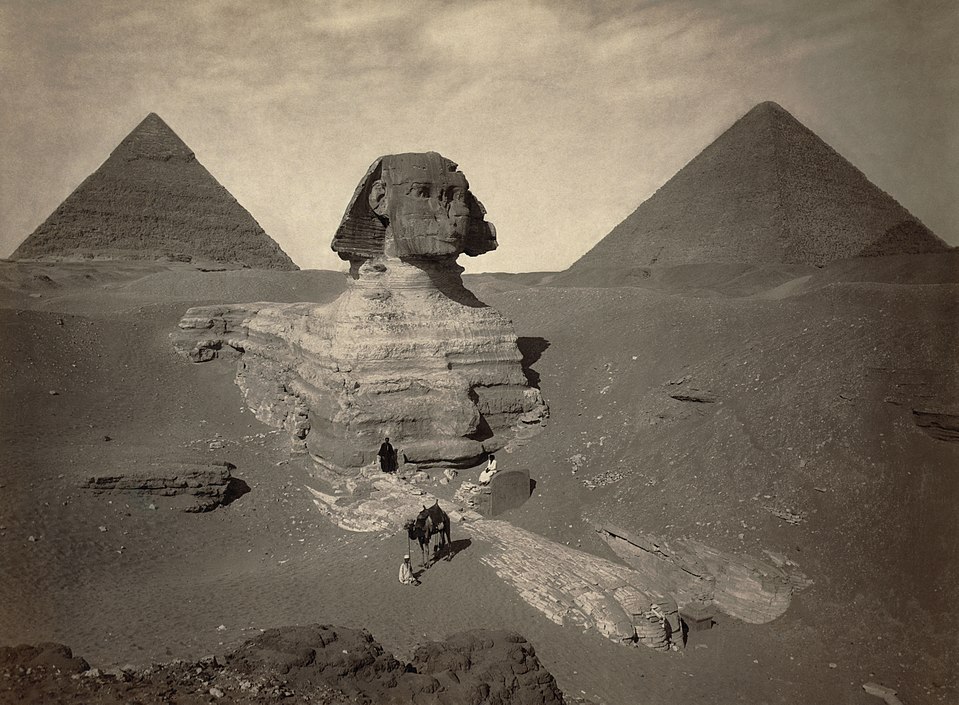
The researchers recorded that these structures feature pillar-like supports and symmetrical layouts, indicating intentional design rather than natural geological formations. The most striking element of the data is the detection of what they describe as a second Sphinx. This is not an exposed monument sitting above ground. Instead, the radar identified a massive anomaly buried deep underground. The data shows this hidden formation is aligned with the exact geometry of the existing Great Sphinx, which measures 73 meters (240 feet) in length and 20 meters (66 feet) in height. The subsurface formation mirrors these dimensions and sits directly in alignment with the structure above it.
Pushback From Prominent Egyptologists
The release of these radar findings immediately sparked a debate within the scientific community. Prominent Egyptologist Zahi Hawass criticized the conclusions. He stated that the claims of a massive underground network are completely inconsistent with the established archaeological knowledge of the site.
Furthermore, radar expert Lawrence Conyers highlighted the inherent difficulties of accurately interpreting deep subsurface radar signals. Despite the skepticism from traditional archaeologists, the raw radar data continues to circulate, prompting ongoing investigations into the exact nature of the anomalies hidden beneath the surface.