
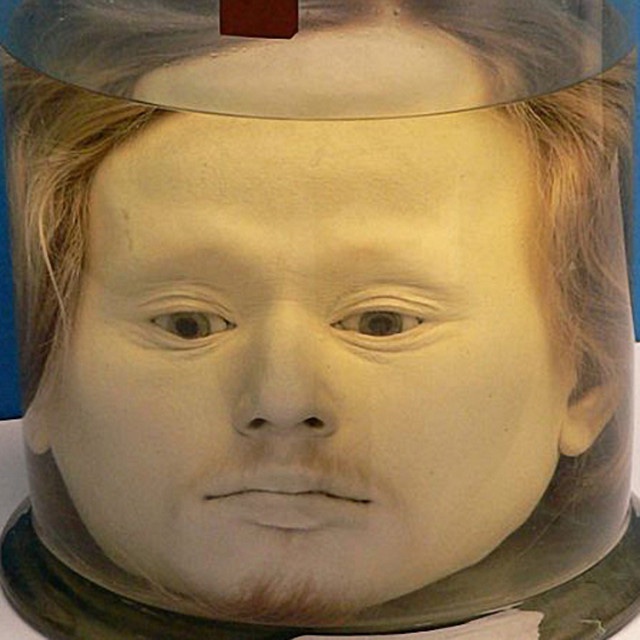
In a glass jar at the University of Lisbon rests a perfectly preserved human head. The pale face, complete with yellowish skin and undisturbed hair, has stared out from its formaldehyde bath since 1841. This severed head belonged to Diogo Alves.
During the late 1830s, Alves systematically terrorized the residents of Lisbon. He claimed the lives of dozens of victims along the city’s towering stone water channel before authorities finally captured and executed him. The jar contains the physical remains of a highly prolific serial killer.
The Águas Livres Aqueduct Murders
Born in Spain in 1810, Alves traveled to Lisbon to work. By 1836, he began hunting victims on the Águas Livres Aqueduct. This massive stone structure spanned the Alcantara valley, standing 65 meters (213.3 feet) tall at its highest point.
Farmers used the aqueduct as a bridge to enter the city and sell goods. Alves waited for them at night. He robbed his targets and pushed them over the edge. Because of the extreme 65-meter (213.3-foot) drop, police initially recorded the deaths as suicides. Alves killed an estimated 70 people over three years.
A Change in Tactics and Capture
In 1839, municipal authorities closed the aqueduct pathway to the public due to the alarming number of deaths. Unable to use the high stone bridge, Alves formed a gang to target private residences. In 1840, Alves and his gang broke into the home of a local doctor.
They murdered the doctor and his family inside the house. This violent home invasion provided the police with the physical clues they needed. Authorities tracked down the gang members and successfully arrested Diogo Alves.
The Execution of Diogo Alves
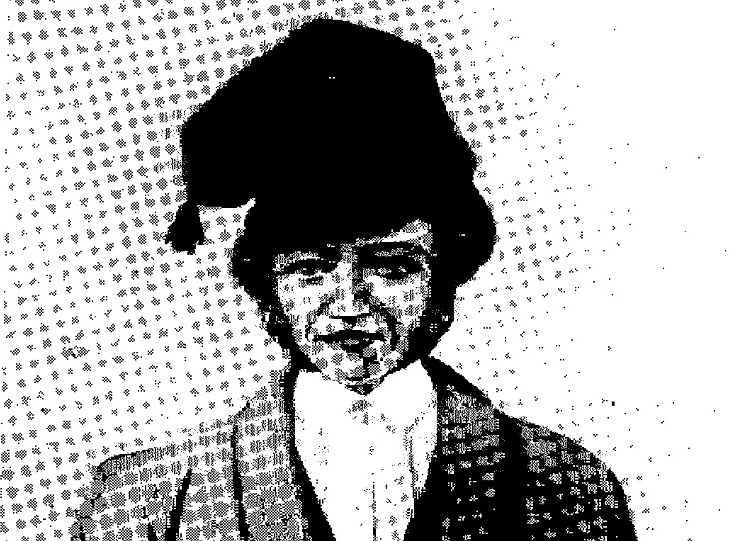
A judge sentenced Alves to death for his extensive crimes. On February 19, 1841, executioners hanged Alves in Lisbon. He was one of the final criminals to receive the death penalty in Portugal before the country abolished capital punishment. Following the hanging, medical scientists immediately claimed his body for study.
The Phrenology Experiment in the Glass Jar
During the 1840s, the pseudoscience of phrenology was gaining popularity across Europe. Phrenologists believed they could determine criminal tendencies by examining the physical shape of a skull. Researchers at the Medical-Surgical School of Lisbon wanted to study the brain structure of a prolific killer.
They severed the head of Diogo Alves from his body and placed it in a thick jar filled with a preserving fluid. The phrenologists studied the skull but published no significant scientific findings. The heavy glass jar remained in the university laboratory, where it sits on a wooden shelf today.