
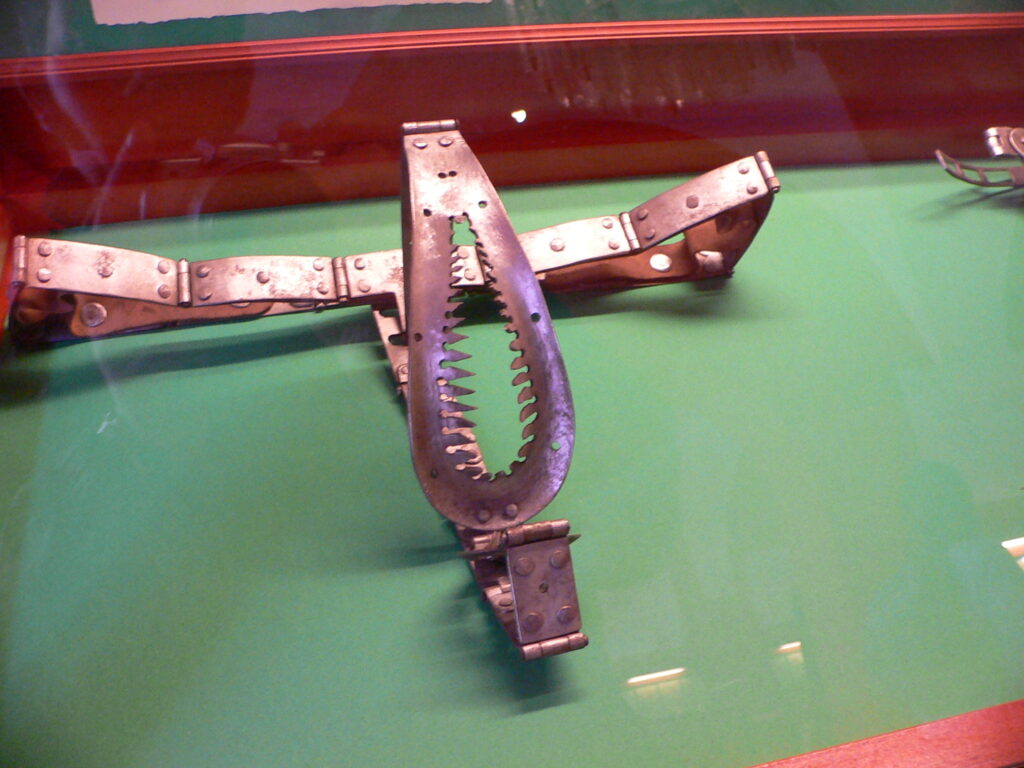
For centuries, a strange narrative has permeated medieval history. A valiant knight mounts his horse for a years-long Crusade in the Middle East, but before departing, he locks his wife into a heavy iron chastity belt and takes the only key.
It is one of the most widely accepted stories of the Middle Ages, appearing in books, movies, and historical discussions. Many believe these harsh metal contraptions enforced fidelity during long military campaigns. However, historical records reveal a completely different reality. The medieval chastity belt is entirely a fabricated hoax.
The Myth of the Crusading Knight
The popular timeline of the chastity belt places its usage firmly during the Crusades, which occurred primarily between the 11th and 13th centuries.
The narrative dictates that jealous husbands required absolute physical certainty of their wives’ faithfulness. Despite widespread belief in this practice, no credible historical documentation, legal texts, or church records from the Middle Ages mention these metal garments. The device simply did not exist during the era it is most famous for.
A Renaissance Engineer’s Joke
The very first recorded mention of a chastity belt actually appeared in 1405, long after the Crusades ended. A German military engineer named Conrad Kyeser included a drawing of one in his manuscript “Bellifortis.” Kyeser primarily wrote about serious siege engines and military equipment.
However, he also included a section of satirical and nonsensical inventions. The chastity belt was featured in this section as a humorous concept, not a literal blueprint. Subsequent Renaissance artists adopted the joke, drawing cartoons of cuckolded husbands holding a key while a hidden lover held a duplicate.
The Fatal Flaw of Iron Underwear
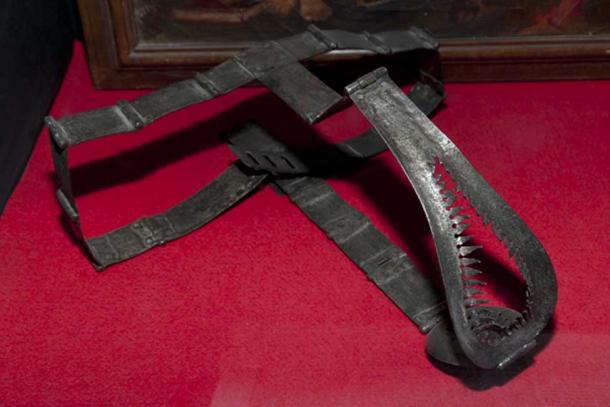
Medical science completely debunks the practicality of the device. If a woman had actually worn a tightly locked iron or steel cage around her pelvic region for months or years, the results would have been fatal. Uninterrupted, long-term wear of heavy metal against bare skin prevents basic hygiene.
It would have caused severe abrasions, genitourinary infections, and ultimately lethal sepsis. A metal belt weighing up to 2 kilograms or 4.4 pounds could not be worn safely without frequent removal.
Museum Fakes and Victorian Prurience
People often claim chastity belts are real because they have seen them in display cases. During the 18th and 19th centuries, counterfeiters manufactured iron belts to sell to gullible tourists and collectors. Institutions like the British Museum in London and the Musée de Cluny in Paris once displayed these items. Researchers eventually analyzed the metallurgy and construction of these artifacts, proving they were manufactured in the 1800s.
The museums quietly removed them from public display once the truth emerged. The Victorian era manufactured these items as curiosities or medical devices to stop masturbation. These 19th-century fabrications were initially labeled as medieval artifacts. Once modern metallurgical analysis proved their true origin, historians officially reclassified the devices as modern hoaxes.