

Sixty million years ago, a creature stalked the muddy waters of South America. Following the dinosaurs’ extinction, a void remained at the top of the food chain. A snake measuring up to 50 feet (15.2 meters) long and weighing 2,500 pounds (1,134 kilograms) emerged to claim that spot.
This apex predator could strike with lightning speed to swallow giant prey whole. The discovery of this colossal reptile rewrote our understanding of prehistoric life during the Paleocene era.
A Serpentine Behemoth
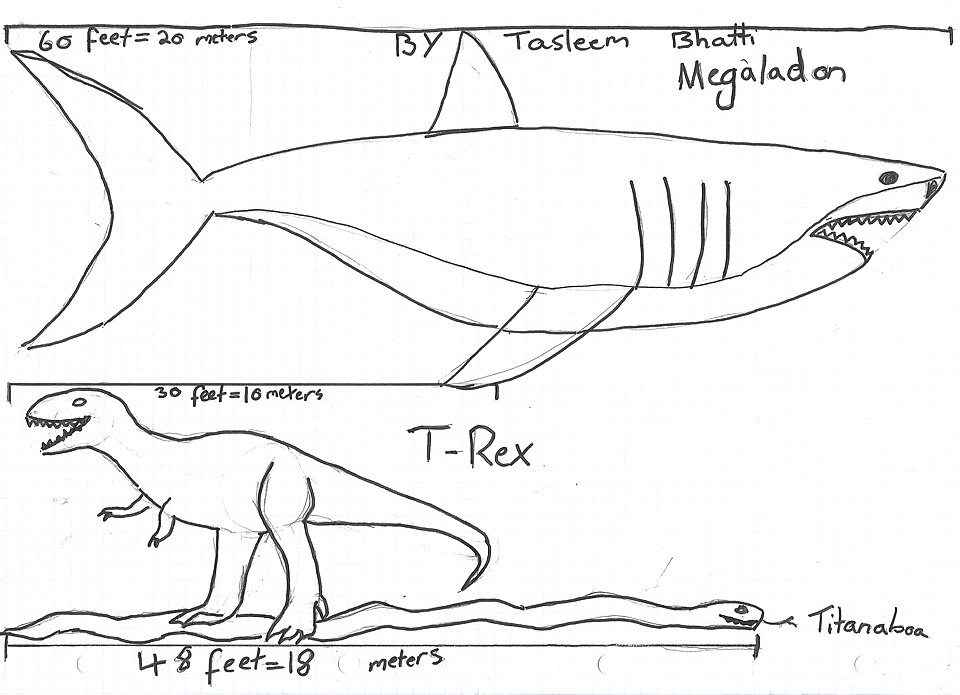
Titanoboa thrived in a tropical jungle five million years after the dinosaurs vanished. A 50-foot (15.2-meter) length equals a modern highway semitrailer. At its thickest point, the serpent measured three feet (0.9 meters) across. Its brown skin provided perfect camouflage in the muddy, humid environment of modern-day Colombia.
Scientists debate its exact hunting method. Some researchers propose it behaved like a boa constrictor by asphyxiating its victims. Others argue it acted more like an anaconda, waiting in the shallows to ambush prey with a stunning blow before consuming it entirely. Regardless of the method, Titanoboa dominated its habitat completely.
Unearthing a Jungle Monster
The existence of this massive serpent remained unknown until 2002. The discovery process started when a student found a fossilized leaf at the Cerrejón coal mine in Colombia. This leaf suggested the area once hosted Earth’s first rainforests. Researchers soon found fossils of giant turtles, crocodiles, and early plant species like bananas and avocados.
The team discovered a vertebra far too large for any known snake. Scientists theorized the animal died in a mudslide and became fossilized in the rock that later formed the coal mine. This prompted an extensive search for more remains.
The Rare Skull Discovery
Finding a fossilized snake skull is extremely difficult. Snake skulls consist mostly of muscle and fragile bone, which usually crumbles before sediment can preserve it. Remarkably, researchers managed to find the remains of 28 enormous serpents along with three distinct skull fragments. These rare pieces allowed scientists to construct a full-scale replica of the ancient predator.
Climate and Size
The extraordinary size of Titanoboa directly correlated with its environment. Plant fossils from the Cerrejón mine indicate the prehistoric jungle experienced average temperatures of 90 degrees Fahrenheit (32 degrees Celsius) or higher.
Cold-blooded animals rely entirely on external heat sources to fuel their metabolism. The constant extreme heat of the Paleocene jungle allowed this reptile to run its metabolism at maximum efficiency. This abundance of energy enabled the snake to grow to proportions never seen again.
Prior to this unearthing, the largest known fossilized snake was the 33-foot (10-meter) Gigantophis from Africa. Today, the largest giant anacondas rarely exceed 20 feet (6.1 meters) or 500 pounds (227 kilograms). Titanoboa dwarfs them all, holding the undisputed record as the largest snake in Earth’s history.