
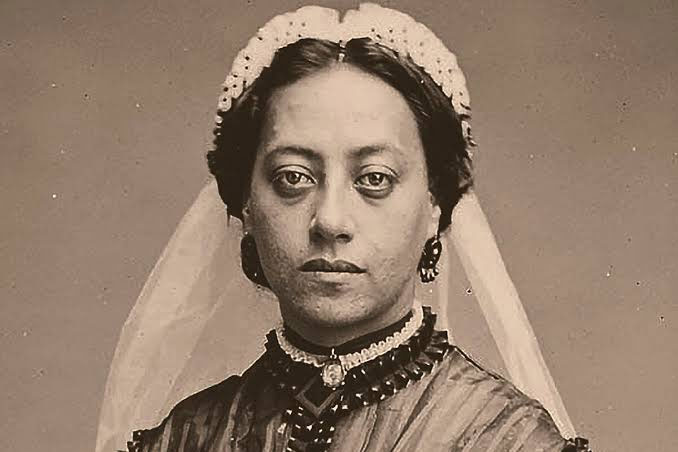
In 1852, Mary Ellen Pleasant arrived in San Francisco with a brilliant plan. She landed a job as a cook, earning $500 per month. While serving meals to wealthy gold prospectors, she quietly absorbed their financial gossip.
Pleasant took this insider knowledge and turned it into investments that made her the first African American female millionaire in history. She would build an astonishing portfolio, fund historical raids, and eventually lose her entire fortune in a dramatic twist.
A Fortune Built on Eavesdropping
Born around 1814, Pleasant learned to read and write while working as a domestic servant in Massachusetts. After the death of her first husband in the 1840s, she inherited $45,000. She then married John Pleasant and headed west during the California Gold Rush.
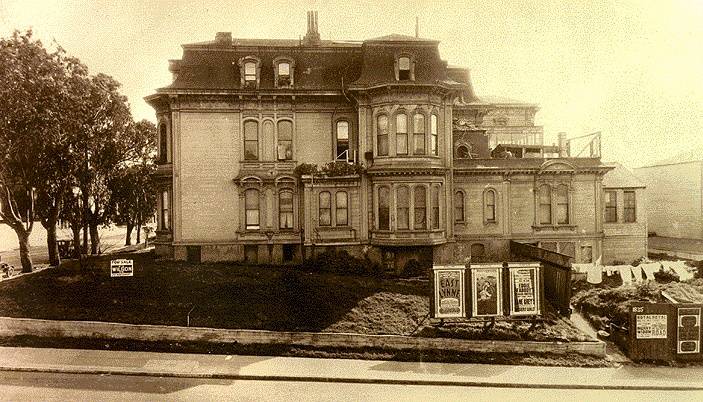
Using the information she overheard from her wealthy clients, she multiplied her wealth by purchasing laundries and boarding houses. Soon, she acquired an impressive real estate portfolio. She built a massive 30-room mansion valued at $100,000. She also purchased a sprawling 985-acre, or 398.6-hectare, ranch in the Sonoma Valley.
The Secret Business Partnership
To bypass hurdles she faced as a Black woman in the 19th century, Pleasant partnered with a white bank clerk named Thomas Bell. Together, they acquired investments under his name, including shares in dairies, restaurants, and Wells Fargo Bank.
Historians estimate their combined fortune grew to over $30 million. In today’s currency, that wealth equals approximately $864 million. She wielded massive influence in San Francisco, leading many to call her the Black City Hall. People knew they could go to her for assistance and she would use her influence to get things done.
Funding the Fight for Freedom
Pleasant utilized her vast wealth to directly support abolitionist causes. She provided shelter and funds for people escaping through the Underground Railroad. In 1859, she financed John Brown’s raid on Harpers Ferry.
When authorities found a letter on Brown promising more money, Pleasant later claimed the letter was hers, revealing she had donated $30,000 to the cause. In 1866, she successfully sued two streetcar companies for racial discrimination, which forced the desegregation of San Francisco streetcars.
A Sudden Fall into Poverty
Despite her vast wealth, rumors circulated that she acquired her money through voodoo. The public labeled her boarding houses as brothels, and the press mockingly called her Mammy Pleasant, a name she despised. She shared her grand mansion with Thomas Bell and his wife.
In 1892, Bell died after falling down the stairs. Following his death, his widow sued Pleasant for the assets registered in Bell’s name and won the case. Pleasant lost access to her money. The little she had left was seized by lawyers and creditors. She died in 1904 in a small, rundown apartment.