
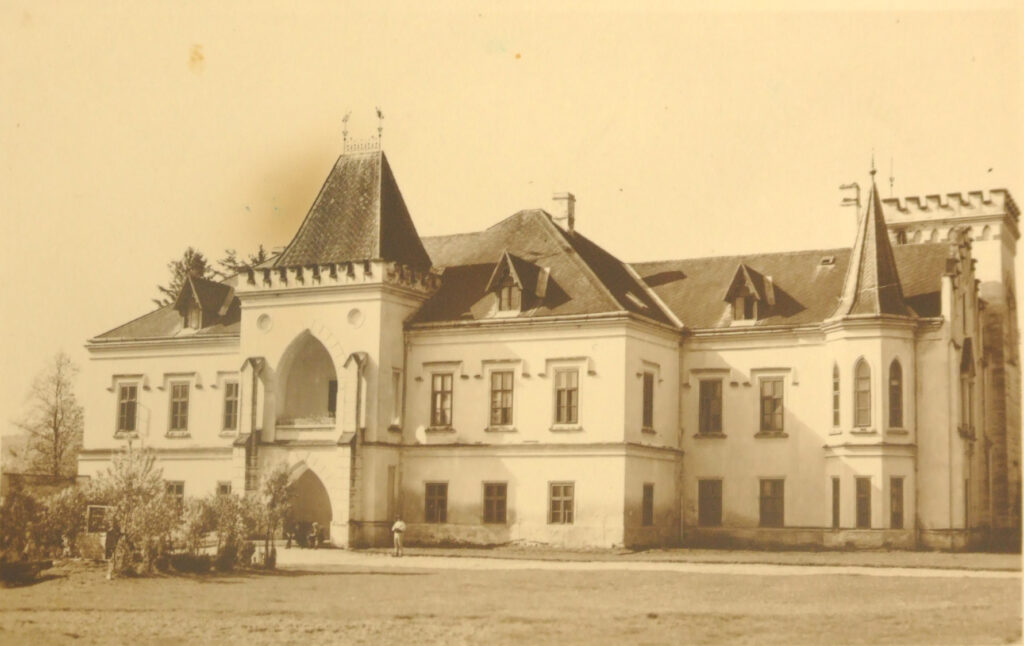
In the late nineteenth and early twentieth centuries, one Hungarian aristocrat lived a life that defied all conventional boundaries. Franz Nopcsa von Felső-Szilvás operated as a pioneering paleontologist, an undercover espionage agent, and an ambitious adventurer who actively sought to become the king of a newly formed nation.
His groundbreaking scientific theories changed how humans understand prehistoric life, while his dangerous covert operations altered the political landscape of the Balkans. The astonishing events of his life span from uncovering prehistoric bones on a family estate to leading armed militias through treacherous mountains.
Discovering Dwarf Dinosaurs in Transylvania
In 1895, Nopcsa’s sister Ilona found prehistoric bones on their family estate in the Hațeg Basin of Transylvania. Nopcsa took the bones to Vienna to study them. He noticed that the adult dinosaurs from his estate were unusually small. Some of these dinosaurs measured only 1 meter (3.28 feet) to 6 meters (19.68 feet) in length. He deduced that these animals lived on an island during the Cretaceous period.
Due to limited resources, the species shrank over generations. He published his findings and helped establish the field of paleobiology by studying how the animals actually lived and moved, rather than just classifying their bones.
Espionage and Guerrilla Warfare in the Balkans
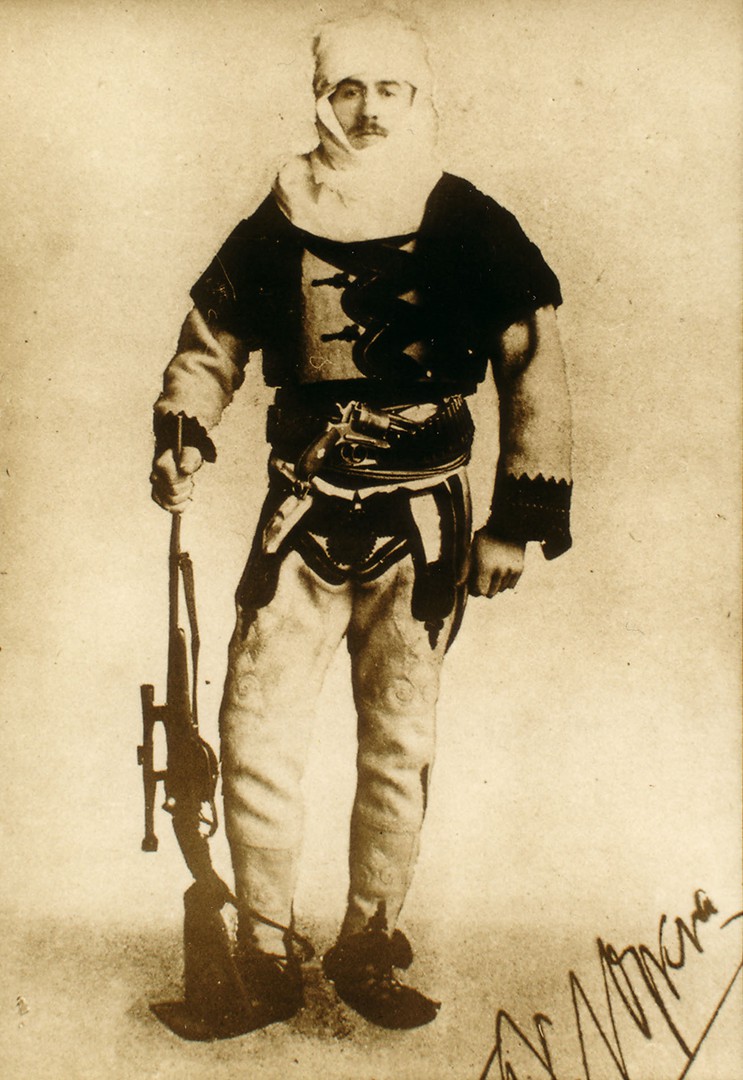
Nopcsa developed an intense interest in the fiercely independent tribes of the Albanian mountains. He learned the local dialects, adopted the traditional clothing, and spent years mapping the rugged terrain at elevations well over 1,500 meters (4,921 feet).
When World War I began, he used his extensive local knowledge to work as a spy for the Austro-Hungarian Empire. He gathered vital military intelligence across the region. Furthermore, he smuggled weapons and organized Albanian volunteers into armed guerrilla units to fight against the opposing forces in the mountains.
A Bold Bid for the Albanian Kingdom
In 1913, the political leaders of Europe recognized Albania as an independent state. The country needed a monarch. Nopcsa officially proposed himself as a candidate for the Albanian throne. He formulated a plan to fund his new kingdom by traveling to the United States and marrying a wealthy American heiress.
He presented his qualifications and his financial strategy to the European powers. The political leaders ultimately rejected his proposal and chose another European noble for the position.
Financial Ruin and a Shocking Final Act
Following the conclusion of World War I, the shifting borders in Europe stripped Nopcsa of his vast estates and his primary source of income in Transylvania. Facing severe financial difficulties, he had to sell his extensive fossil collection to the Natural History Museum in London.
By 1933, Nopcsa lived in a Vienna apartment with his long-time secretary and partner, Bajazid Doda. Nopcsa suffered from failing health, depression, and massive debt. In April of that year, Nopcsa slipped sleeping powder into Doda’s tea. He then shot Doda before taking his own life.