
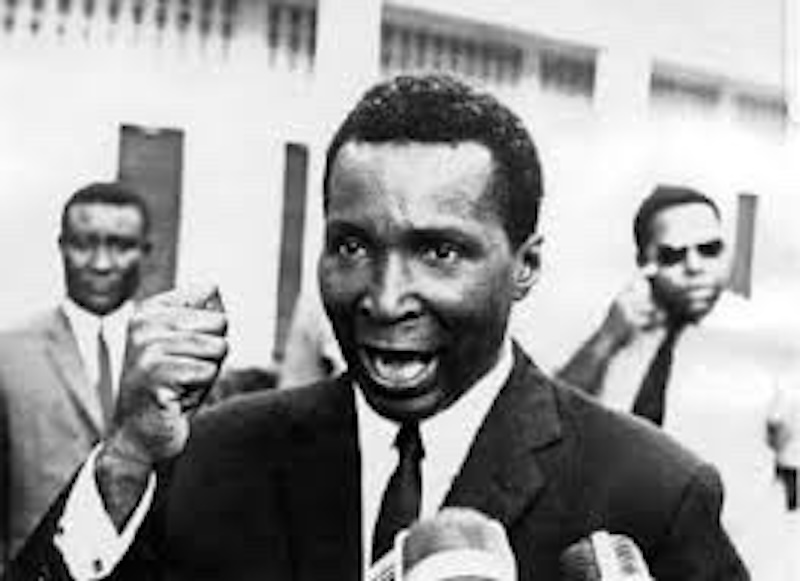
There was once a country where the national bank was relocated to a single bedroom, where wearing spectacles could lead to a death sentence, and where the word “intellectual” was physically erased from the national vocabulary.
In 1968, Equatorial Guinea gained independence from Spain, and its citizens elected Francisco Macías Nguema as their first president. What followed was an eleven-year descent into one of the most eccentric and brutal absolute rules in modern history. The dictator’s subsequent actions plunged the wealthy African nation into total darkness.
The Unique Miracle Takes Control
Shortly after taking office, Macías Nguema granted himself absolute power. He dismantled the constitution, outlawed all opposition political parties, and forced the entire adult population to join his United National Workers’ Party. He bestowed upon himself numerous grandiose titles, ultimately forcing the public to address him as the “Unique Miracle.”
State-controlled churches were required to repeat the slogan, “There is no other God than Macías Nguema,” during services. Priests who refused to comply with this direct order were arrested, and the country was eventually declared an entirely atheistic state by presidential decree.
A War on Education and Medicine
The president harbored a severe paranoia regarding educated individuals. He systematically targeted teachers, doctors, and civil servants. Possessing a university degree or simply wearing glasses became grounds for immediate imprisonment or execution.
In 1973, Macías Nguema ordered the closure of all private schools, and shortly after, he shut down the entire national education system. He also banned Western medicine, closing hospitals and replacing professional healthcare workers with local witch doctors. By the end of his rule, the nation’s literacy rate had plummeted, and preventable diseases ravaged the population.
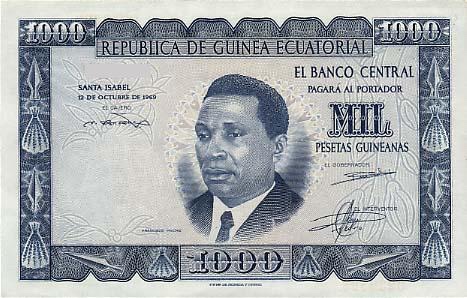
The Bedroom Bank of Equatorial Guinea
As the country’s economy collapsed, Macías Nguema took complete personal control of the national finances. He assassinated the governor of the central bank and physically moved the national treasury to his private rural village in Mongomo.
The president stored the nation’s foreign currency reserves in suitcases under his bed and in bamboo huts surrounding his compound. With no functioning banking system, the local currency became worthless, and the country reverted to a barter economy.
The Nephew’s Coup and the Final Act
By 1979, the situation became unsustainable even for the president’s inner circle. His own nephew, Teodoro Obiang Nguema Mbasogo, led a successful military coup to overthrow him. Macías Nguema fled into the jungle, taking large amounts of the national treasury with him, much of which he burned before his capture.
When brought to trial, local soldiers refused to execute him, fearing he possessed magical powers. Ultimately, Moroccan troops were flown in to carry out the firing squad sentence, ending the eleven-year rule that decimated a third of the country’s population.