
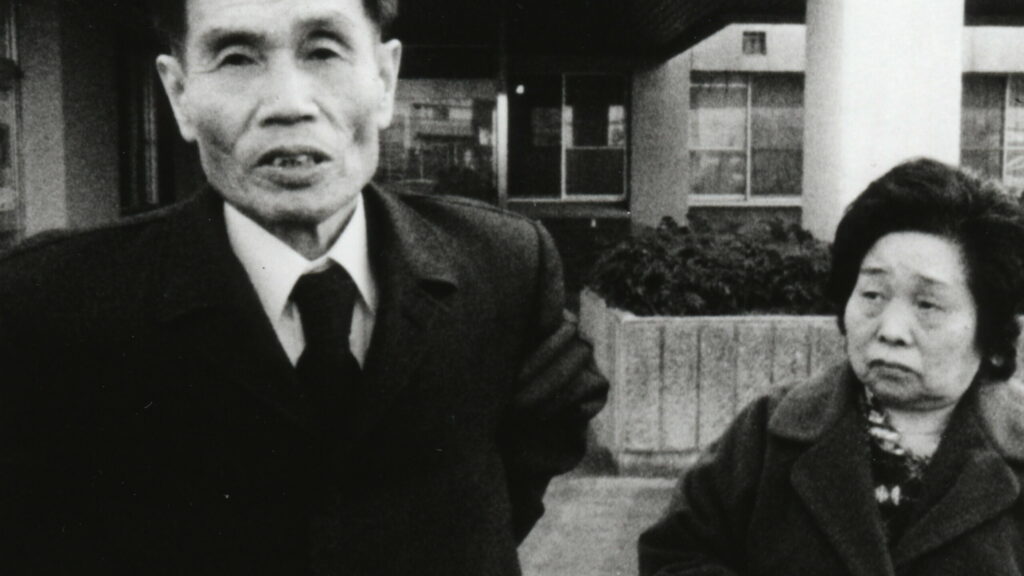
In 1969, a lone man stood outside the Tokyo Imperial Palace and fired metal pachinko pinballs from a slingshot directly at Emperor Shōwa. This unprecedented assault was just one extreme event in the life of Kenzō Okuzaki. From surviving a desperate jungle retreat in New Guinea to committing multiple murders and starring in a shocking documentary, Okuzaki’s biography is filled with unusual and violent acts. This is the completely true sequence of events that defined his existence.
A Desperate Fight for Survival in New Guinea
Okuzaki was drafted into the Imperial Japanese Army in 1941. By 1943, he was deployed to the Japanese-occupied Territory of New Guinea. His regiment was assigned to build an airfield but quickly suffered from malaria and intense Allied bombing. Ordered to retreat, the troops faced starvation and constant attacks. Okuzaki became physically and mentally isolated from his unit. Out of his entire 1,200-man regiment, he was one of only six soldiers to survive the grueling ordeal. He was eventually captured by Allied forces and spent the remainder of the war as a prisoner in Australia.
Murder and a Decade in Solitary Confinement
Returning to Japan after the war, Okuzaki opened a shop selling second-hand cars and batteries in Kobe. In 1956, a con man posed as a broker and stole Okuzaki’s investment money. Okuzaki tracked the man down and killed him. Refusing his lawyer’s advice to plead guilty and show remorse, Okuzaki received the maximum sentence of ten years. He spent the entire decade in solitary confinement. During his imprisonment, his political views shifted drastically, and he began openly calling for the abolition of the Japanese monarchy.
The Imperial Slingshot Assault
Upon his release, Okuzaki plotted an attack to draw attention to the Emperor’s wartime actions. On January 2, 1969, during the New Year’s public greeting at the Tokyo Imperial Palace, Okuzaki aimed a slingshot at Emperor Shōwa from 87 feet away. He fired three pachinko pinballs, missing his target completely. He shouted the name of a fallen comrade, fired a fourth pinball, and turned himself in to the police. He was convicted and sentenced to a year and a half in prison. In 1976, he was jailed again for dropping pornographic flyers depicting the Emperor from department store rooftops.
The Shocking Documentary and a Final Attack
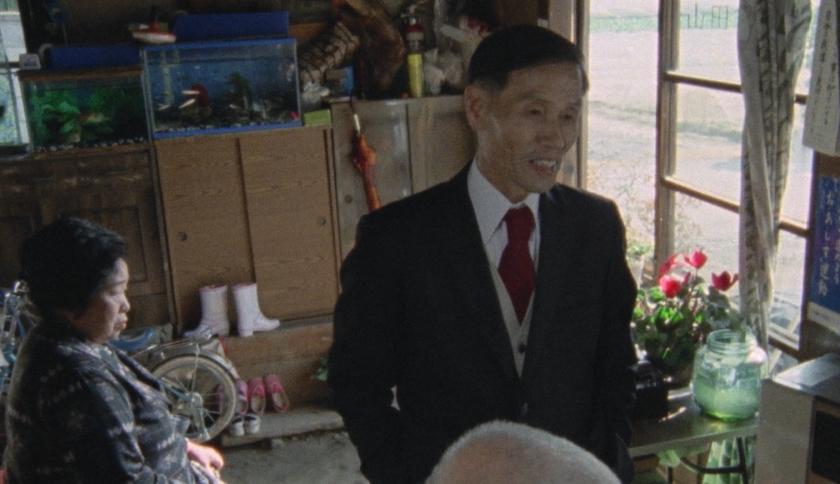
In the 1980s, Okuzaki starred in the documentary The Emperor’s Naked Army Marches On, investigating the wartime executions of two former comrades. Convinced a former colonel named Masao Muramoto ordered their deaths, Okuzaki tracked him down in 1983. He intended to murder the former officer on camera but ended up shooting and injuring the man’s son instead. Okuzaki fled, surrendered to police days later, and confessed he planned to kill four additional people. He served twelve years in prison before his release in 1997, dying of organ failure in 2005.