
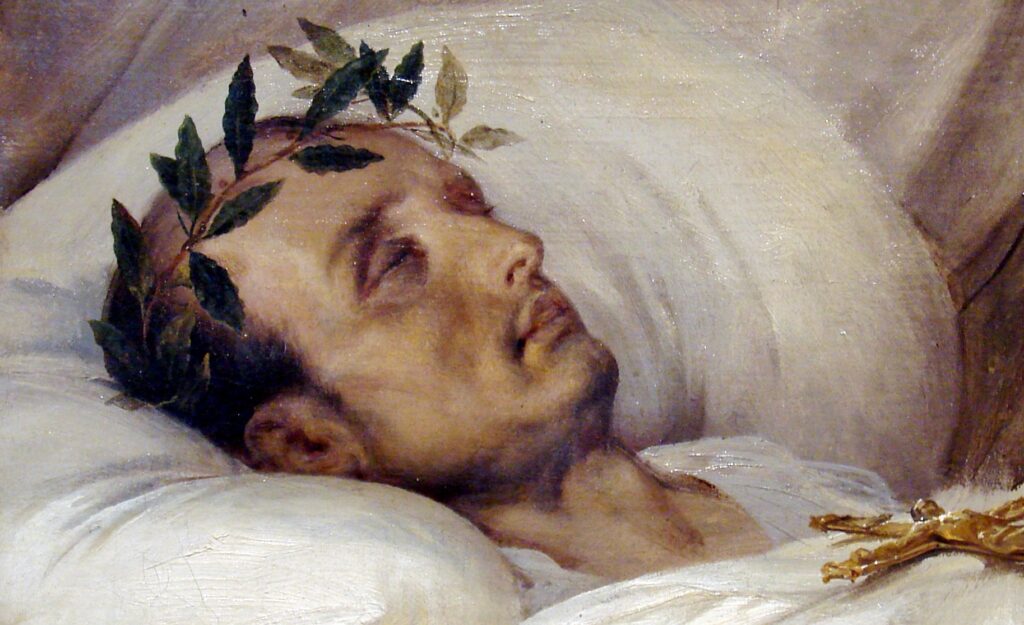
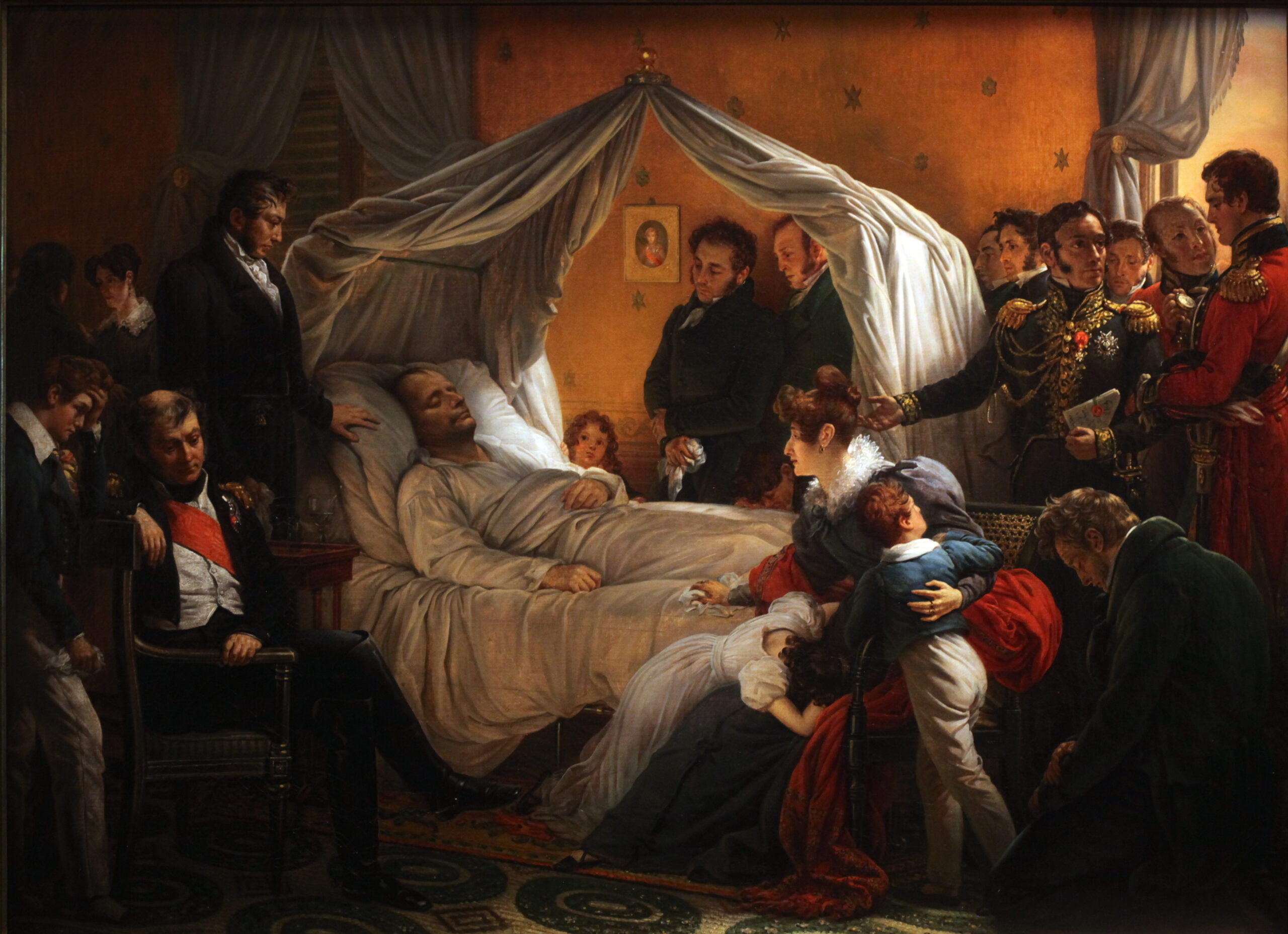
On May 5, 1821, the former French Emperor took his final breath while confined to a damp, isolated house on the remote island of St. Helena. For over a century, rumors circulated that his captors had intentionally poisoned him. His sudden physical decline sparked intense medical debates, prompting scientists to eventually analyze his preserved hair using modern chemical techniques.
The final scientific conclusions ended a massive historical controversy regarding his actual cause of death, revealing the exact biological mechanisms that brought down one of history’s most famous military commanders.
Exile on a Remote Atlantic Island
After his military defeat in 1815, the British government exiled him to St. Helena, an incredibly small island measuring just 122 square kilometers (47 square miles). It sits roughly 1,950 kilometers (1,212 miles) from the southwestern coast of Africa. He lived in Longwood House, a severely damp and poorly ventilated estate.
By the year 1817, he began experiencing chronic abdominal pain, severe night sweats, and a continuous loss of appetite. He lost a significant amount of weight, dropping more than 10 kilograms (22.0 pounds) in his final months. He passed away at the age of 51. The original autopsy, performed by physician François Carlo Antommarchi, officially recorded the cause of death as an ulcerated stomach cancer.
The Rise of the Arsenic Theory
Decades after his passing, a radically different theory emerged suggesting a deliberate political assassination. In the year 1961, a Swedish toxicologist named Sten Forshufvud analyzed surviving locks of the commander’s hair. His chemical tests revealed abnormally elevated levels of arsenic. Arsenic was a highly common, mostly untraceable poison during the 19th century.
This scientific discovery led to widespread claims that British officials or rival French factions had deliberately fed him lethal doses over several years. They theorized this was done to ensure he would never escape the island and return to power on the European continent.
Modern Medical Science Closes the Case
In the early 2000s, an international team of gastroenterologists and medical pathologists conducted a comprehensive review of his autopsy reports and historical arsenic findings. They discovered that people in the 1800s were regularly exposed to high levels of arsenic through hair products, cosmetics, and the specific copper arsenite dye, known as Scheele’s Green, used in the wallpaper at Longwood House.
The researchers compared the 1821 autopsy notes, which described a massive gastric ulcer measuring 10 centimeters (3.9 inches) in length, with modern medical images of gastric cancer. They concluded the original 19th-century autopsy was entirely accurate. A massive, advanced tumor located in his stomach had ruptured, causing fatal internal bleeding and his ultimate death.