
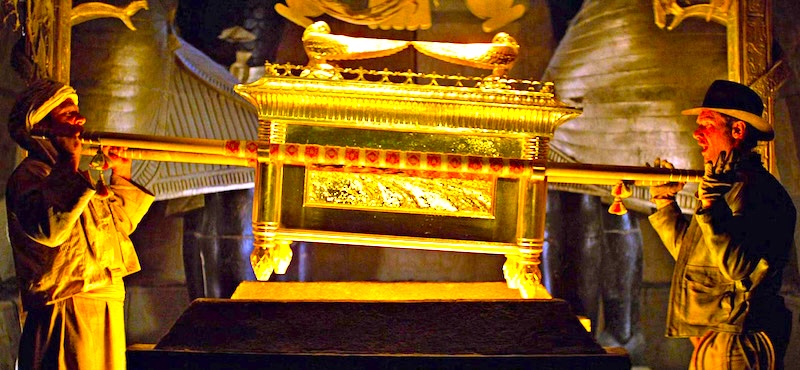
What if an ancient, gold-plated wooden chest possessed the miraculous power to stop rivers, destroy city walls, and defeat armies? For thousands of years, the Ark of the Covenant has captivated historians and religious scholars.
Described in ancient texts as the container for the original stone tablets bearing the Ten Commandments, this gilded box vanished from historical records after 586 B.C.E. Its sudden disappearance launched a global hunt that continues today.
Divine Blueprints and Construction
According to the Book of Exodus, the Israelites built the Ark approximately 3,000 years ago using divine instructions. Moses commanded the people to construct the chest out of acacia wood. The measurements were precise: two and a half cubits (1.14 meters or 45 inches) long, one and a half cubits (0.69 meters or 27 inches) wide, and one and a half cubits (0.69 meters or 27 inches) high.
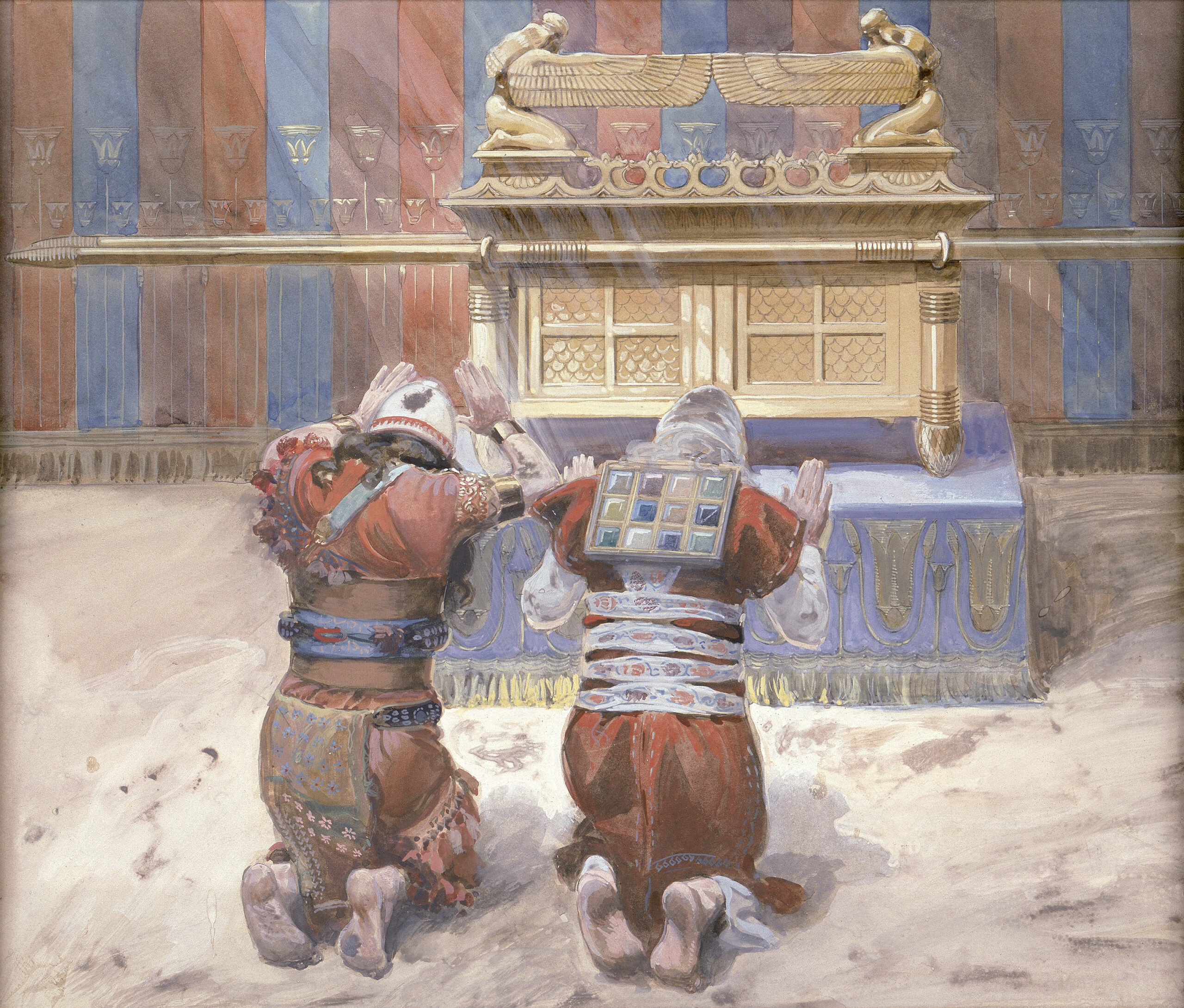
Builders overlaid the entire chest with pure gold and attached four gold rings to its feet. They used wooden poles covered in gold to carry the object. The chest housed the Ten Commandments and Aaron’s rod. The rod reportedly had otherworldly abilities like turning water into blood and summoning frogs.
Miracles at the Jordan River and Jericho
Ancient texts describe the Ark as having incredible abilities. During the Exodus out of Egypt, the chest reportedly cleared dangerous animals from the path of the Israelites. When priests carried the golden box to the edge of the Jordan River during flood season, the water immediately stopped flowing.
This allowed the nation to cross the dry riverbed. Later, the Israelites carried the relic around the city of Jericho for seven consecutive days. After a week of circling the perimeter, the massive walls of Jericho completely collapsed. When the Philistines stole the chest, they suffered from terrible diseases until they returned the object.
The Babylonian Invasion and Vanishing Trail
Scholars trace the journey of the Ark to the Temple of Solomon in Jerusalem, established around 957 B.C.E. The golden box remained there until the Babylonians destroyed the city in 586 B.C.E. From that moment forward, the relic disappeared from official documentation.
The conquering Babylonians did not list the chest among their documented spoils of war. Some ancient texts, including the Books of the Maccabees and the Quran, suggest that the prophet Jeremiah hid the object in a remote cave on Mount Nebo.
Modern Theories and the Ethiopian Connection
Another theory claims the relic eventually traveled to present-day Ethiopia. Many believe the original chest sits securely inside the Church of Our Lady Mary of Zion in the city of Axum. Only a single appointed guardian is permitted to look at it. However, a scholar who viewed this Ethiopian chest during World War II stated it was not the original. To this day, the true location of the golden box remains an unsolved historical mystery.